
Selsil PAK
Three Cleaning Options for Different Household Tasks
Selsil PAK offers three products for surfaces and textile stains. The foam cleaner dissolves grease and dirt, the cream cleans suitable hard surfaces by rubbing, and the stain-remover spray targets particular fabric stains. Sharing a range does not mean sharing compatible surfaces.
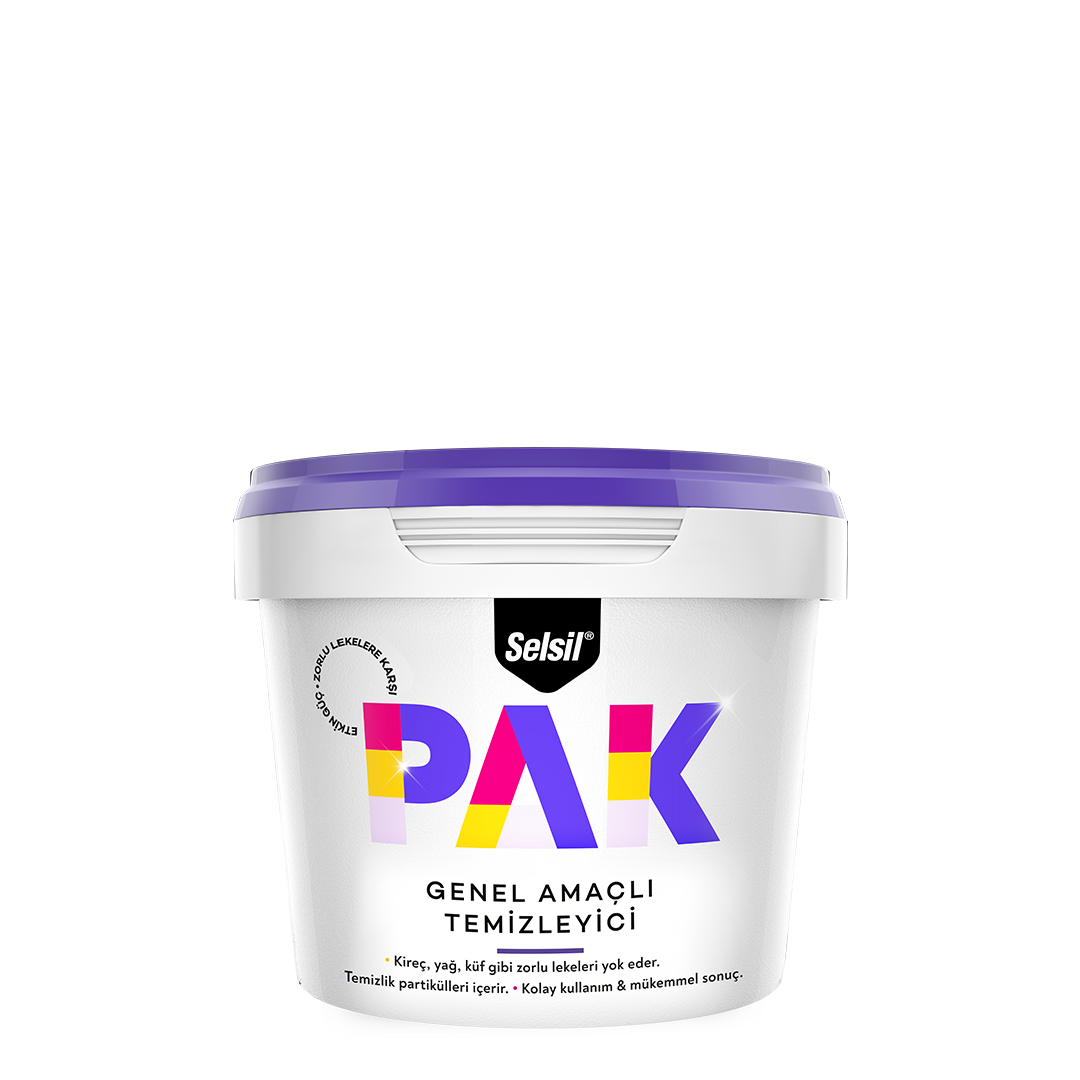
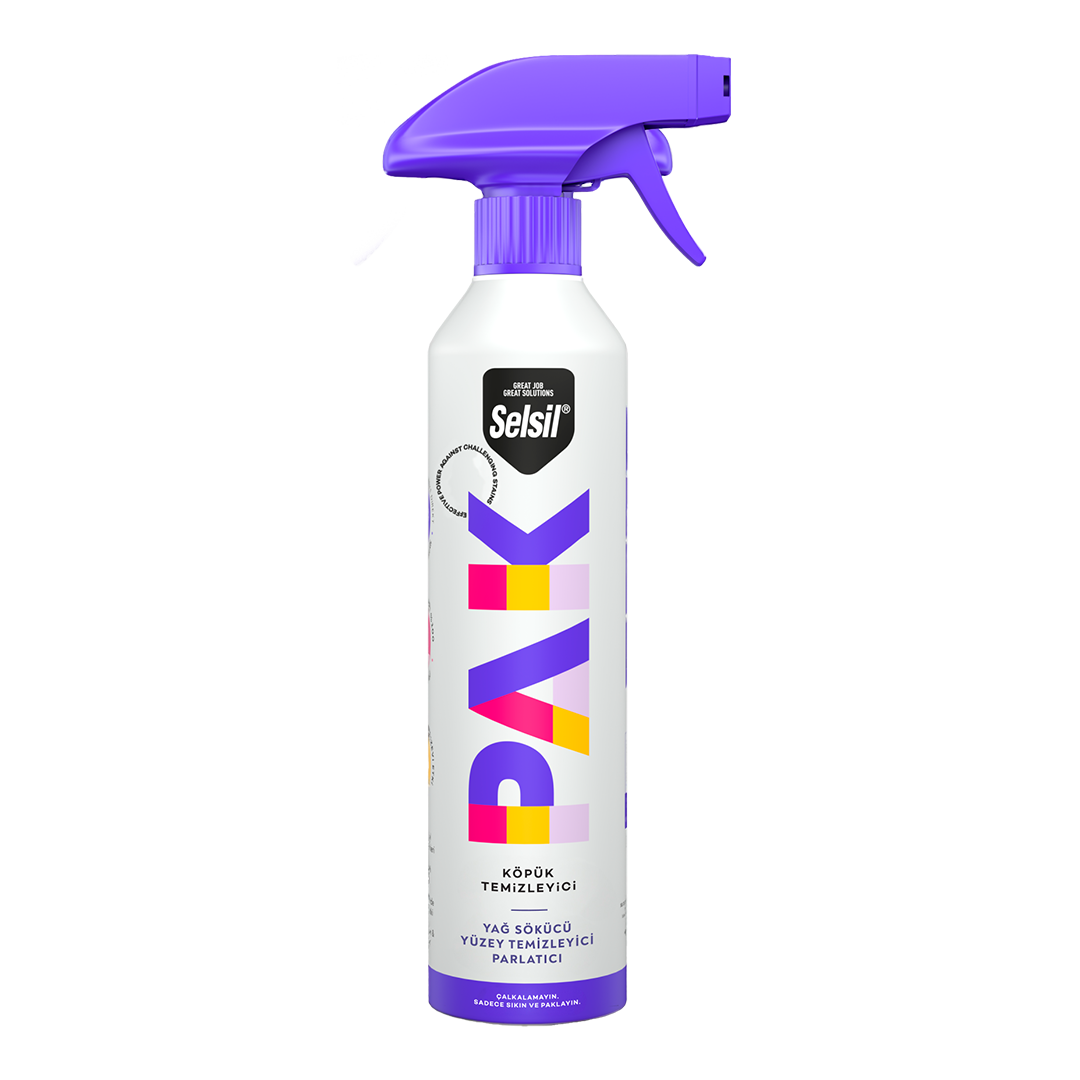
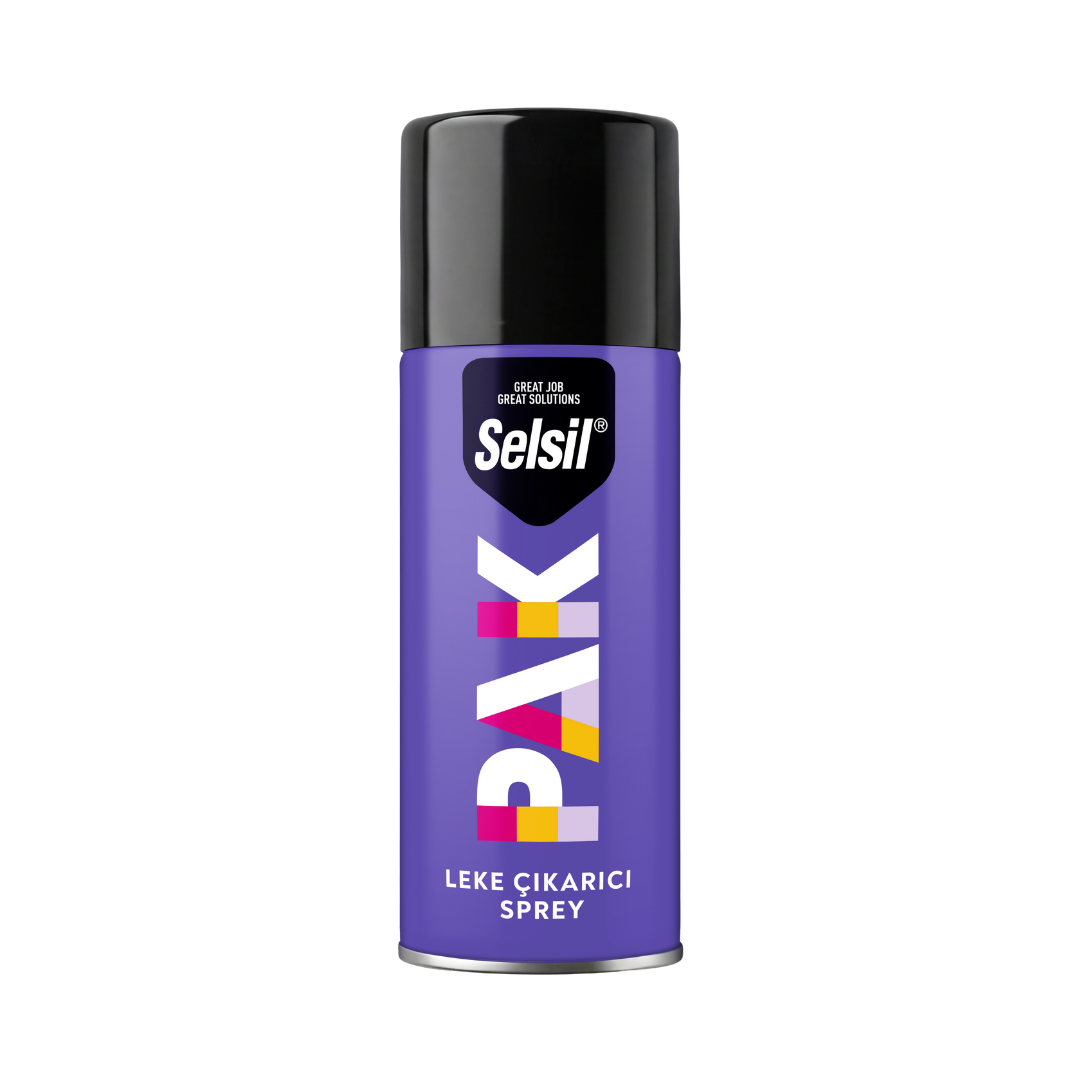
Explore Foam Cleaner Spray for kitchen and bathroom surfaces, General Purpose Cleaning Cream for washbasins, hobs, ovens and ceramic, and Stain Remover Spray for suitable textiles. Identify the dirt and material before comparing. The guide below explains methods and substrate restrictions; foam, cream and textile spray require different finishing steps.
Where and How to Use Selsil PAK Products
The PAK range uses different cleaning methods. Spray the foam cleaner and wipe it off; apply the cream, rub and rinse; leave the textile stain remover to work, then remove it with a dry brush. These differences affect selection. Establish the location, contamination and material together to compare the three products clearly.
Foam Cleaner for Greasy Surfaces
Selsil PAK Foam Cleaner Spray targets grease and dirt on hobs, ovens, extractors, cooker hoods, filters, worktops and kitchen cupboards. Its foam also acts on grease on vertical surfaces. For general cleaning, spray the dirty area, wait briefly and wipe with a sponge or cloth. Repeat for heavy grease. Cooker-hood filters have a separate method using water: soak the filter in 40–50 °C water containing the product, then spray and wipe, rinse and dry before use. Suitable substrates include marble, tiles, ceramic, stainless steel, aluminium, PVC, plastic and glass. The product contains no parabens, dyes or bleach. Test an inconspicuous area before application.
Rubbing and Rinsing with Cleaning Cream
Selsil PAK General Purpose Cleaning Cream can be used on washbasins, hob surfaces, baking trays, grills, barbecues and ovens, as well as bathrooms, tiles, ceramic and outdoor furniture. Apply some product to the dirty area, rub with a clean cloth and rinse with water. Plastic parts, painted wood, aluminium and varnished surfaces are unsuitable. A substrate accepted for the foam cleaner must therefore not automatically be accepted for the cream. Do not apply the cream directly to hot surfaces or use it to clean hands, faces or food.
Oil and Make-Up Stains on Fabrics
Selsil PAK Stain Remover Spray targets specific stains on suitable textiles, including situations where water washing is unavailable. It is effective on oil, grease, make-up residue and oily sauce stains. Its applications include cotton, linen, polyester, nylon and acrylic fabrics. It must not be used on acetate, triacetate, viscose, cupro, leather, suede, rubber- or plastic-coated fabrics, or fabrics with delicate dyes. Checking the material is particularly relevant for vehicle upholstery, workwear and blended fabrics.
Waiting and Removing Textile Stains
Test an inconspicuous area first. Place an absorbent cloth beneath the stain, spray from 10–15 cm, wait 5–10 minutes and clean with a dry brush. This differs from wiping foam or rinsing cream. The stain remover is ineffective on rust, limescale, mould, scorch marks and bleach stains. Treating those marks as oily stains creates the wrong expectation. Check the targeted contamination together with fabric compatibility.
When moving from kitchen to bathroom or from fabric to metal, use more than the PAK name on the packaging. Read the exact product name, suitable substrates and finishing step together. The component's coating and the result of the inconspicuous-area test also inform selection. This preserves the different roles of the three products and matches the method to the surface being cleaned.