Blog

Explore our articles on choosing products, application and maintenance.

All Articles

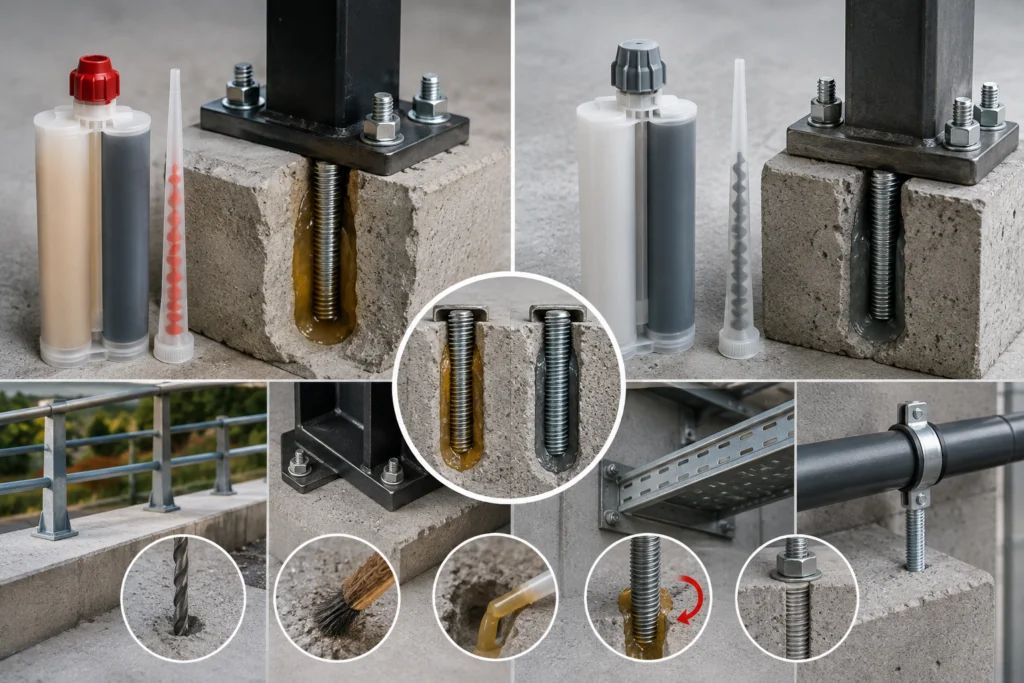
Chemical anchor cartridges and sectional illustrations comparing anchoring applications

Epoxy vs Polyester Chemical Anchors: What Is the Difference?

Epoxy and polyester chemical anchors are two-component systems used to secure studs or reinforcing bars in concrete and stone. The main difference lies in resin chemistry. Epoxy acrylate products may be preferred for high loads and demanding conditions, while polyester options offer a practical solution for general fixing work. The substrate, load type, temperature, moisture, hole dimensions and manufacturer’s technical approvals must all guide the choice.

Read article
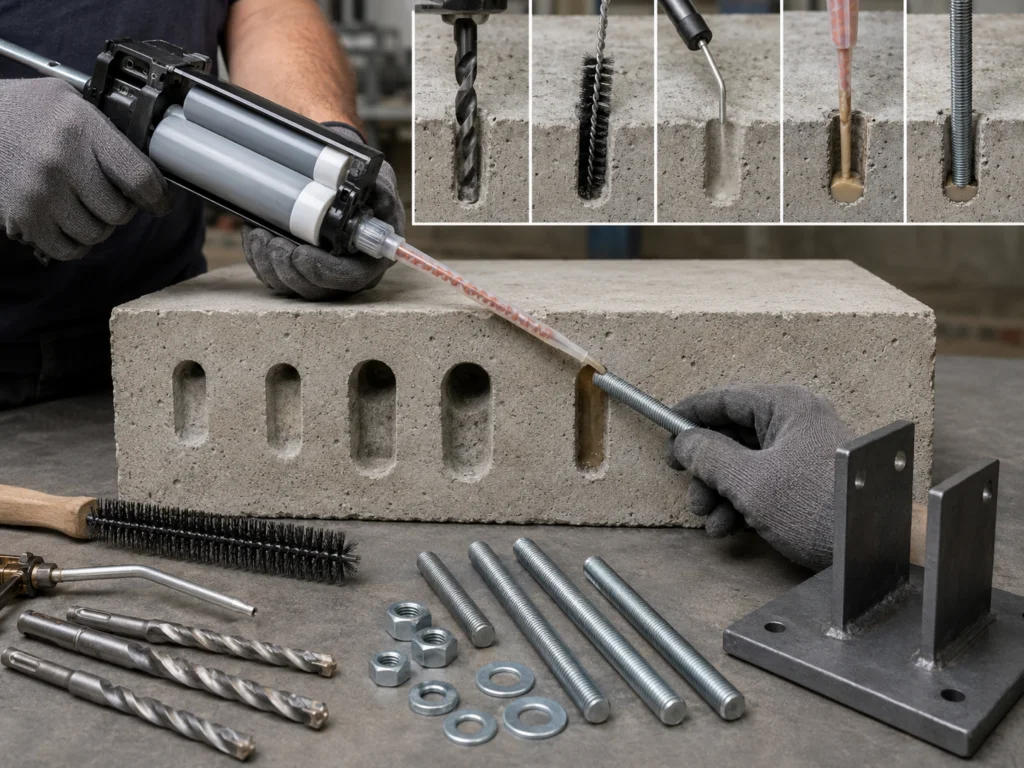
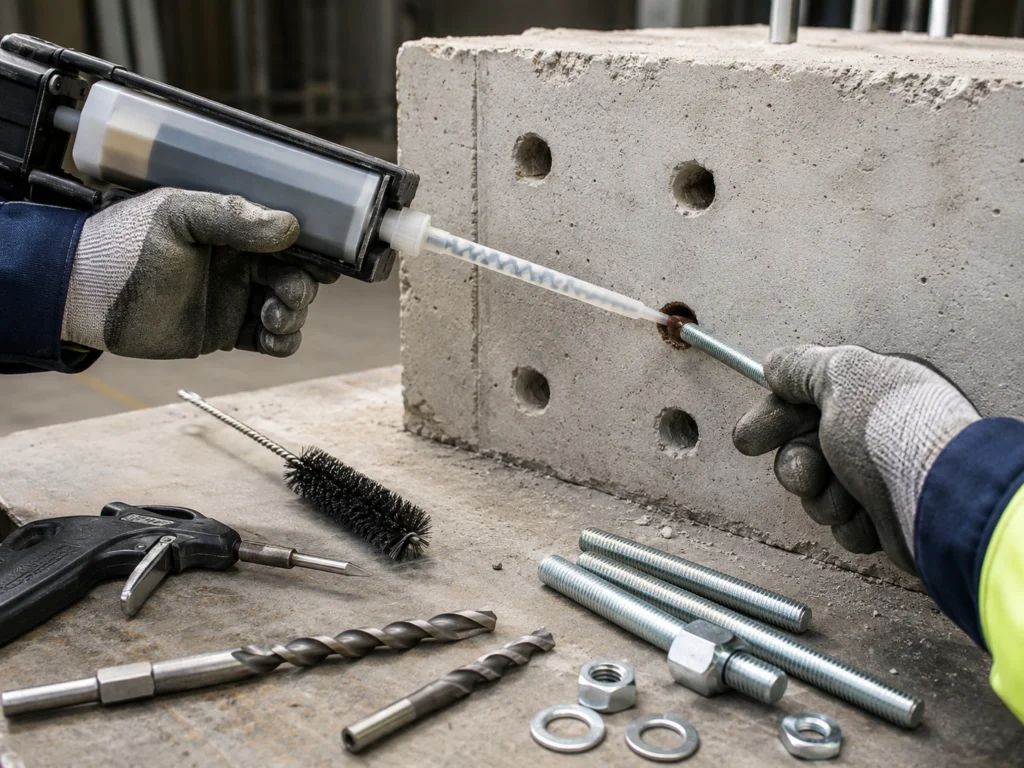
Chemical anchoring application, studs and metal fixing examples

Chemical Anchor Capacity: Hole Size, Depth and Cure Time

Chemical anchor capacity cannot be expressed as a single weight in kilograms. It depends on anchor diameter, hole depth, concrete class, resin, edge distance, stud quality and curing conditions. Selsil data specifies minimum pull-out loads of 7 kN for 8 mm reinforcement, 11 kN for 10 mm and 16 kN for 12 mm. These are not directly safe working loads. Project loads need engineering calculations and appropriate safety factors.

Read article
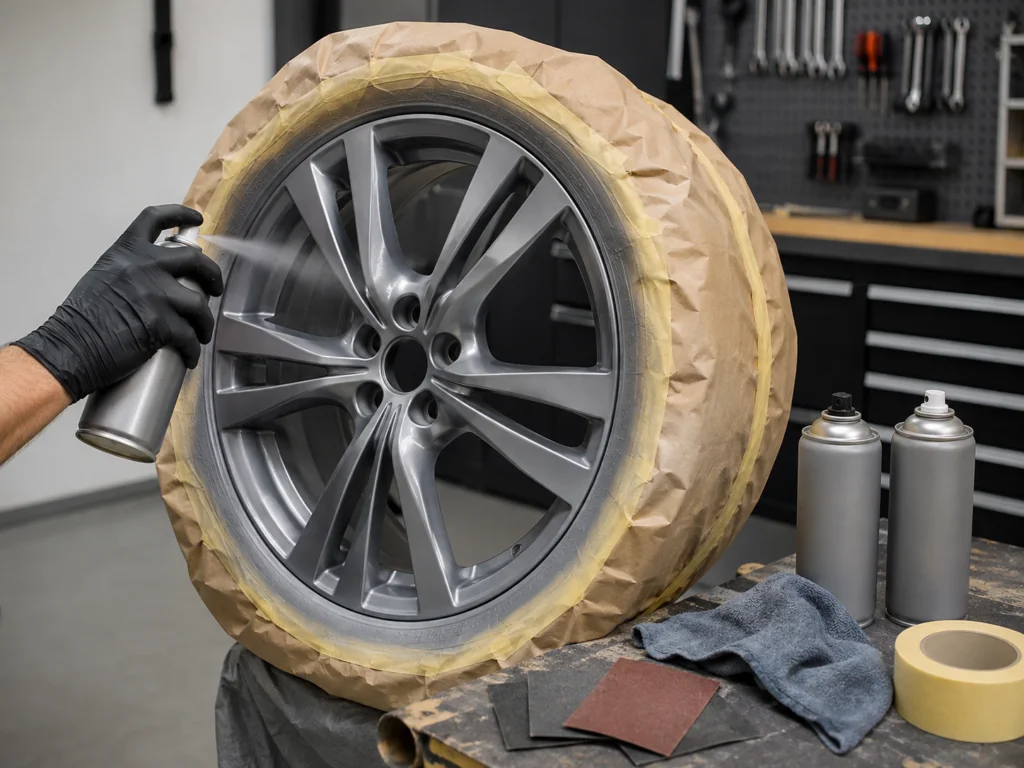
Can You Paint Wheels with Spray Paint? — cover image

Can You Paint Wheels with Spray Paint?

Wheels can be spray-painted, and proper preparation can give a smooth, durable finish. For lasting results, remove dirt, brake dust, grease, rust and loose old paint, dull the surface and choose a primer suited to the wheel material. Apply thin coats with enough time between them. Alloy and steel wheels may require different preparation. Protecting brake discs, bolt seats and tyres is as important for safety as preparing the painted area.

Read article
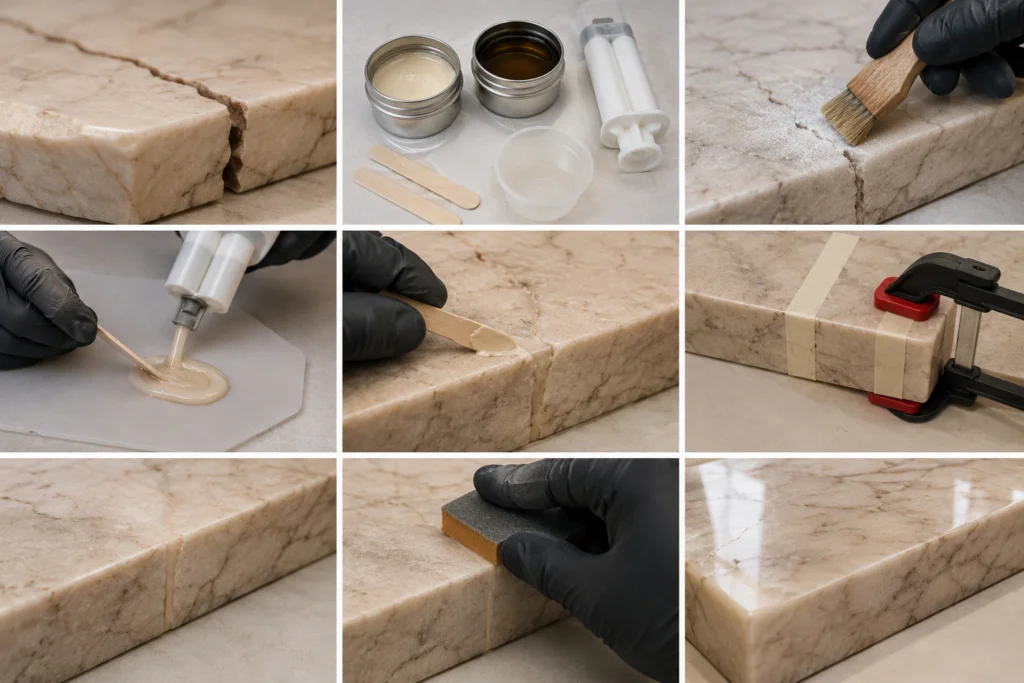
How to Repair Broken Marble — cover image

How to Repair Broken Marble

Broken marble can be repaired with a suitable resin when all the pieces are present and the damage has not reached a load-bearing area. Marble adhesive suits small pieces, fluid epoxy suits fine cracks, and colour-matched filler suits missing edges. The surface must be clean, dry and free of grease. For load-bearing areas such as heavy worktops, stair treads or facade stone, consulting a stone specialist is safer than attempting a repair at home.

Read article
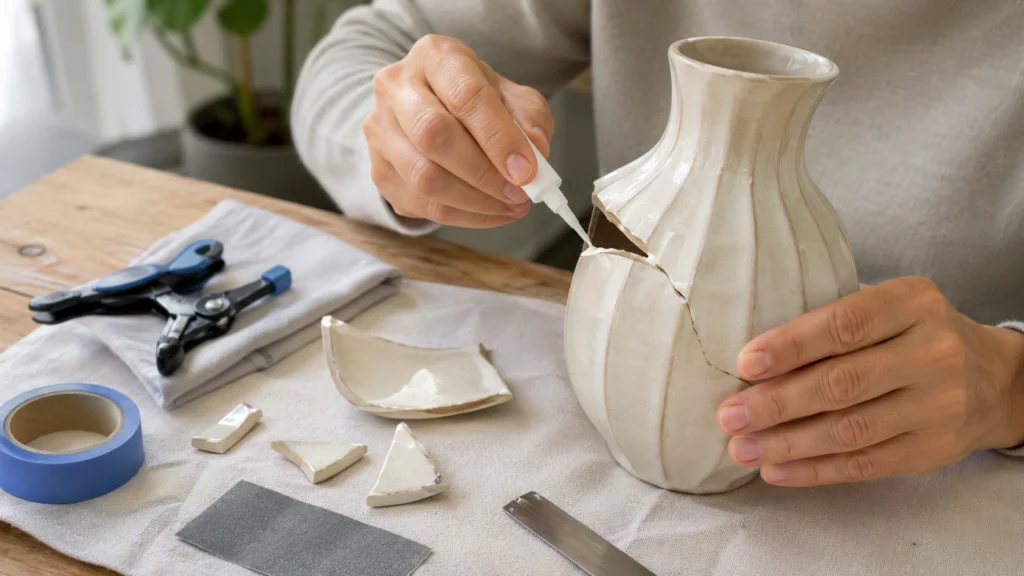
How to Bond Broken Ceramics — cover image

How to Bond Broken Ceramics

Broken ceramics can be repaired at home if all pieces are present and the joining edges have not crumbled. Ceramic adhesive suits small breaks that fit neatly. Two-component products provide a more reliable bond where there are large gaps, missing pieces or water contact. A sound appearance depends on surface cleanliness, alignment and waiting for full cure as well as the adhesive type. Rushing can let edges slip and make the joint more visible.

Read article
Which Adhesive Should You Use to Bond Metal? — cover image

Which Adhesive Should You Use to Bond Metal?

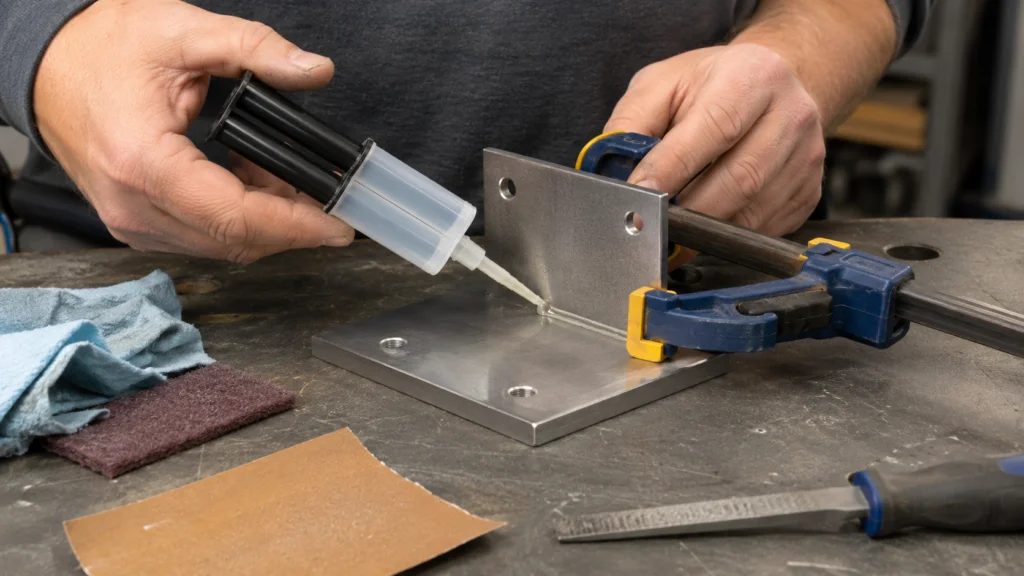
Metal can be bonded with epoxy, cyanoacrylate, polyurethane, hybrid polymer or anaerobic products, depending on the part and the load it will carry. Two-component epoxy is a more reliable choice for large, rigid joints. Cyanoacrylate suits quick repairs to small pieces. Connections exposed to vibration, impact and temperature changes are better suited to flexible polyurethane or hybrid formulations. Before choosing by product name, consider the bonding area, load direction, outdoor conditions and cure time. Structural or safety-critical parts may require welding or mechanical fastening.

Read article
Can You Use Silicone between Tiles? — cover image

Can You Use Silicone between Tiles?

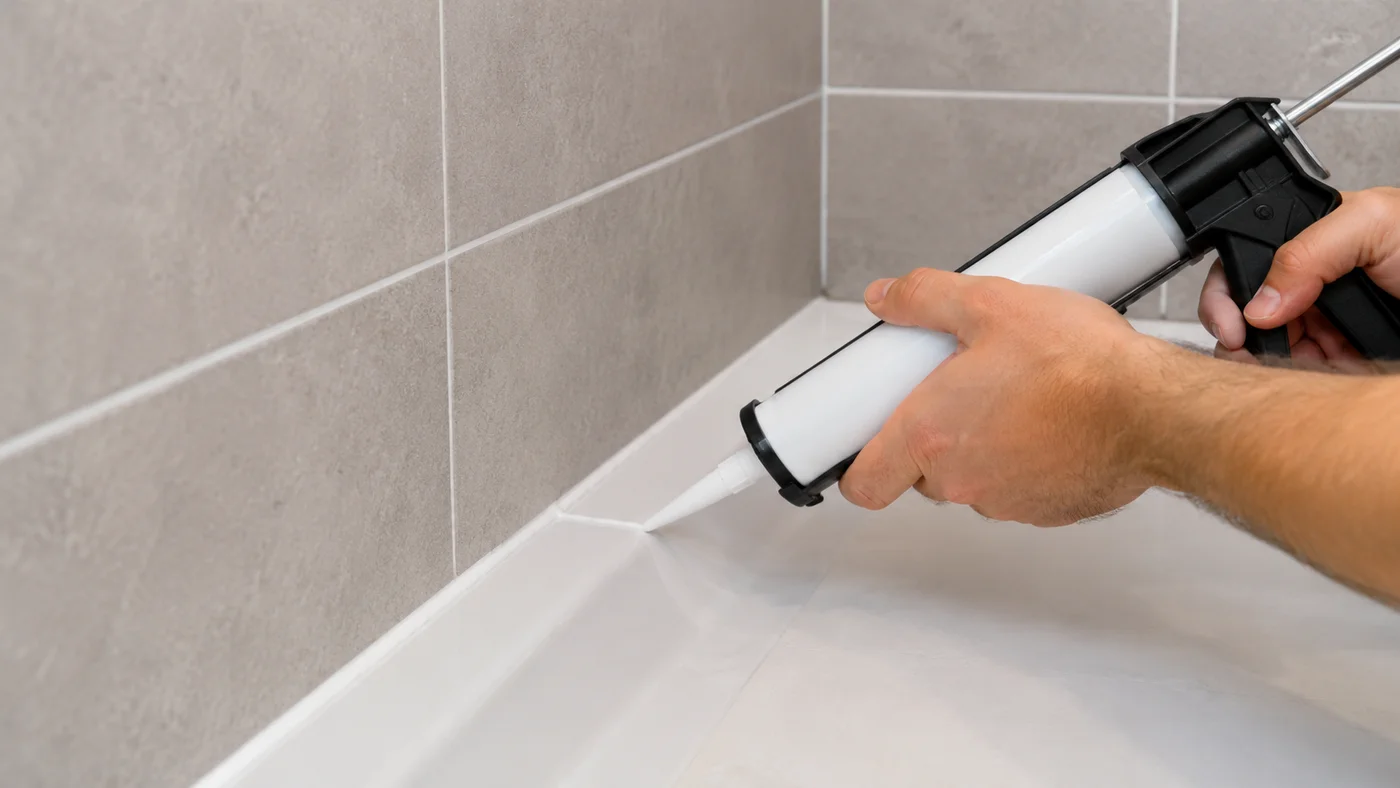
Silicone can be applied between tiles, but it is not the right choice for every joint. Regular gaps on flat, stable surfaces are usually filled with cement-based or epoxy grout. Silicone is used at wall corners, floor-to-wall junctions, bath edges, shower trays and connections where movement is expected. It suits areas needing flexibility. Filling every joint with silicone can cause dirt build-up, an uneven appearance and early detachment.

Read article
Can You Paint Over Sealant? — cover image

Can You Paint Over Sealant?

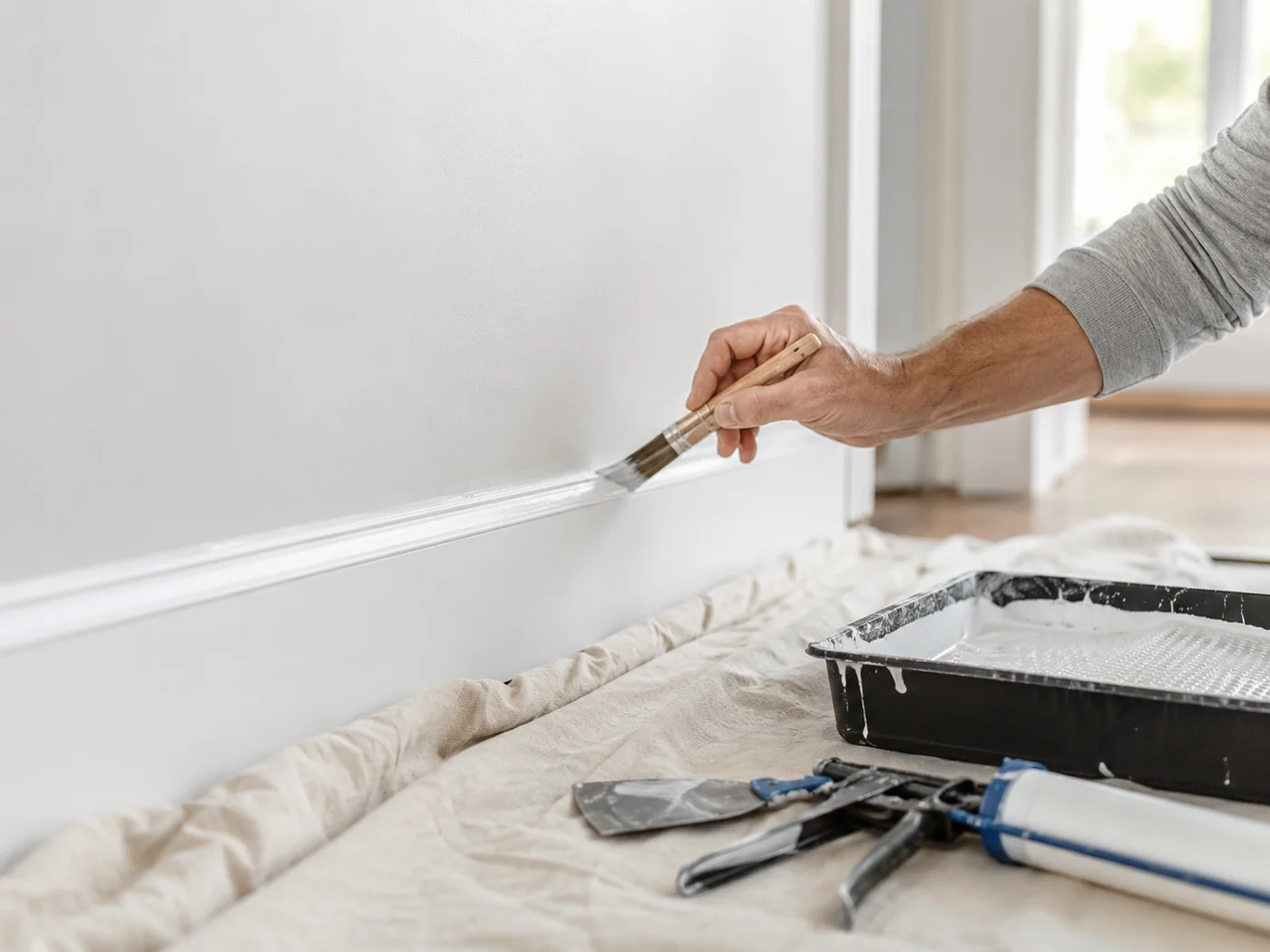
Whether sealant can be painted is a common question when repairing wall joints, door edges, window surrounds, gaps at skirting boards and cracks. The answer depends on the product. Areas that will be painted generally need a paintable sealant. Painting before it has dried fully can cause cracking, blistering or an uneven finish. The right sealant blends more naturally into the wall and makes repairs less visible. The aim before painting is to make the filled line merge with the surrounding surface. With the wrong sealant, paint may fail to adhere or separate after drying.

Read article