
Can You Paint Over Sealant?
Whether sealant can be painted is a common question when repairing wall joints, door edges, window surrounds, gaps at skirting boards and cracks. The answer depends on the product. Areas that will be painted generally need a paintable sealant. Painting before it has dried fully can cause cracking, blistering or an uneven finish. The right sealant blends more naturally into the wall and makes repairs less visible. The aim before painting is to make the filled line merge with the surrounding surface. With the wrong sealant, paint may fail to adhere or separate after drying.
Which Sealants Can Be Painted?
Acrylic sealants are the most suitable choice for surfaces that will be painted. Used on walls, plaster, concrete, wood edges and skirting board joints, they can accept paint once dry. They are a practical way to close small indoor cracks, fill gaps and create a smooth transition before painting. Look for “paintable” on the label when choosing a product. Sealants do not all have the same composition: some use different chemicals to provide elasticity and do not work well with paint. Consider the manufacturer’s instructions, the application and the waiting time.
Does Paint Adhere to Silicone Sealant?
Silicone-based products are used in areas that need resistance to water and moisture. They provide strong sealing in bathrooms, shower enclosures, around sinks, kitchen worktops and glass edges. They are usually unsuitable for painting, however. Paint may slide across the surface, bead before drying or soon peel away. If this type of product was used by mistake in an area that needs painting, coating it is rarely a lasting solution. A better approach is to remove the old material carefully, clean the surface and apply a paintable sealant.
How Long Should Sealant Dry Before Painting?
Drying time depends on the product, the thickness of the filling, ambient temperature and humidity. Thin applications form a skin sooner; thicker filling takes longer to dry inside. Even when the surface looks dry, the interior may still be wet. Rushing to paint produces poor results. Painting before the product has settled properly can leave marks, cracks or colour differences. Follow the waiting time on the label. With wide gaps, waiting a day often feels more reassuring. Cold, damp conditions can extend the time. When touched lightly, the surface should no longer feel sticky, and the bead should not look soft.
How Do You Prepare the Surface?
A successful paint finish depends on more than the sealant. Dust, grease, flaking paint or loose material prevents proper adhesion. Clean and dry the area before application. For deep gaps, use suitable backing where necessary rather than applying an excessively large amount of sealant. After dispensing, smooth the surface with a finger, spatula or suitable tooling accessory. Removing excess before it dries gives a neater appearance. Once dry, rough areas can be smoothed with light sanding. Do not leave residue on the surface before painting.
Which Paint Should You Use Over Sealant?
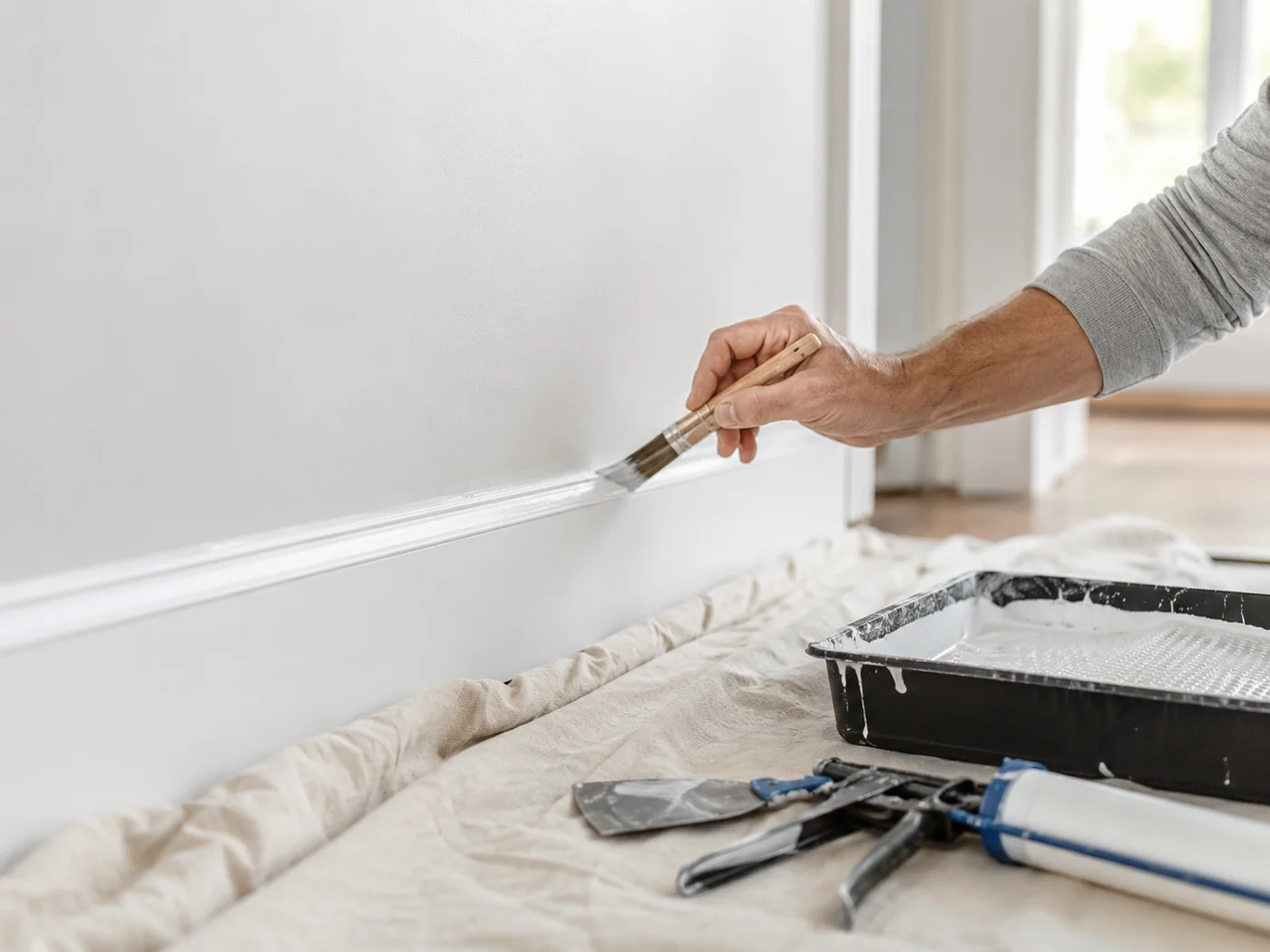
Water-based wall paints are widely used indoors. Interior paint can generally be applied over paintable sealant. At wood edges or along skirting boards, choose paint suited to the surface. Apply a thin first coat to assess adhesion more easily, then a second coat if needed for an even colour. After applying acrylic sealant, let the surface dry fully. Avoid pressing too hard with the roller or brush. A brush provides better control along a thin joint. Gloss paint can make imperfections more visible, while matt and silk finishes conceal small marks more easily.
Why Does Paint Crack or Peel Afterwards?
Cracking usually results from painting too soon, thick filling, a moving surface or the wrong product. Sealant flexes over time in moving areas such as door frames, window edges and skirting boards. If the paint cannot accommodate that flexibility, fine cracks can appear. Peeling is usually caused by an unpaintable material, dirt or application in damp conditions. Old residue can make the paint lift away as a film. For lasting results, use the right product on a dry surface, allow enough waiting time and apply thin coats of paint. With the right sealant composition, painting is a practical way to hide repair marks and create a tidier finish.