
Effective Ways to Clean a Vehicle Engine
Keeping a vehicle clean and well maintained involves more than its exterior. Engine cleaning is important for component life and vehicle performance. Removing dirt can also improve safety and efficiency, making it essential to find and follow an effective method. Many methods are available, but engine cleaning is delicate work, so the right approach matters. Specialist products such as engine-cleaning spray remove dirt and grease easily while protecting components, improving performance and helping the vehicle last longer.
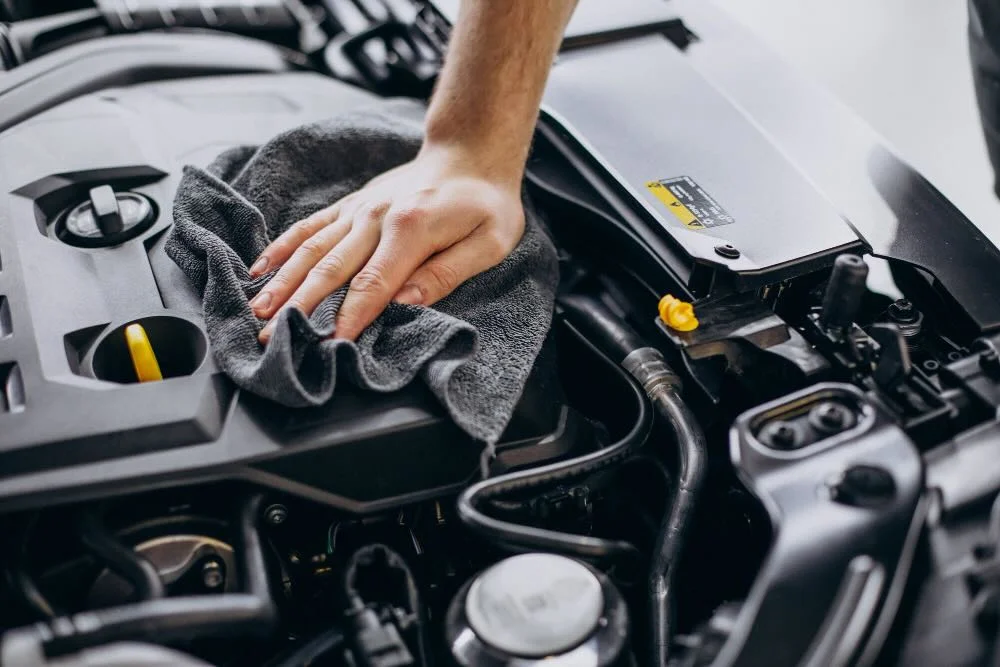
Engine Cleaning
Cleaning a car engine is an important maintenance task that affects performance. Using engine degreasers and other specialist chemicals involves several stages. First, let the engine cool and do not begin until electronic components have been protected. Then clean wet areas with engine degreaser, taking care because leaving them undried can be risky. Preparation is important and must be carried out carefully. Incorrect cleaning can damage the engine and electronics, so use suitable equipment and chemicals. Wait for the engine to cool and protect electronic components before starting. These steps allow owners to clean safely and preserve performance over the long term.
Protect Electronic Components
Protect sensitive electronics, the battery and connections according to the vehicle manufacturer’s instructions during engine cleaning. Direct liquid contact can cause serious faults. Do not apply arbitrary liquids for protection; use only the method in the vehicle and product instructions.
Use Engine Cleaners to Remove Dirt
Engine cleaners remove oil and dirt from suitable exterior surfaces. Selsil Engine Cleaner Spray is developed for components that should not be cleaned with water. Do not assume it removes deposits inside the engine or reduces fuel consumption. Read the instructions and apply only to suitable areas.
Dry Wet Areas
Drying is particularly important after engine cleaning. Pooled water can pose a serious risk inside the vehicle and around electronics. Always remove it after cleaning. Drying with a cloth prevents electronic damage and helps the vehicle last longer. Standing water can also cause rust and unpleasant smells. Drying is therefore an important maintenance step, serving not just cleanliness but performance and longevity. Always dry pooled water after cleaning the engine.
Precautions When Cleaning an Engine
Take care to avoid damaging electronic components. Engine-cleaning spray makes cleaning easy, but do not use a brush, which can damage sensitive electronics. Avoid stiff brushes entirely. Use softer, gentle microfibre cloths instead to help protect them. Never clean an engine while it is running or hot, as this can damage electronics. Finally, make sure the engine bay is thoroughly clean and dry. These precautions reduce the chance of damage during cleaning.