
Facade Silicone: The Hidden Hero of Modern Buildings
Striking design details and strong structural solutions shape today’s city skylines. Behind these modern buildings is an often unnoticed hero: facade silicone. This specialist silicone-based material affects not only appearance but also critical aspects of building performance, including durability, waterproofing and energy efficiency.
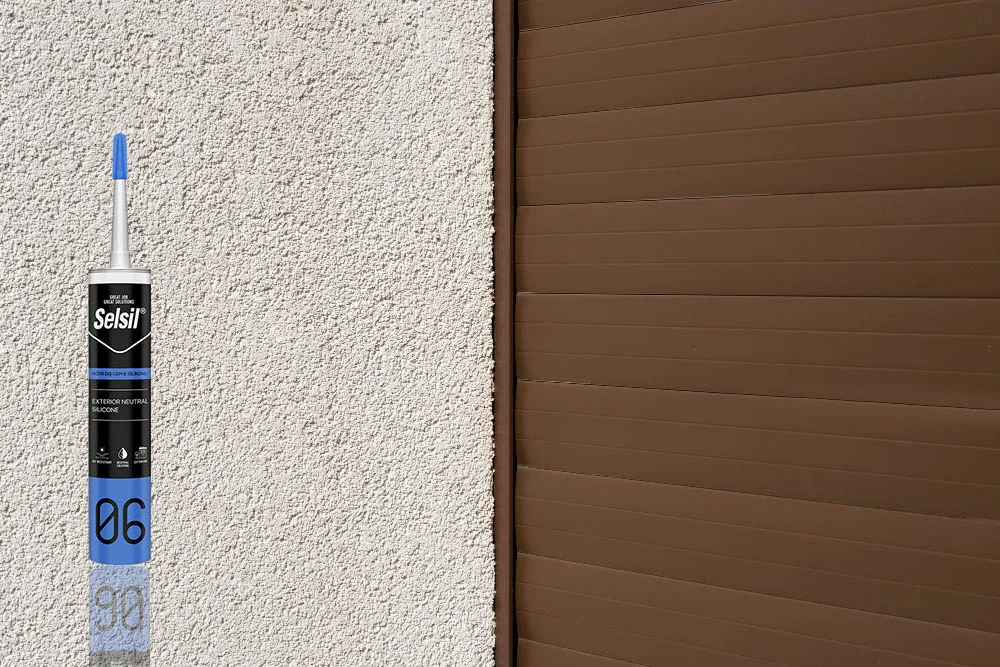
Why Use Facade Silicone?
A building needs to withstand external conditions. Rain, snow, moisture and UV rays can damage it over time. Facade silicone protects the building by providing waterproofing. Its strong seal between surfaces protects interiors from water damage and extends the building’s life. It also minimises energy loss and helps maintain thermal balance.
What Makes a Quality Facade Silicone?
Choosing the right silicone is critical to long-term performance. An ideal facade silicone needs several properties. First, it must withstand outdoor conditions, resisting UV rays, rain and temperature changes to prevent deterioration and discolouration. Flexibility is also essential: the silicone needs to accommodate facade movement, expansion and contraction. It must be waterproof to keep water out, prevent damage and extend the building’s life. Good adhesion makes application easier. Finally, quality silicone should have antimicrobial properties to prevent mould and fungal growth, keeping facades clean and sound for longer.
100% silicone content: choose undiluted products based entirely on silicone.
Solvent-free formulation: solvent-free facade silicones are more environmentally friendly and longer-lasting.
Neutral cure: does not cause corrosion on sensitive surfaces such as metal.
Transparency and appearance: provides an invisible seal where applied.
UV and ozone resistance: offers maximum resistance to sunlight and environmental factors.
How Do You Apply Facade Silicone?
Correct application is essential for full performance. Before starting, make sure the surface is clean and dry. Remove dirt, grease and old material first, then prepare the bonding surface properly. A spatula or similar tool can distribute the silicone evenly. Observe the stated waiting time so that it dries sufficiently.
Surface preparation: remove dust, grease, paint and old silicone residue.
Masking tape: mark the edges for a clean, neat application.
Joint backing tape: provides extra support for wide gaps.
Application and tooling: apply the silicone carefully and smooth it with a spatula.
Drying time: allow the specified time for the silicone to bond fully with the surface.
What Is Neutral-Cure Facade Silicone?
Neutral-cure facade silicone offers much broader surface compatibility than acid-curing silicones. It works with many construction materials, including metal, glass, PVC and concrete, and is particularly chosen where corrosion is a concern. These properties make it indispensable in construction. It also provides high adhesion without primer, making application easier. UV resistance gives lasting durability on exterior walls. By providing a reliable, long-lasting solution for the building envelope, neutral-cure silicone contributes to both appearance and function.
Looking for maximum protection, aesthetics and sustainability for your building’s facade? The superior properties of Selsil facade silicone make it an ideal solution for the needs of modern buildings.