
Flawless Repairs with PVC Pipe Adhesive
Repairs and refurbishment help solve problems at home, at work and in other spaces. When PVC pipes need joining, choosing the right method and material is especially important. PVC pipe adhesive can provide flawless repairs. Usually liquid, this specialist adhesive securely joins polyvinyl chloride (PVC) pipes, fittings and other components, creating watertight connections that hold the pipes firmly together.
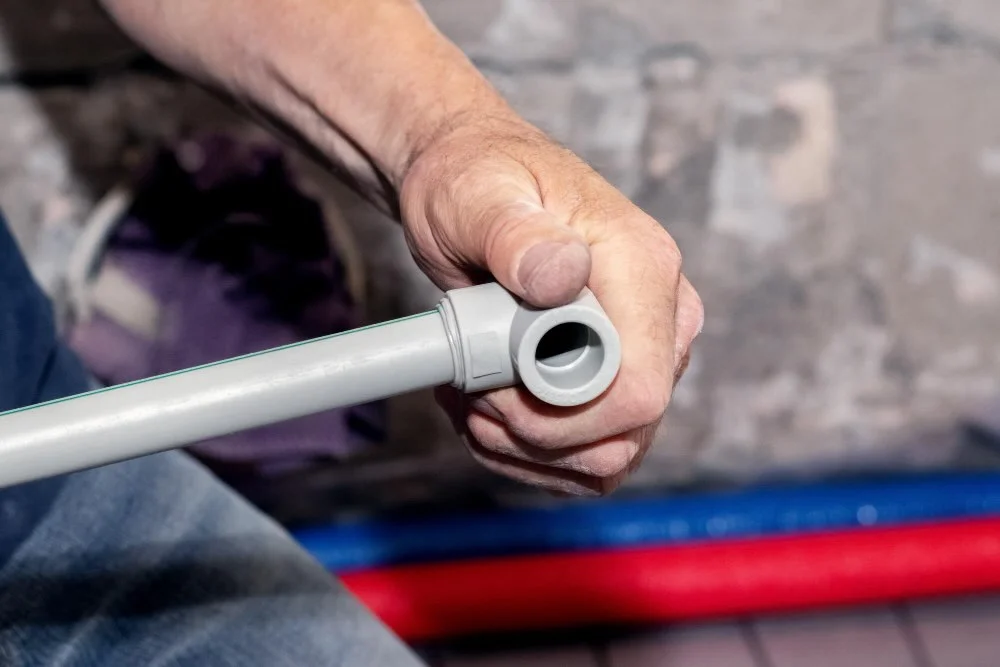
Several points matter when choosing PVC pipe adhesive. It must be compatible with the pipes. Waterproof properties and fast drying are also important. Ensure the pipes are clean and dry before bonding. Read and follow the product instructions carefully for correct, safe use; otherwise problems can develop. The right adhesive and application method deliver flawless repairs. If you cannot do the work yourself, professional help is available.
How to Use PVC Pipe Adhesive
Clean, dry surfaces are essential. Prepare them first, following the necessary steps. Then pay attention to the requirements during adhesive application. Following the sequence correctly gives flawless results and lets you benefit from properly prepared surfaces.
What Jobs Is PVC Pipe Adhesive Used For?
PVC pipe adhesive is chosen for joining rigid PVC pipes and fittings. Selsil Rigid PVC Pipe Adhesive is used in pressurised and unpressurised PVC plumbing joints. Do not treat it as a general solution for furniture or insulation materials; suitability depends on the material and product type.
Which Materials Are Compatible?
Selsil Rigid PVC Pipe Adhesive is for PVC surfaces. Do not assume it suits porcelain, rubber or other materials. Check compatibility between the product and the plumbing components when joining PVC accessories and pipes.
Repairs with PVC Pipe Adhesive
Follow the appropriate steps for bonding profile details. PVC pipe adhesive can offer considerable mechanical strength. Its advantages and disadvantages make correct use important. Follow these steps: 1. Cut the pipe sections with clean, accurate cuts. 2. Sand the ends smooth to improve adhesion. 3. Apply an even amount of adhesive to the ends, avoiding excess. 4. Join and press the parts together quickly and accurately for better grip. 5. Allow the bonded surfaces to dry fully for the period stated on the packaging. 6. Test the pipes afterwards. If they leak, do not use the system. Rebuild the joint correctly or seek professional help; adhesive applied externally cannot replace a properly made pipe joint. During use: – Avoid inhalation and skin contact. Wash immediately with soap and water after skin contact. – Work outdoors or in a well-ventilated area. – Keep out of children’s reach. – Avoid direct sunlight and hot storage conditions. Correct, careful use creates a strong, durable connection.
What Should I Check When Choosing Adhesive?
Use PVC pipe adhesive on clean, dry PVC surfaces specified in the instructions. Do not assume equal suitability for rubber or other materials. Wait 8 hours before pipe use and 24 hours before pressure testing.