
What to Consider When Choosing Wood Glue
Wood adhesives are essential materials for joinery projects, furniture repairs and decorative work. Choosing the right product is key to creating durable, lasting joints between wooden surfaces. To make sense of the different types on the market and select the one that suits your project, consider the following factors.
Types of Wood Adhesive and Their Uses
There are several wood adhesives to choose from for different projects. Here are common types and their benefits:
- Water-based wood adhesives: environmentally friendly formulations with low VOC (volatile organic compound) content. Easy to apply and odourless, they are often chosen for indoor work, including frame and furniture repairs.
- Resin-based wood adhesives: offer high strength and resist moisture and heat. They are used for laminating wood.
- Epoxy-based wood adhesives: the most durable option, with resistance to water and chemicals, making them ideal for outdoor work.
- Fast-setting wood adhesives: dry immediately and are convenient to use, especially for urgent repairs.
- Timber adhesives: specialist formulations that strengthen joints between wooden surfaces and provide durable adhesion. Used for furniture and wooden floor repairs.
- Furniture adhesives: made specifically for furniture assembly and repair, particularly for securing wooden chairs, tables and cupboards.
You can view the epoxy-based wood adhesive on the Selsil website and obtain it at an affordable price.
For furniture assembly, general applications or work involving windows and doors, follow the Super Wood Assembly Glue link to view the product.
How Do You Choose the Right Wood Adhesive?
Consider these points when choosing a strong wood adhesive:
- The wood to be joined: materials such as MDF, plywood, hardwood and softwood require different adhesives.
- The application: choose a product suited to indoor or outdoor use, as appropriate.
- Drying time: projects requiring rapid drying need a fast-setting wood adhesive.
- Water and heat resistance: epoxy-based or water-resistant products suit outdoor work.
How Should Wood Adhesive Be Applied?
Follow these steps for effective application:
- Clean the wooden surfaces and remove all dust.
- Spread the adhesive in an even layer.
- Press the surfaces firmly together and secure them with clamps or a vice if needed.
- Wait for the specified drying time.
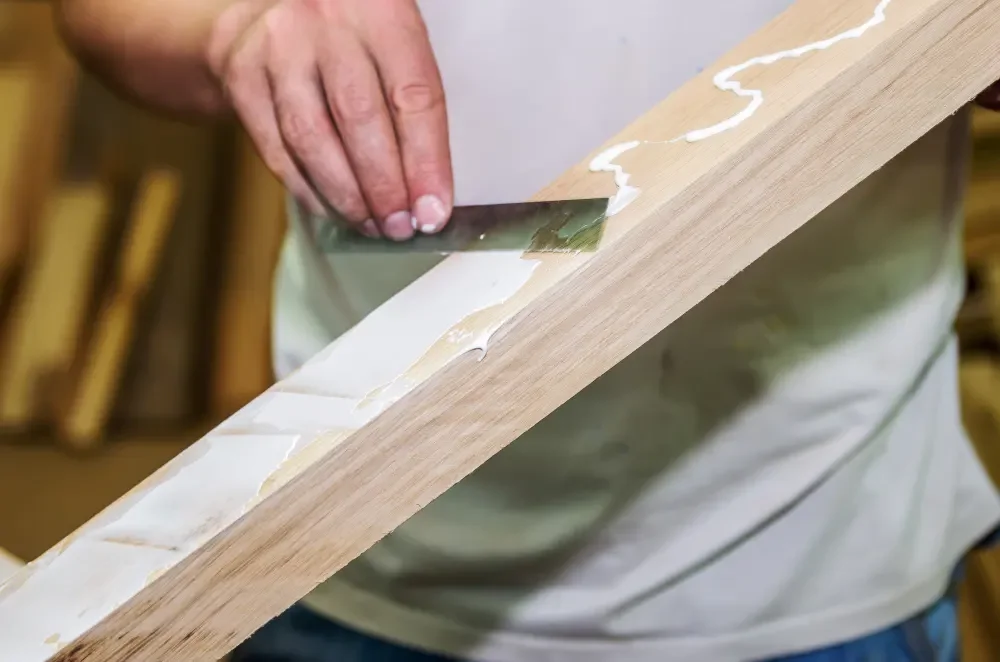
- Wipe away excess adhesive with a damp cloth for a neat finish.
What Affects the Durability of Wood Adhesives?
For wooden projects to last, you must also consider their surroundings. Moisture and temperature directly affect adhesive performance.
- Water-based adhesives are not recommended in very damp environments, as they can loosen over time.
- Use epoxy-based products where high heat resistance is required.
- Furniture adhesive used outdoors should resist water and UV exposure.
Points to Remember When Using Wood Adhesive
For the best results on delicate wooden materials:
- Apply the adhesive evenly.
- Observe the pressing times to achieve the best result.
- Use strong wood adhesives to make your joints more secure.
- Clean away excess adhesive to maintain a neat appearance and prevent surface staining.
The Best Wood Adhesive Options
Polyurethane and PVA-based adhesives stand out among the best options for woodworking projects. Polyurethane adhesives are known for their water and heat resistance, while PVA adhesives are generally ideal for indoor work. These products are popular for their fast drying times and strong bonds.
Epoxy-based timber adhesives are also an excellent choice, particularly outdoors. They withstand harsh weather and provide a lasting bond. When selecting an adhesive for your woodworking project, consider both the project’s requirements and the surrounding conditions.
Choose and use wood adhesive according to the specific needs of your project. The right fast-setting wood adhesive or furniture adhesive will help your furniture and other wooden projects remain durable for years. A careful choice of adhesive helps you achieve professional results.