
How to Insulate a Roof
Roof insulation is an essential process that improves a building’s energy efficiency, prevents water leaks and increases comfort. Particularly in countries with four distinct seasons, such as Turkey, it protects your home from rain, damp, cold and extreme heat. How is it installed, and which materials are used? Here is a detailed, step-by-step look at the process.
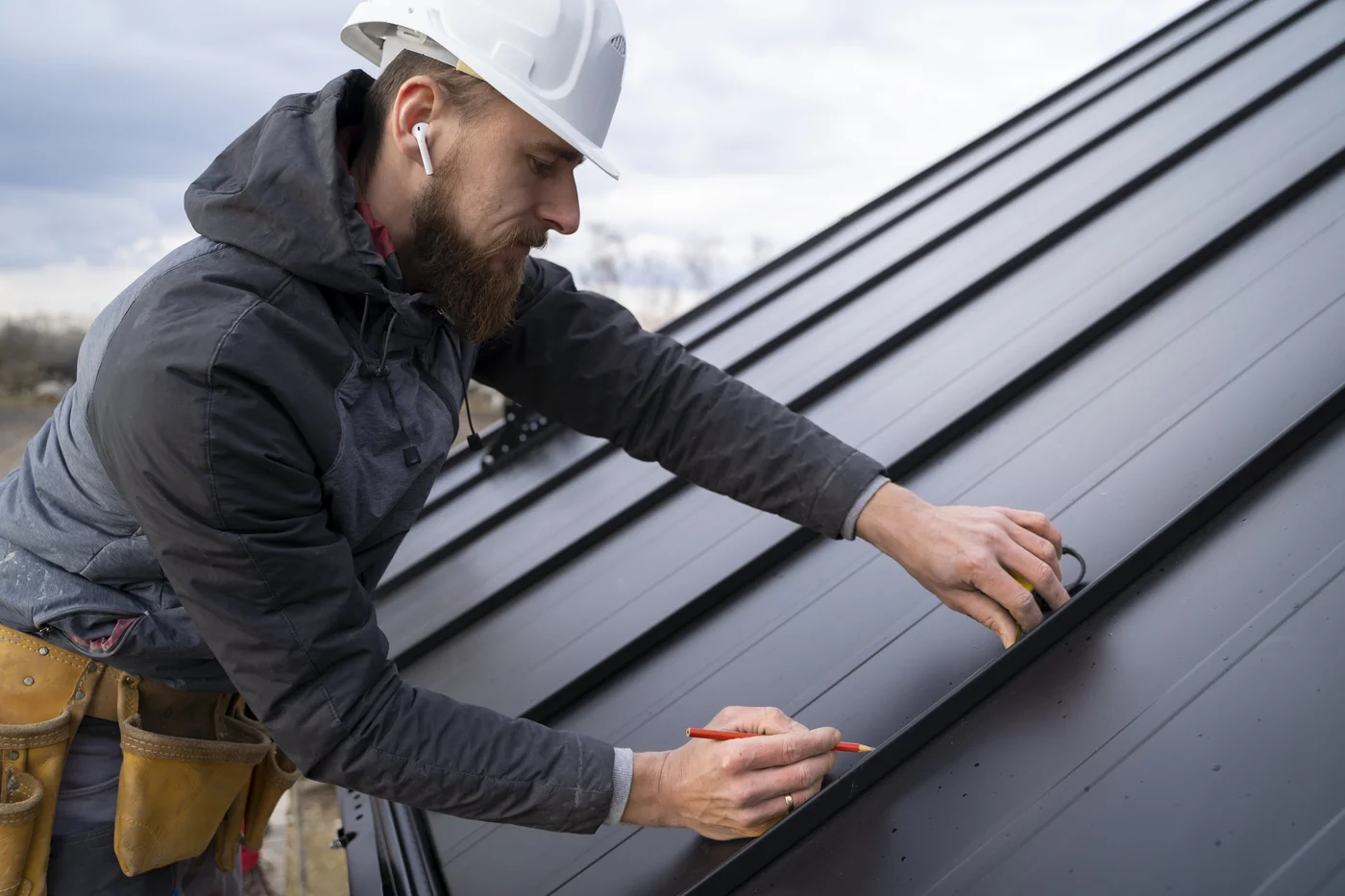
Why Should You Insulate Your Roof?
The roof is the part of your building most exposed to external conditions. Without proper insulation, you can face serious problems such as heat loss and high gas bills in winter, affecting both costs and comfort. In summer, cooling costs rise in extreme heat, increasing energy consumption and putting pressure on your budget. Missing roof insulation can also cause leaks and moisture-related ceiling mould. It can trigger structural problems such as corrosion and deformation too. Roof insulation prevents these issues, saves energy and extends the building’s life.
Polyurethane foams are the most suitable option for roof insulation. Follow the Polyurethane Foams link to choose a material that meets your needs.
Preparation Before Roof Insulation
Clean the roof surface thoroughly before starting. This is critical to effective insulation. Removing leaves, dust, rubbish and residue ensures that the insulation material bonds fully to the surface and prevents potential leaks. Identifying cracks or damage is another important step. Examine the existing roof carefully and note any problems before insulation. Pay particular attention to cracks and damaged areas that could allow water through. Repair the surface if necessary to make it suitable for insulation. Addressing damage improves the insulation’s durability and lays the foundation for a long-lasting roof. Begin insulation once repairs are complete.
Choose the Right Insulation Method for the Roof Type
Selecting the correct method is crucial for energy efficiency and comfort. The roof’s construction—pitched or flat, timber, concrete or metal—and the local climate determine the system needed. Pitched roofs, for example, generally use specialist materials to improve drainage, whereas waterproofing is a priority on flat roofs. Timber roofs are known for their natural insulation properties, while concrete and metal roofs may need different solutions. Local temperature differences influence insulation type and thickness, helping you choose materials that deliver the best energy savings.
Installing Roof Insulation Materials
Cut rolls or boards to the roof’s measurements. Correct sizing is one of the most important stages because it ensures effective insulation. Carefully place the cut materials without gaps to minimise heat loss. Seal spaces between materials with insulation tape to prevent thermal bridges. This improves insulation performance and energy efficiency. If waterproofing is required, finish by applying a membrane, foil-faced covering or roof covering over the insulation.