
How to Remove Polyurethane Foam from Your Hands
Polyurethane foam is a strongly adhesive material widely used in construction, installation and insulation. Getting it on your hands during application is common. Because it hardens quickly, incorrect treatment can irritate or injure the skin.
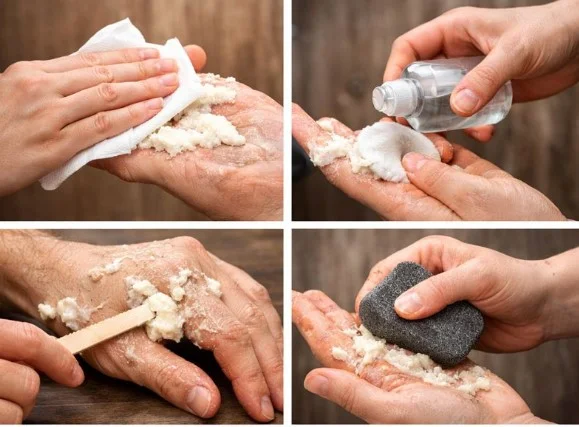
Polyurethane foam expands and hardens quickly in contact with air. This makes it effective for gap filling and insulation, but also makes it adhere strongly to skin. Chemical solvents are not a suitable way to remove cured foam from skin.
How Do You Remove Foam Before It Dries?
Cleaning is much easier if you notice the foam while it is still fresh.
Remove Excess with a Clean Cloth or Paper Towel
Gently wipe away the foam without spreading or pressing it in. Avoid rubbing it across the skin.
Check the Product’s Skin Contact Instructions
- Read the foam product’s skin contact and first aid instructions.
- Do not apply cleaners made for installation guns or surfaces to your skin.
- Wash your hands with plenty of soap and water.
How Do You Remove Cured Polyurethane Foam from Your Hands?
Polyurethane foam is harder to remove once it has dried on skin. Do not try to remove cured foam with solvent. The residue comes away over time. Wash gently with warm, soapy water without irritating the skin. If using a pumice stone, do not press hard enough to damage the skin. Do not pull the foam off forcibly or use knives, razors or other cutting tools.
You can apply moisturiser afterwards. Oil or petroleum jelly should not be regarded as cleaners that dissolve hardened foam. Stop if redness or a burning sensation continues. To prevent similar problems, wear the gloves and protective clothing specified in the product instructions.
Does Soap Remove Polyurethane Foam?
Soap and water do not dissolve cured foam, but gentle handwashing can clean the skin. Cured residue comes away over time. Do not use solvent, specialist surface remover, knives or sandpaper on skin.
Does Acetone Remove Cured Foam?
No. Acetone cannot remove cured foam from skin. Do not try cutting, sanding or using industrial foam remover. Follow the foam product’s skin contact instructions and allow the residue to come away gradually without damaging the skin.