
How to Remove Rust Stains
Rust stains are a common problem caused by the oxidation of iron or iron alloys. Contact between metal and air, especially in damp conditions, creates unsightly staining and can also damage structural integrity. Rust can affect many everyday items, from kitchen utensils to garden tools. If left unchecked, it gradually weakens objects and can seriously damage furniture fittings. Treating rust stains and taking preventive steps matter both for our health and for the life of our belongings.
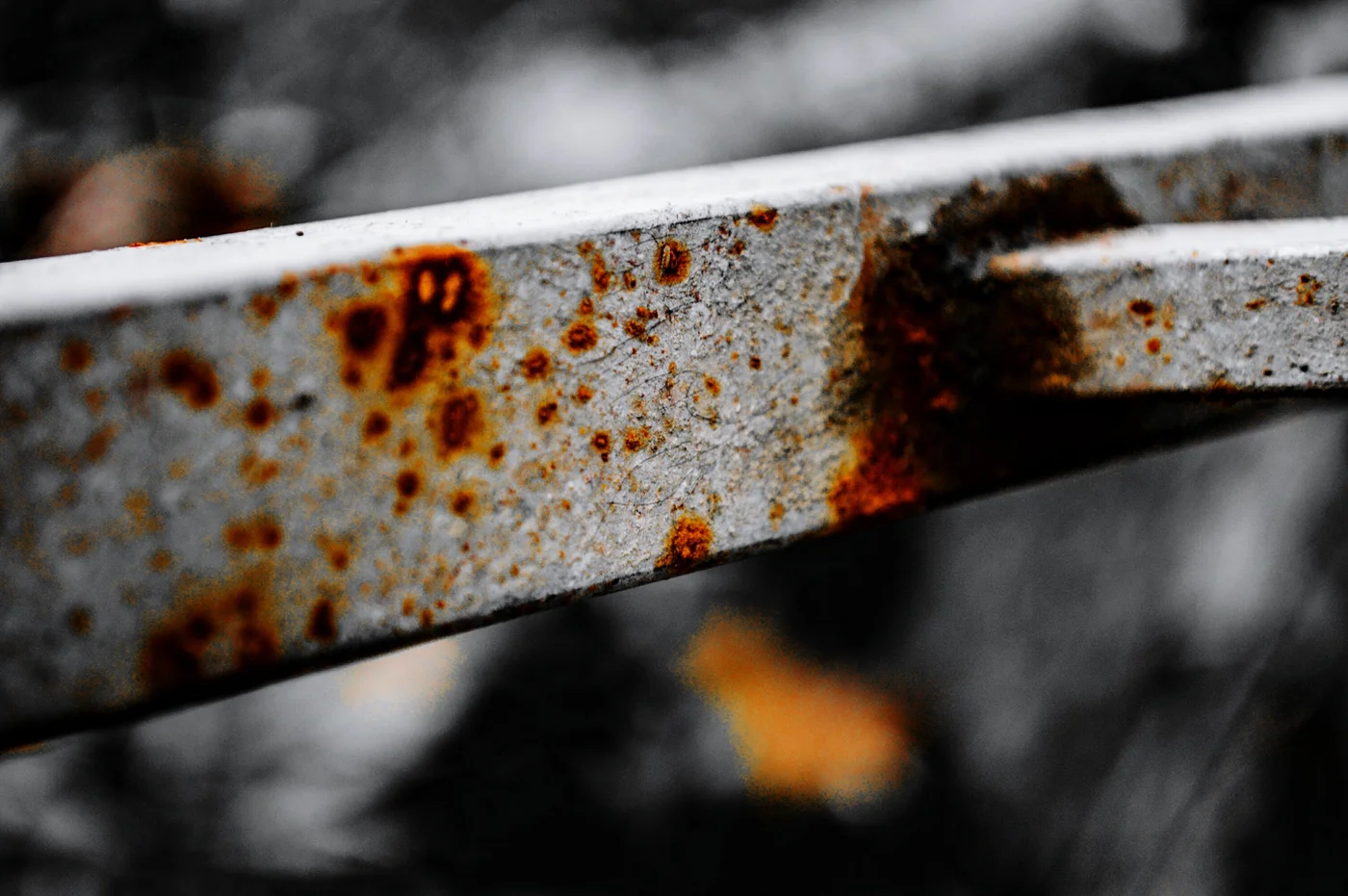
How Do Rust Stains Form?
Rust stains develop when iron or iron-containing materials oxidise. Contact with water and air triggers the process. Oxidation changes the metal chemically, leading to rust formation. Over time, brown or reddish stains appear on metal surfaces.
Rust stains are not confined to metal: they can also affect objects that touch it. For example, a metal object left on wood can transfer rust to the wooden surface, leaving stains. This potential to spread makes rust a problem wherever metal is present, including household items.
How Do You Remove Rust from Iron?
Rust stains are especially common on iron, and choosing an effective removal method matters. Sandpaper and wire brushes are among the most effective options. Gently work over the rusty area with fine sandpaper or a wire brush to loosen the rust and leave the iron looking cleaner.
Afterwards, clean the area thoroughly and rinse it with water to remove the loosened rust particles. If you do not have sandpaper or a wire brush, a rust remover offers an easier alternative. Its chemical ingredients can dissolve rust effectively while protecting iron surfaces.
Take care with either method to avoid damaging the iron. Wear gloves and take the necessary safety precautions.
How Do You Remove Rust Stains from Carpet and Marble?
Lemon and salt, or vinegar and baking soda, are options for carpet stains. Because carpets are thicker, apply these ingredients carefully to the affected area. Discolouration is possible, so allow more time and proceed cautiously. First, mix lemon and salt, apply it to the stain and leave it for a few minutes. Then rinse gently to remove the stain. Alternatively, follow a similar method with vinegar and baking soda.
Avoid acidic substances such as vinegar and lemon on marble, as they can damage it. A mixture of hydrogen peroxide and baking soda is the most effective method for removing rust stains from marble. Apply it gently to the stained area and leave for a few minutes. Wipe with a soft cloth and check whether the stain has lifted. Repeat if necessary, always taking care to protect the marble surface.
How Do You Remove Rust Stains from Tiles?
For effective tile cleaning, a mixture of vinegar and baking soda gives the best results on hard tiled surfaces. Mix them into a paste, spread it over the rusty areas and wait a few minutes. Rubbing with a cloth should then lift the stains easily.
Use a rust cleaner explicitly suitable for the surface and follow its instructions. Do not use bleach as a rust remover, and especially do not mix it with vinegar, lemon or acidic cleaners. When changing from one cleaner to another, follow the surface care instructions and the instructions for both products.
How Do You Remove Rust Stains from Fabric?
To remove rust effectively from fabric, use lemon juice, baking soda and a sponge. Mix the lemon juice and baking soda in a bowl to make a paste.
Apply the paste to the rust stain. Use the sponge to spread it over the affected area and rub in circular motions. Gentle but effective rubbing helps lift stains; take care not to damage the fabric’s texture.
Rinse thoroughly afterwards and let the fabric dry in a well-ventilated place. Rinse washable fabrics under running water; for fixed fabrics, gently wipe with a cold, damp cloth.