
How to Remove Rust
Rust is a layer of iron oxide formed when metal surfaces react with moisture and oxygen. Besides spoiling appearance, it reduces the metal’s strength. Rust can affect household items, vehicle parts, garden tools and kitchen utensils. So how do you remove it?
What Causes Rust?
Rust develops through a combination of factors. Moisture and water contact are among the main causes. Continuous exposure to water accelerates rust, particularly in salty environments such as coastal areas. Salt wears away protective coatings, allowing direct contact with air and water. Deterioration of the coating is another factor: it protects the surface, but as it wears the risk increases. Prolonged outdoor exposure accelerates the process further. Weather, including wind and rain, can trigger rusting.
Rust Removal Methods
Removing Rust with Household Ingredients
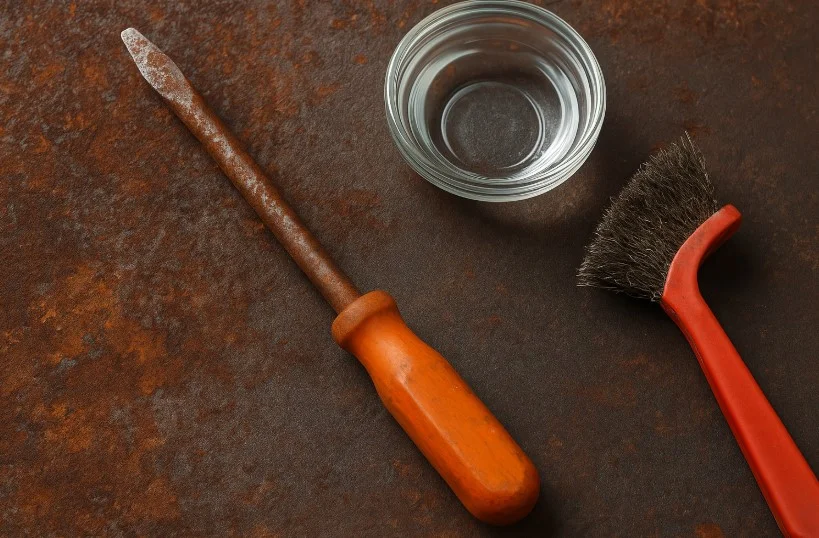
Vinegar’s acidity dissolves rust to clean metal surfaces. Soak the rusty part in white vinegar for 6–12 hours, then scrub with a wire brush for effective results. This is practical and economical. Baking soda can abrade rust without damaging the surface. Mix it with water to form a paste, apply to the rusty area and leave for 1–2 hours. Scrubbing with a toothbrush helps remove the rust. Another method uses citric acid crystals and lemon juice. Their acidity removes rust. Mix them together, apply to the area and clean after 2–3 hours for an effective result.
Removing Rust with Chemical Products
For faster, stronger results, use rust removal sprays or gel rust removers. Chemical products make rust detach easily for deep cleaning. They work quickly and restore rusty surfaces. Spray or spread the product onto the surface, wait according to the manufacturer’s instructions and rinse with clean water when the time has elapsed.
Tools for Removing Rust
Various tools effectively remove rust and oxides from metal. Wire brushes and sandpaper are among the most common, ideal for scraping thick rust layers. Steel wool removes finer residue and helps keep the surface smooth. Choose a plastic brush for more delicate surfaces. Brushes remove rust without damaging the metal. Pressurised water is one of the most effective methods for large surfaces, quickly removing rust layers over broad areas. Different tools offer suitable solutions for all kinds of surfaces and make maintenance and repairs easier.
Tips to Prevent Rust Returning
Several steps help keep rust from returning. Always clean items after use. Apply protective oil or varnish afterwards to protect the metal and prevent rust. Store items carefully in dry conditions: moisture is a major threat and quickly causes oxidation. Regular inspection and maintenance also matter. Maintain metal surfaces regularly to protect against rust, extend their life and preserve appearance.
Which Is the Most Effective Rust Removal Method?
This depends on how extensive the rust is. Household methods such as vinegar and baking soda are effective on thin layers. Heavy rust may need professional chemical removers for a stronger effect.
Can Removing Rust Damage the Surface?
With the right equipment and method, the surface is not damaged. Use non-abrasive brushes on delicate surfaces. Working carefully improves effectiveness and extends the surface’s life.
How Do You Stop Rust Returning After Cleaning?
Apply a protective coating for lasting protection. Keeping the cleaned surface in a dry environment also prevents rust. Moisture is the main threat.