
How to Remove Stubborn Stains from Fabric
Stains on clothing, upholstery or household textiles can seem permanent when they survive the first wash. Yet the right method and product, used in a way that suits the fabric, can bring many stubborn stains under control.
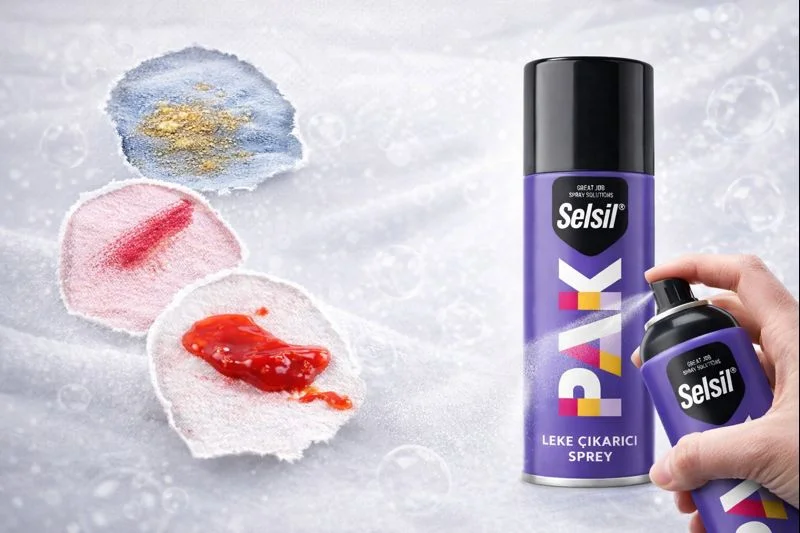
Why Do Stains Stay in Fabric?
There are usually several reasons a stain appears permanent:
Incorrect initial treatment is one of the most common mistakes. Washing with hot water, for example, can set the stain into the fibres and make removal harder. Using a method unsuited to the fabric makes matters worse, as aggressive chemicals can damage delicate fibres.
The stain’s chemical composition also matters. Water struggles to remove oil-based stains, while solvents are less effective on water-based stains. Choosing the right cleaner is therefore essential.
Time plays a critical role too. The longer a stain remains, the more firmly it bonds with the fibres and the more permanent it becomes. Treating it immediately is the most effective solution.
Why Do Stubborn Fabric Stains Develop?
Stubborn stains often result from mistakes during cleaning. An unsuitable method is one of the most common reasons a stain becomes permanent. Using hot water first can coagulate protein-based stains and make them stick to the fabric.
A product unsuited to the stain, or chemicals incompatible with the fabric, can drive the stain deeper. Leaving it for a long time strengthens chemical bonds and makes cleaning harder. These mistakes fix the stain into the fibres instead of allowing it to be removed from the surface. Prompt treatment with the right products and methods makes most stains easy to remove.
Which Fabric Stains Are Hardest to Remove?
Oil and Grease Stains
Oil-based stains do not dissolve in water. Hot water can instead drive them deeper. Start with a product that breaks down grease. Suitable cleaning methods make these stubborn stains easy to remove.
Make-up Stains
Foundation, lipstick and mascara contain pigments and oils that ordinary detergents do not remove. They create particularly stubborn stains on clothing. Light-coloured fabrics are especially likely to retain marks. White and pastel garments are more sensitive to make-up stains and need specialist cleaning methods.
Sauce and Combination Stains
Ketchup, mayonnaise and salad dressings contain both oil and colouring, so a single cleaning stage is often insufficient. First dissolve the oily component, then remove the pigments. Professional dry cleaning is the most effective solution for these difficult stains.
Rust, Mould and Scorch Marks
Rust, mould and scorch marks are among the most difficult textile stains. On most textiles, they are permanent. Household stain removers are generally ineffective, and incorrect treatment can damage the fabric.
Stain Removal for Different Fabrics
Choosing a method suited to the fabric is essential to effective cleaning. Every fabric has different properties, so techniques must vary accordingly.
Durable fabrics: cotton, linen, polyester, nylon and acrylic can fall into this group. However, fibre type alone does not permit high temperatures or strong solvents. Check the fabric blend, dye and care label, and test a suitable stain remover on an inconspicuous area first.
Unsuitable and delicate fabrics: these include acetate and triacetate, rayon or viscose, cupro, leather and suede, plastic- or rubber-coated surfaces, and fabrics with delicate dyes. Always test first and avoid aggressive treatment. Choosing a method suited to the fabric both removes the stain fully and prevents damage.
How Do You Clean Fabric Stains?
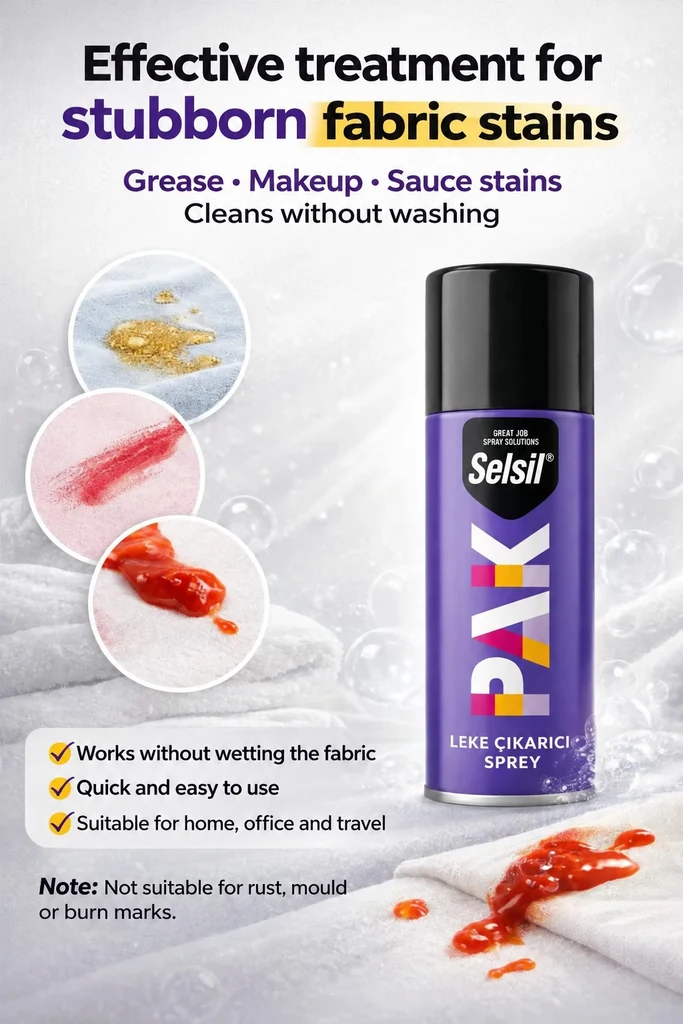
Washing with water is not always possible when travelling, at the office or in a car. Solvent-based stain removers that require no washing offer a practical advantage in these situations.
For oil, make-up and sauce stains, choose products that dissolve the stain without wetting the fabric or damaging its fibres. Developed for situations needing prompt treatment, Selsil PAK Stain Remover Spray provides an effective alternative with its powerful solvent action, particularly when washing is not possible.
For product details, visit:
Selsil PAK Stain Remover Spray.
Note: these products are ineffective on rust, limescale, mould and scorch marks.
The Right Steps for Treating Stubborn Fabric Stains
Following the right steps is essential. First remove excess material without pressing it in: gently scrape it off with a spoon or paper towel. Then blot rather than rub, as rubbing pushes the stain deeper into the fabric. When using a stain remover or natural cleaner, give a suitable product a short time to work; 10–15 minutes is usually enough. Repeat if necessary when the stain has not fully disappeared, and be patient.
Finally, rinse or air the fabric if appropriate. Rinse washable fabrics with plenty of water; for delicate fabrics, drying in the open air is preferable. This systematic approach increases your chances of removing difficult stains.
Can a Fabric Stain Be Permanent?
Yes. Some stains or damage to fibres can be permanent. Incorrect cleaning can also make stains harder to remove. Identifying the stain correctly and choosing a product suited to the fabric can remove many seemingly difficult stains, but no method guarantees removal of every stain. Oil, coffee, ink and blood each need an appropriate approach. Selsil PAK Stain Remover Spray is ineffective on rust, limescale, mould, scorch and bleach marks. Correct initial treatment improves the chances of success; follow the care label and product instructions.