How to Use Fast-Setting Glue
Fast-setting glue is one of the most useful everyday repair materials. It is popular for furniture, plastic items, shoes and electronics. How do you use it correctly and safely? This detailed guide answers common questions about its application.
Prepare the Surfaces
Surfaces must be clean, dry and grease-free for proper bonding. This improves effectiveness and creates a lasting joint. Dirt or oil residue weakens adhesion. If surfaces have irregularities or unwanted coatings, wipe with alcohol if necessary or sand to roughen them. This particularly improves grip on plastic and metal. Removing sanding dust is also important.
Apply a Small Amount
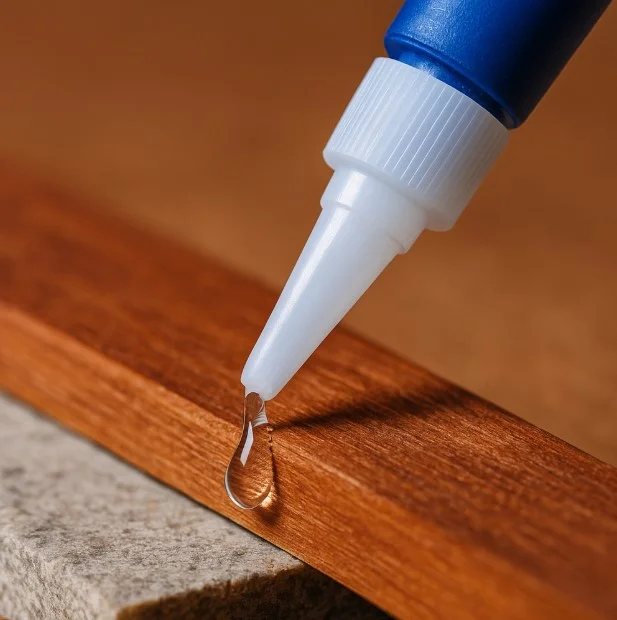
Very little fast-setting glue gives effective results, making bonding more efficient and economical. Using less than traditional adhesives for the same effect reduces cost and waste. A thin layer on one surface is sufficient. It brings the surfaces fully together for a strong bond. Easy use allows comfortable application to any surface.
Join the Parts
With the right methods and materials, joining parts is straightforward. Prepare the adhesive surface properly first. Immediately press it against the other surface and hold for a few seconds. Depending on the product, initial grab takes 5–30 seconds on average. Keeping the pieces still improves effectiveness and creates a lasting joint. Afterwards, allow the time needed for complete drying.
Wait for Drying
Although initial bonding is fast, follow the drying process carefully. Approximately 24 hours is recommended for full cure, during which strength and performance reach their maximum. Patience improves the result.
Read How Long Does Fast-Setting Glue Take to Dry?
What Will Fast-Setting Glue Not Bond?
| Material | Compatibility |
|---|---|
| Polyethylene (PE) | Poor adhesion |
| Polypropylene (PP) | Poor adhesion |
| Teflon | Unsuitable |
| Silicone surfaces | Does not adhere |
| Glass | Use carefully: cracking risk |
Can you use fast-setting glue on shoes?
Yes, particularly on rigid areas such as soles, toes or edges. It may not last on flexible sections, where movement can cause cracking or detachment. A more suitable adhesive is recommended for flexible parts.
Is fast-setting glue harmful to health?
It provides a practical solution but requires care. Direct inhalation can be harmful because of its chemicals. Skin or eye contact can also cause serious health problems. Safe use carries no health risk, however. Following the instructions allows safe use and lets its benefits stand out.