
How to Whiten Darkened Silicone
Darkened silicone is a common cleaning problem in bathrooms, kitchens, shower enclosures, basin edges and tile joints. Moisture, soap residue, poor ventilation and surface mould usually cause the stains. The right method can improve its appearance without scratching the silicone or wearing the surrounding surface. The aim is to understand the cause and keep the area clean for longer, rather than merely disguise the stain.
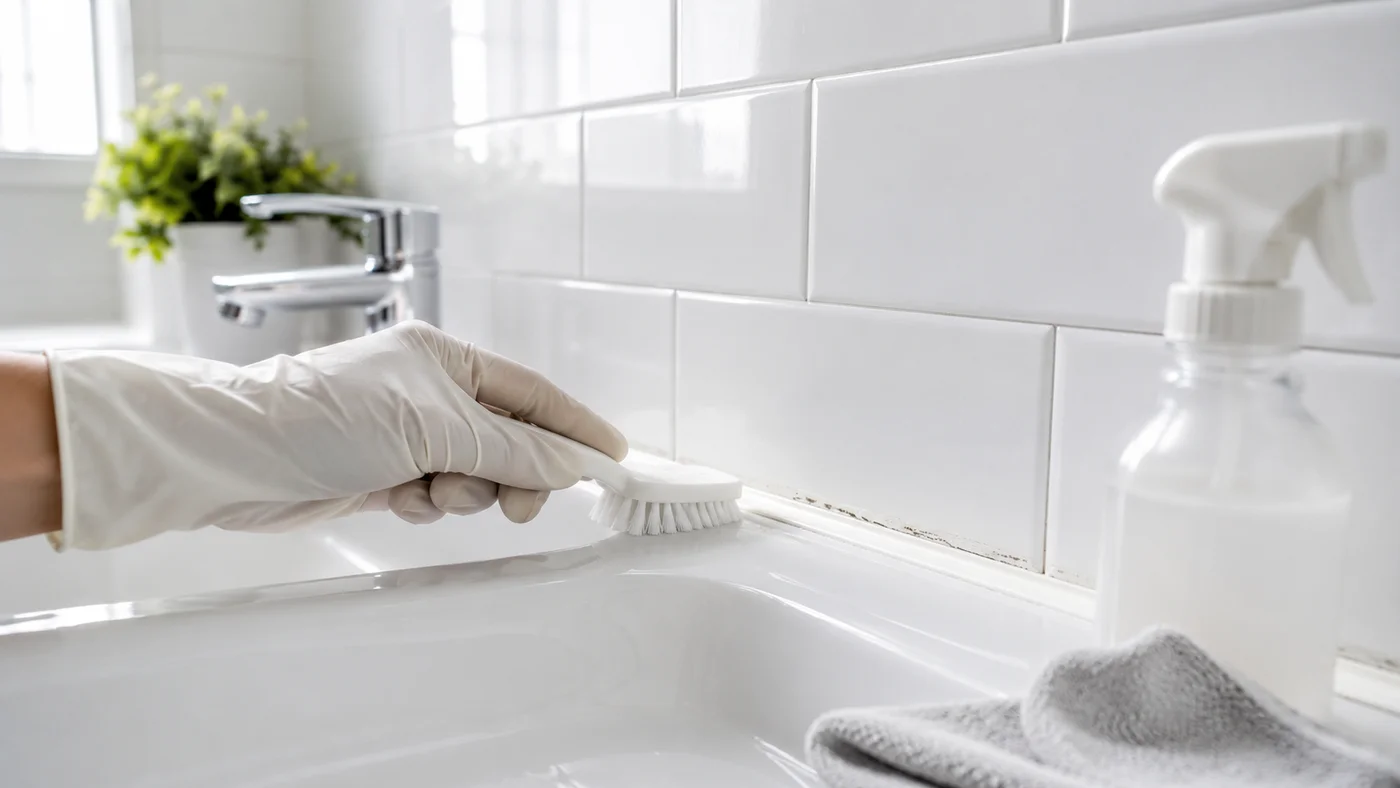
Why Does Silicone Darken?
Darkening usually begins when moisture stays on the surface. Water, soap and body oils left after showers create a thin dirt layer. Mould spores multiply in damp areas, leaving black, grey or dark-green marks. In kitchens, grease vapour, detergent residue and temperature changes can speed discolouration. Age matters too. Silicone can harden and become porous over the years, letting dirt penetrate deeper. Wrong cleaners, stiff brushes and constantly wet joints worsen darkening. Surface stains respond to cleaning, but whitening may be limited if marks penetrate the material.
Methods for Whitening Darkened Silicone
First remove dust and soap with warm water. Apply white vinegar directly to stains and leave for at least half an hour, rather than just a few minutes. Darker areas may need longer. Rub gently with a soft toothbrush or microfibre cloth. Baking soda gives mild abrasion: mix with a little water into a paste, spread over the silicone, leave for a while and clean gently. Diluted bleach can be used on heavy mould, with good ventilation and gloves. Never mix bleach with vinegar or other cleaners, as this can release harmful gases.
How to Clean Safely at Home
Open a window or run an extractor before starting. Gloves protect skin. An old toothbrush, cotton wool, cloth or cotton bud helps in narrow corners. Test first on a hidden area to check the surface response. Do not press too hard: this can lift edges, allow water underneath and make darkening return. Rinse thoroughly and dry completely. Silicone left wet can stain again quickly. Drying glass and corners after daily showers significantly reduces darkening.
What If the Stain Will Not Come Out?
Some stains penetrate silicone. Vinegar, baking soda or diluted cleaners may reduce them without restoring full whiteness. Replace silicone if it softens under finger pressure, separates at the edges, smells underneath or retains a deep black line. Remove it without scratching the surface. Use a craft knife carefully and a plastic scraper for residue. Apply new silicone only once completely dry. Wet surfaces prevent adhesion and can soon cause blistering. Clear silicone may look attractive on glass enclosures and some worktop joints. For wall cracks or paintable areas, acrylic sealant may be more suitable.
Common Cleaning Mistakes
Mixing chemicals is the most common mistake. Do not combine bleach, vinegar, descalers or ammonia products. Wire scourers scratch surfaces, lift edges and let dirt settle faster. Wiping a cleaner off immediately reduces its effect, as stains need time to soften. More product does not mean better results; it can cause odours, eye irritation and dulling. Cleaning without drying gives only short-lived results. Dryness and airflow matter as much as cleaning for a lasting appearance.
Practical Ways to Prevent Darkening
Prevention is easier than removing existing stains. Squeegee water from corners after showers. Dry basin and worktop edges to prevent soap and limescale layers. Leave the bathroom door open briefly to disperse moisture. Small moisture absorbers can help poorly ventilated areas. Gentle weekly cleaning preserves silicone colour. Warm water, a soft cloth and regular drying may be enough without strong products. Brief monthly vinegar care makes stains harder to establish. Act promptly on lifted edges, cracks or gaps. Even slight separation lets water underneath and causes more extensive darkening. Clean, dry, ventilated surfaces keep silicone looking neat for much longer.