
How to Prevent Wood from Cracking, Splitting and Coming Loose
Wood’s natural character, attractive appearance and long service life make it a popular choice for furniture, exterior cladding, flooring and decorative items. Without proper protection, however, cracking, splitting and loose joints can become inevitable.
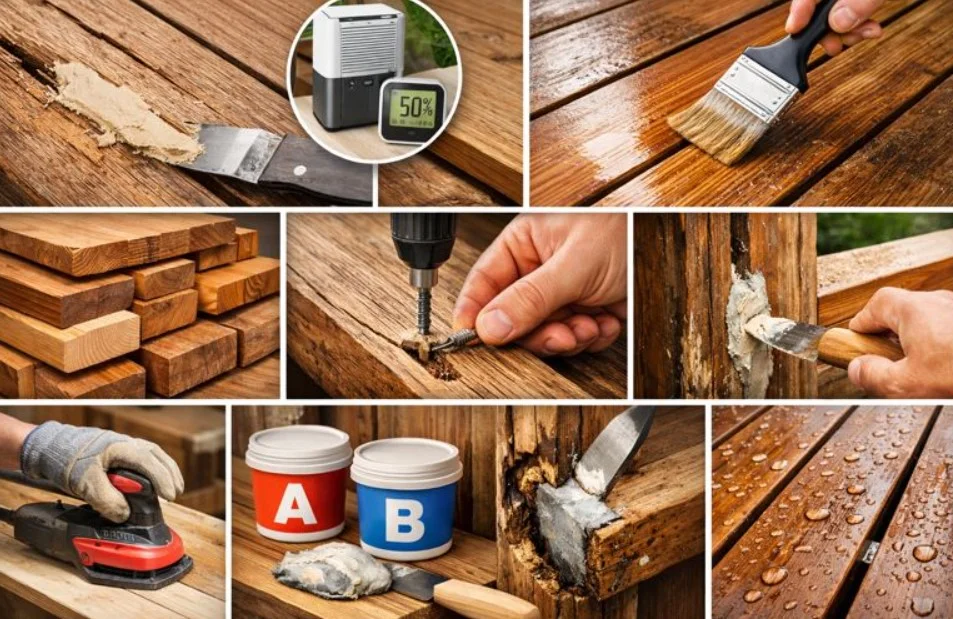
Why Does Wood Crack, Split or Come Loose?
Wood is no longer living material, but its natural structure still responds to changes in its surroundings. The most common causes are:
Changes in Moisture and Temperature
Wood naturally absorbs and releases moisture from the air. It swells as its moisture content rises and shrinks as moisture is lost. Repeated cycles of swelling and shrinking eventually cause cracks and splits.
Poor-Quality or Unseasoned Wood
Poor-quality or unseasoned wood can cause serious problems in furniture manufacture. Timber that has not been kiln-dried or properly seasoned retains internal stresses that reduce the finished item’s durability. Wood with a high moisture content can separate along the grain and develop cracks over time. This loosens joints and compromises the furniture’s structural integrity.
Incorrect Assembly and Fixing
Serious problems can develop when wood is assembled without allowing for its natural movement. Screws loosen over time, reducing stability. Joints open up, and the material loses its original shape. Use the right fixing techniques and always allow for the wood’s expansion and contraction.
Lack of Protective Treatment
Wood without varnish, oil or preservative treatment is exposed to the elements. It is vulnerable to moisture and UV radiation and quickly loses durability. Without a protective layer, cracks and discolouration can appear rapidly, significantly shortening its life.
Effective Ways to Prevent Wood from Cracking and Splitting
Start with the Right Timber
Choose kiln-dried timber with a balanced moisture content to minimise warping and cracking. Outdoors, use hardwoods such as teak, iroko or oak, which are more resistant to weather. Choosing the right species for the intended use improves the quality of your project.
Control Moisture and Temperature
Keep indoor humidity between 40% and 60% and ventilate regularly. Do not place wood in direct sunlight or close to radiators or stoves, as this can cause cracking and distortion. Provide drainage for outdoor timber and prevent rainwater from collecting. Suitable temperature and moisture control is essential for extending the life of wooden items.
Apply Protective Products Regularly
Regular protective treatment is the most important step in extending the life of wood. Varnishes harden the surface and limit moisture transfer. Wood oils preserve natural flexibility and reduce cracking. Preservative treatments provide effective outdoor protection against mould, fungi and insects.
Use the Right Installation Techniques
Leave room for expansion when screwing or fixing wood, as it moves with changes in moisture and temperature. Choose stainless metal fasteners to prevent corrosion. Avoid overly tight fixings that put the timber under stress and can cause cracks or distortion. Use flexible connections that allow natural expansion and contraction.
Keep Up with Routine Maintenance
Inspect the surface for damage at least once a year. If needed, sand away fine cracks to achieve a smooth surface. Renew protective coatings regularly to protect the wood from external conditions. These simple steps improve the durability of your furniture.
How Can You Repair Cracked Wood or Loose Joints?
Fine surface cracks can be filled, but deeper cracks, rotten areas and repairs to load-bearing timber need stronger solutions. Two-component epoxy systems provide strong, lasting repairs in these situations. For example, Selsil Wood Epoxy Putty, made from epoxy resin and hardener, is an effective solution for doors, windows, furniture, exterior columns and major wood repairs.