
Silicone and Other Sealants: What Is the Difference?
Silicone and other sealants are widely used in interior fitting and façade applications. Although they serve similar purposes, their properties and performance differ. Explore the differences below.
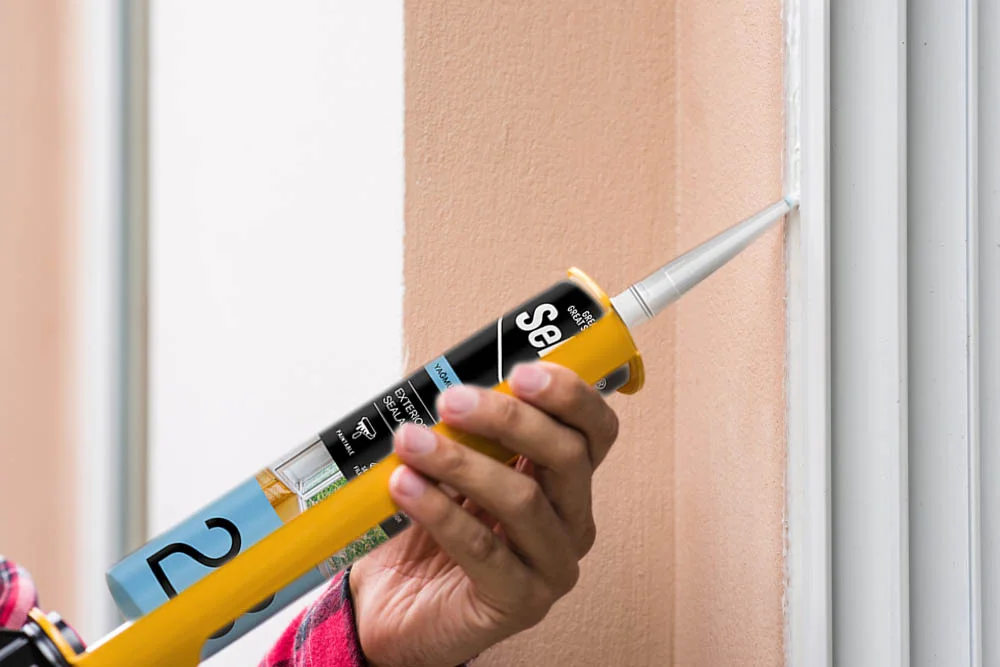
When choosing silicone and other sealants, assess the application, surface compatibility and joint movement together. Silicone is not exclusively for façades, nor polyurethane sealant exclusively for interiors. Drying and curing times cannot be inferred from the material name alone: chemistry, thickness and ambient conditions matter. Compare flexibility and uses of silicone, acrylic and polyurethane products with their technical information.
Performance differs too. Silicone is known for waterproofing, while polyurethane sealant has a more durable, high-strength structure. Consider application, working process and performance carefully to choose the material best suited to the area, achieving the required quality and lasting results.
What Is Sealant?
Sealant fills gaps and prevents liquid or air entry. It is commonly used on concrete, aluminium, glass, wood, steel and marble. By preventing pests entering and water leaking, it helps structures and materials last. It also improves durability and protects against external influences. It serves many purposes in building construction and design, as well as industry, where high durability and lasting service are valued. Preventing cracks at joints improves structural safety and durability. Sealant is a versatile filler with an important role in extending the life of buildings and materials, widely used across many sectors today.
What Is Çekomastik?
Çekomastik is a building material commonly referred to in Turkish as a type of silicone sealant. Used for bonding and sealing, it is often confused with silicone, but is actually acrylic sealant. Its durable structure suits various surfaces and makes it popular in construction. Taking its name from a widely used sealant name, it varies in hardening time and adhesion. Different brands offer products with different features and uses. It can be considered when seeking a durable adhesive that blocks air and water.
Silicone Features and Applications
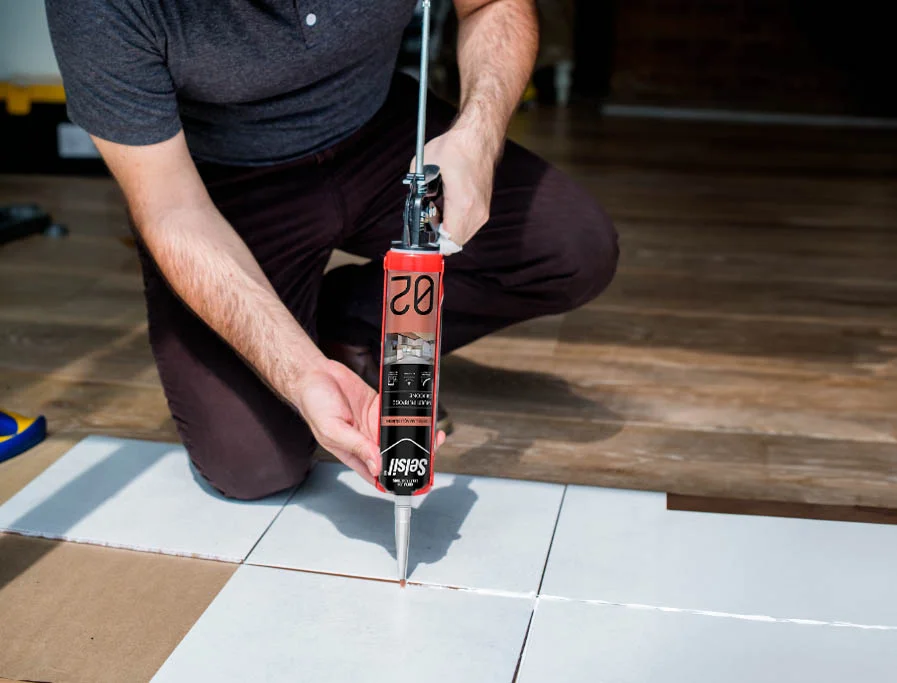
Silicone consists of synthetic organosilicon polymers. Its varied properties enable broad use. It adheres to many materials, particularly plastic, metal, tiles and ceramics. Water- and mould-prevention properties make it popular in damp bathrooms and kitchens. Flexibility also suits moving joints in building materials. These features and strong adhesion make it versatile across applications.
Some mechanical properties behind its popularity include:
- Remains flexible after drying.
- Water resistance depends on the product’s intended uses.
- Do not assume ordinary silicone is non-flammable in fire-safety applications; choose a product with suitable testing and classification.
- Assess chemical and temperature resistance using technical values.
Features and Applications of Other Sealants
Sealants are sealing, filling and jointing materials generally used in construction. Types include Çekomastik, silicone, acrylic and polyurethane, with differences in properties and uses. Silicone sealants are generally used for waterproofing, while acrylics are mainly chosen indoors. Polyurethane sealants offer varying flexibility and suit outdoor applications. Features include waterproofing, high adhesion, durability and colour options. Matching properties to the application makes the required result easier to achieve.
Çekomastik features include:
- Economical
- Suitable for decorative work
- Quick drying and excellent joining as it hardens
- Resistance to moisture and dust
- Crack filling for a smooth appearance
Differences Between Silicone and Other Sealants
Silicone is itself a sealant. In everyday language, “sealant” often refers to acrylic or polyurethane products. Do not choose by these names alone. Silicone is assessed for sealing on suitable glass, ceramic or metal surfaces; acrylic and polyurethane products are assessed within their own technical scope. Professional or household use does not determine the material type. Compare surface drying, full curing, paintability and movement capability using technical values.
The most noticeable differences are:
- Other sealants can be painted, while silicone does not absorb paint.
- Drying and full curing depend on the product and conditions; silicone remains flexible once cured.
- Other sealants are harder to apply.
- Other sealants are preferred at transitions between filling materials, while silicone suits areas needing sealing and adhesion.
- Service life for both depends on the surface, application and exposure conditions.
- Other sealants give a smoother finish.