
Tips for Using Silicone Sealant
Silicone sealant is a type of adhesive widely used in construction and repairs. Applied correctly, it creates strong, durable connections between different surfaces. A few important tips and a clear application sequence help you achieve better results.
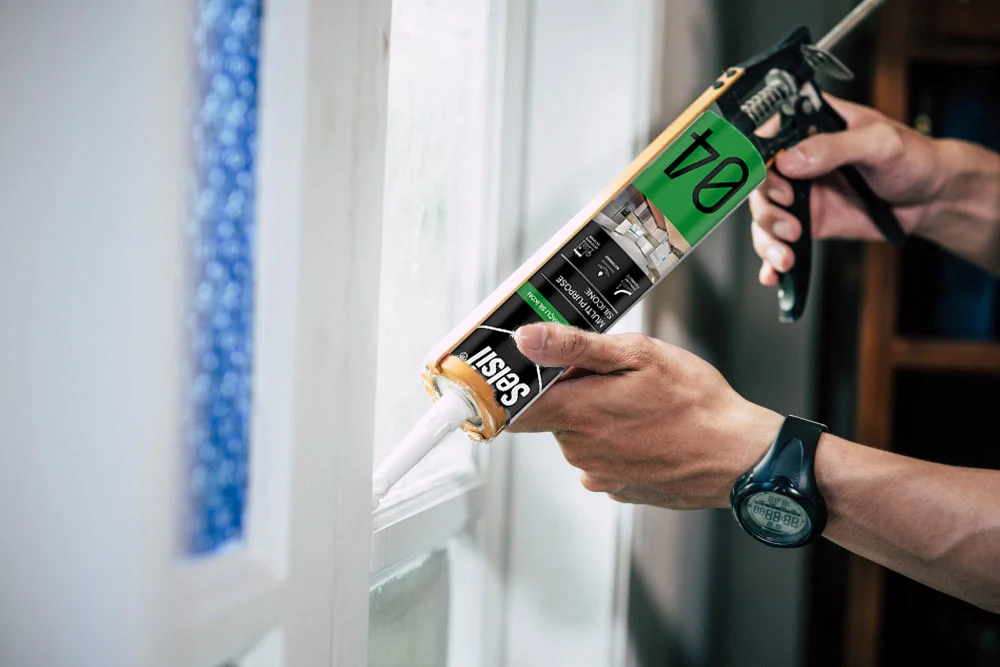
Use silicone adhesive correctly to avoid unwanted results. This guide shares practical tips for silicone sealant. Learning the right techniques helps you use it more effectively in projects at home or at work.
Choosing the Right Silicone Sealant
When choosing silicone sealant, check its chemistry, curing system and surface compatibility. Water-based acrylic sealant and silicone are different materials; silicones are not classified simply as water-based or solvent-based. Showers, basins, glass, doors and façades have different needs. Verify bonding or sealing uses in the technical instructions. Choose a colour and appearance appropriate for the application.
Using a Sealant Gun
A sealant gun makes adhesive silicone or sealant easier to apply evenly and accurately. Simply load the cartridge and apply the product in a controlled way. It allows the required quantity to be dispensed even on difficult surfaces. Controlled application minimises unwanted leaks and produces tidier work. Sealant guns have broad uses, from household repairs to industrial projects, and greatly simplify application.
Trimming and Smoothing
Trimming and smoothing are important for levelling a surface. Use an appropriate tool to trim, then lightly touch the surface with a fingertip to smooth it. This corrects small imperfections for an excellent finish. Check the surface immediately afterwards to achieve the required smoothness. This is particularly effective on materials such as wood and metal, removing roughness for a more attractive result.
Using Primer
Primer requirements for silicone depend on the product and surface. Do not treat paint primer as equivalent to a specified silicone primer. Prepare the surface according to the instructions; where needed, use only the recommended compatible primer and observe the stated waiting time.
Curing Time
Curing time is the period silicone adhesive needs to dry fully. After application, allow the specified waiting time. This is an important consideration before and after use. Do not touch or move the application while it cures. Read the label’s curing time before starting; it varies with the application and adhesive type and may take time. Observing that period ensures proper bonding and drying, allowing the silicone to work fully and create a durable connection.
Careful application with the right techniques makes silicone sealant a reliable solution for waterproofing, insulation and bonding. These tips help you use it efficiently and achieve lasting results.