
What Is a Membrane, and What Is It Used For?
Membranes are protective construction materials found in many areas. They protect buildings inside and out in applications we may not even notice. Used for functions ranging from waterproofing to air permeability, they improve durability and help buildings last longer. Alongside extending service life, they contribute to energy efficiency and environmental sustainability.
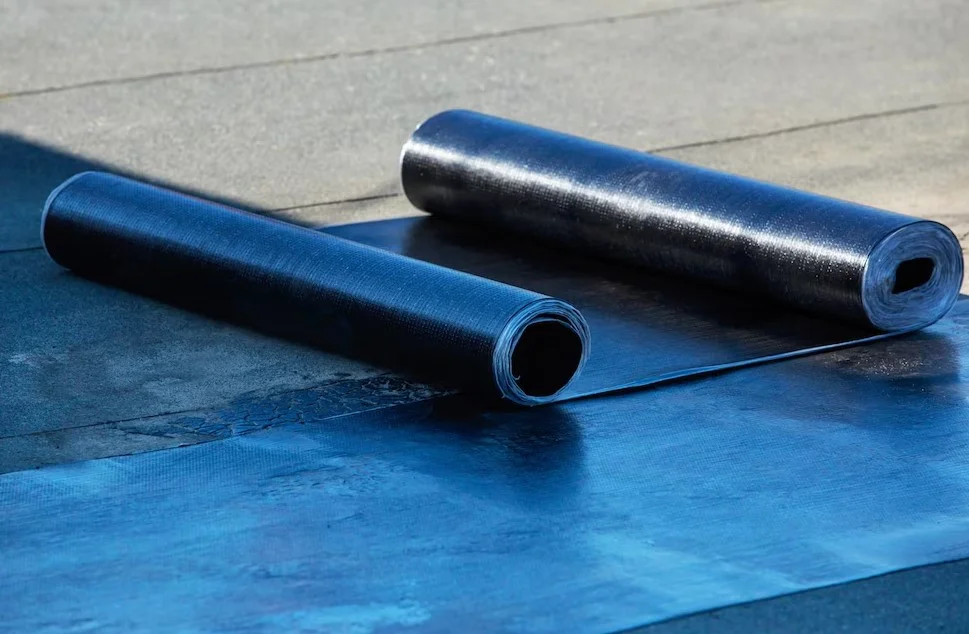
What Is a Membrane?
A membrane is an insulating material that prevents water from passing through beneath or above surfaces in continuous contact with water. It is particularly important in construction. Waterproofing helps materials such as steel blocks, wire and concrete remain durable for many years. Water can weaken them over time and threaten structural strength; membranes protect them against this damage.
Used from foundations to roofs, membranes prevent water damage and allow long-lasting structures to be built. Different types suit different applications, usually based on elastomeric, thermoplastic or bituminous materials. This variety provides solutions for each project’s needs. Without waterproofing, structural damage can occur, so selection and application require great care.
What Are Membranes Used For?
A membrane is a thin layer used to separate substances, seal or filter. Its function varies with the application. In construction, for example, it provides waterproofing on roofs, terraces and foundations, preventing water damage. This extends building life and reduces maintenance costs.
In treatment systems, reverse osmosis membranes in particular separate harmful substances and salt from water to produce drinking water. The process improves quality, creating a healthy, safe supply. These membranes are also widely used in industry. In medicine, some membranes play an important role in separating drugs and biological fluids. By regulating processes at cellular level, they improve treatment and patients’ health.
What Types of Membrane Covering Are Available?
Membrane coverings are thin, flexible materials applied to different surfaces. Bituminous roofing membranes are known for waterproofing, while PVC and TPO are also chosen for energy efficiency. Flexible EPDM withstands different climates. Acoustic membranes suit indoor sound insulation, reducing noise for greater comfort. Each type provides specific benefits for different needs.
Bituminous Membranes
- Material: based on bitumen, a petroleum derivative.
- Applications: terraces, roofs, foundations and car parks.
- Subtypes:
- Plastomeric APP bituminous membrane: resistant to high temperatures.
- Elastomeric SBS bituminous membrane: flexible and more resistant to cold weather.
PVC Membranes
- Material: polyvinyl chloride, or PVC.
- Benefit: resistance to chemicals and UV rays.
- Applications: pools, ponds, roofs and foundation waterproofing.
TPO Membranes
- Material: thermoplastic polyolefin.
- Properties: environmentally friendly, with resistance to UV and ozone.
- Applications: commonly used in green building projects.
EPDM Membranes
- Material: synthetic rubber.
- Properties: flexibility and long service life.
- Applications: roofs, ponds, green roofs and water tanks.
Polyurethane Liquid Membranes
- Material: applied as a liquid that cures into a waterproof layer.
- Benefit: creates a seamless, continuous surface.
- Applications: detailed surfaces, terraces, balconies and wet areas.
Acrylic Membranes
- Material: water-based acrylic resin.
- Properties: easy application, good UV resistance and breathability.
- Applications: roofs and facades needing light waterproofing.
How Many Square Metres Does a Roll Cover?
Check the roll dimensions when calculating quantities for a construction project. For example, a roll 1 m wide and 10 m long contains a nominal 10 m². Overlaps and application details reduce the net covered area; assuming roughly 9 m² is not valid for every product or application. Follow the selected product’s technical information for thickness, roll dimensions and overlap allowance.
Do Membranes Prevent Damp?
This question often arises in construction. Membranes prevent water and moisture from passing through, stopping damp and mould from forming on walls. This keeps interiors healthy and extends the building’s life.
Do Membranes Melt in the Sun?
A membrane’s response to sunlight and heat depends on its material and surface protection. Not all membranes are unaffected by UV rays. Some bituminous membranes need a mineral finish or another protective layer for exposed use. Choose a membrane suited to the application and check its technical information for UV resistance and temperature limits.