
What Is Liquid Gasket? Uses and Applications
Liquid gasket is an important chemical material used in many industrial processes to provide sealing and insulation. Although it may sound ordinary, these gaskets form vital connections in everyday repairs and maintenance. They are commonly used to prevent unwanted leaks in pipelines carrying liquids or gases, engines and other machinery. They also perform excellently under high temperatures and pressure.
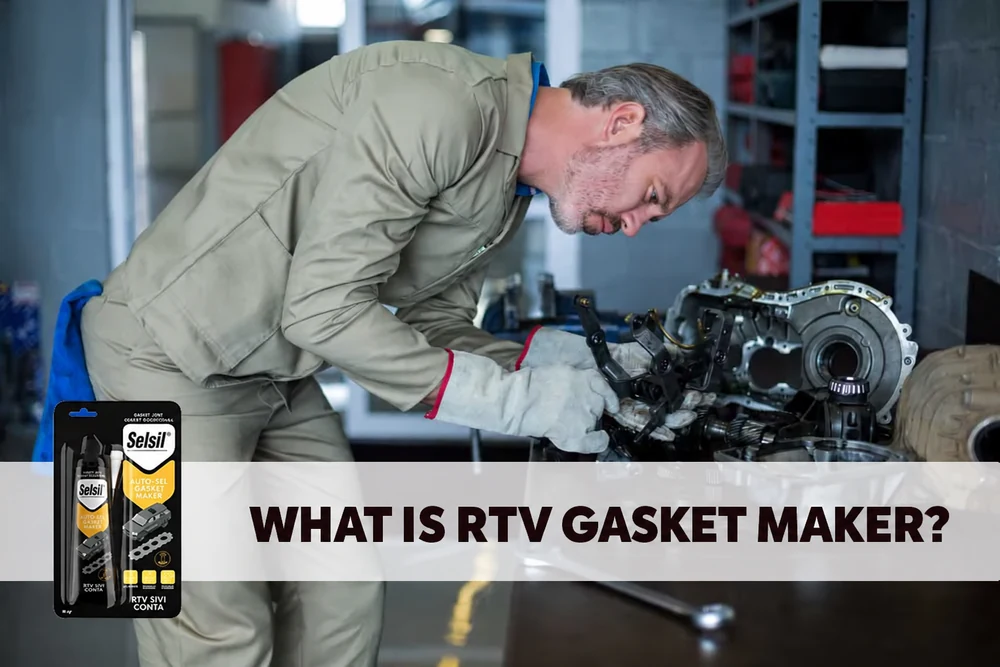
What Is Liquid Gasket?
Liquid gasket is a fast-setting material that remains permanently elastic. These gaskets provide important seals in applications requiring high heat resistance. Chemical resistance must be assessed according to the substance in contact and the product’s technical suitability. Liquid gasket minimises leakage even under high pressure and temperature, helping parts remain durable for longer. Selsil Auto-Sel RTV is used to form gaskets on engine, differential and carburettor covers, pumps, thermostats and heating systems. Do not assume it is suitable for natural gas pipes. Liquid gasket is an important insulating material considered indispensable in industrial applications.
What Does Liquid Gasket Do?
Liquid gaskets prevent different kinds of leakage, typically keeping water, air and oil from escaping. Water- and oil-resistant liquid gaskets also resist ozone. They tolerate high temperatures and can replace conventional gaskets in some situations. They also have adhesive properties and can be used for bonding. As an industrial material, liquid gasket is particularly common in vehicle maintenance and repairs, including engine oil leaks. It can also prevent leaks in plumbing applications. Usually sold in tubes, it is easy to apply. Correct quantity and sufficient drying time are among the important points to consider.
Where Is Liquid Gasket Used?
Liquid gasket offers sealing in many applications. Key uses include engine components, pump flanges, transmission and gearboxes, and differentials. It can also seal components around equipment such as loose iron fittings, barbecues and fireplaces.
Especially common in industry, liquid gaskets work effectively under high pressure and temperature. They minimise leaks when engine parts are assembled. On pump flanges and gearboxes, they likewise help systems remain durable and efficient.
With broad applications, liquid gasket is an important material for improving industrial equipment efficiency. Its durable yet flexible structure makes it a dependable choice in many areas.
How to Apply Liquid Gasket
Liquid gasket is a silicone-derived material applied in a similar way to silicone. A sealant gun may be needed for a large tube. Before application, use a cloth to make sure the surface is clean and dry. Allow for possible overflow when dispensing enough material to prevent leaks. Once an even amount has been applied throughout, join the fittings firmly. Correct application creates a secure, leakproof connection.
How Long Does Liquid Gasket Take to Cure?
Surface drying and full curing are different stages. For Selsil Auto-Sel RTV, the stated surface drying time is 7–13 minutes at 23°C and 50% relative humidity, with a curing rate of at least 3 mm per day. Full curing depends on application thickness and ambient conditions; follow the product instructions.
Is Liquid Gasket Waterproof?
Liquid gasket is generally used to prevent liquid leakage. Its high heat resistance makes it a common choice for bonding heat-exposed materials. It is waterproof and also withstands temperature and other external influences.
What Temperatures Can Liquid Gasket Withstand?
Liquid gasket withstands temperatures from -50°C to 250°C. It remains permanently elastic even in very hot applications. This allows reliable use across a wide temperature range, providing a seal in cold conditions down to -50°C and maintaining performance at temperatures up to 250°C.