
What Is Liquid Polyurethane?
Liquid polyurethane is the liquid form of the chemical compound polyurethane and an essential material in modern industry. Its applications range from construction and automotive manufacturing to furniture and textiles. Properties such as flexibility, durability and waterproofing make it ideal for industrial and individual use.
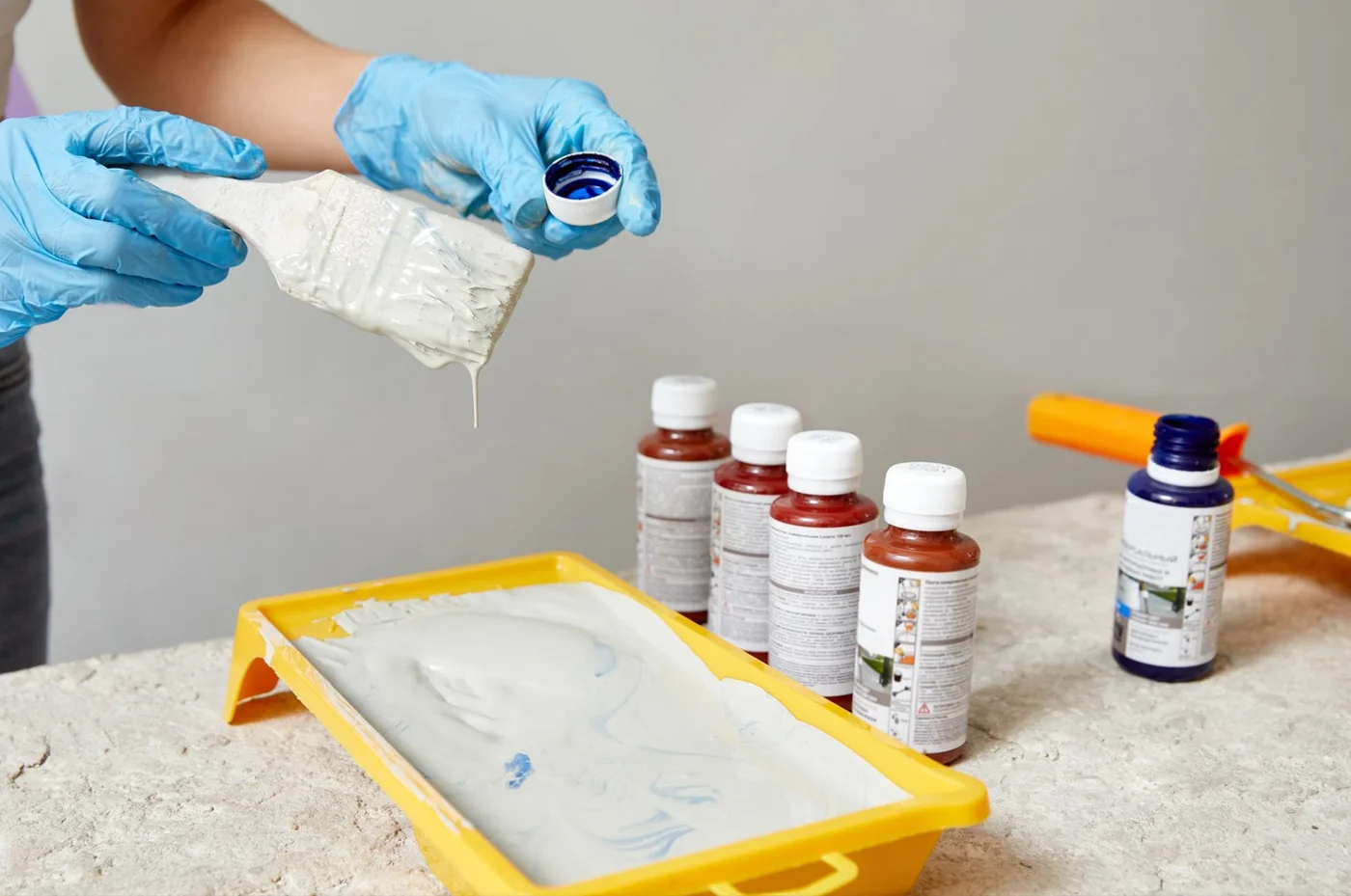
What Is Liquid Polyurethane?
Liquid polyurethane is a polymer formed by the chemical reaction between isocyanate and polyol components. It can be produced in rigid or flexible forms and formulated with different densities and viscosities to suit requirements. Adjusting component ratios creates formulations for specific applications.
Polyurethane foam can likewise be tailored to different applications by changing component ratios. These foams offer similar benefits and play a vital role in insulation. Prices vary with density, application and formulation. Visit the Polyurethane Foams page for more information.
Properties of Liquid Polyurethane
Liquid polyurethane is used in many sectors for its technical advantages:
Waterproofing
- Forms a waterproof barrier that protects buildings and structures from external influences.
- Can create a durable waterproofing layer when the right product and application conditions are used.
Flexibility and Durability
- Its elastic structure minimises cracking and breakage.
- Offers high mechanical strength.
Chemical Resistance
- Chemical resistance varies with the formulation and the substance in contact; check the product’s technical table.
- Offers lasting service on industrial surfaces exposed to chemicals.
UV Resistance
- UV and weather resistance depend on the product type. Choose a suitable formulation or protective topcoat for outdoor use.
- Assess colour and surface durability using the selected coating system’s technical information.
High Thermal Insulation
- Do not assume that liquid polyurethane coatings provide the same thermal insulation as polyurethane foam.
- Evaluate the system’s thickness and thermal conductivity separately for insulation purposes.
Easy Application
- Can be applied by roller, brush or spraying.
- Dries quickly and creates a durable surface.
Polyurethane foams offer similar benefits and are important insulation solutions. Their prices vary according to density, application and formulation.
How to Apply Liquid Polyurethane
Careful surface preparation is essential. The application process follows these steps:
- Surface preparation: The surface must be clean and free from dirt, dust, oil and moisture.*
- Primer: A primer is recommended to improve polyurethane adhesion.*
- Polyurethane application:
- Apply manually with a roller or brush.
- Spray to create an even coating.
- Use moulding to produce special shapes.
- Drying: Follow the technical instructions for surface drying and full hardening times; temperature, humidity and application thickness can change these times.
Uses of Liquid Polyurethane
Liquid polyurethane provides different but related solutions across many sectors:
- Construction: Used in insulating and waterproofing coatings.
- Automotive: Chosen to make flexible, durable interior components.
- Furniture and textiles: Supports ergonomic designs.
- Marine: Provides effective insulation for boats and ships.
Which surfaces can liquid polyurethane be applied to?
It can be applied to various surfaces, including concrete, metal, wood and ceramics.
How long does liquid polyurethane take to dry?
Full drying time varies with formulation, thickness, temperature and humidity. Follow the selected product’s technical instructions.
How much does polyurethane foam cost?
Polyurethane foam has become popular in construction and insulation in recent years for its high insulation performance. Prices vary with quality, production method and materials. Usually calculated per square metre, costs rise or fall according to the quantity a project requires.
Bulk discounts may be available, especially for large applications. Intended use, thickness and density also influence prices. Visit the Selsil website for more information.