
What Is Thermal Insulation, and How Is It Installed?
Thermal insulation keeps indoor temperatures stable and reduces outside influences. It is particularly applied to building facades, roofs, floors and surfaces adjoining unused spaces. It also covers areas where heat can escape, such as service pipes. It saves energy and helps create environmentally responsible, comfortable and healthy living spaces.
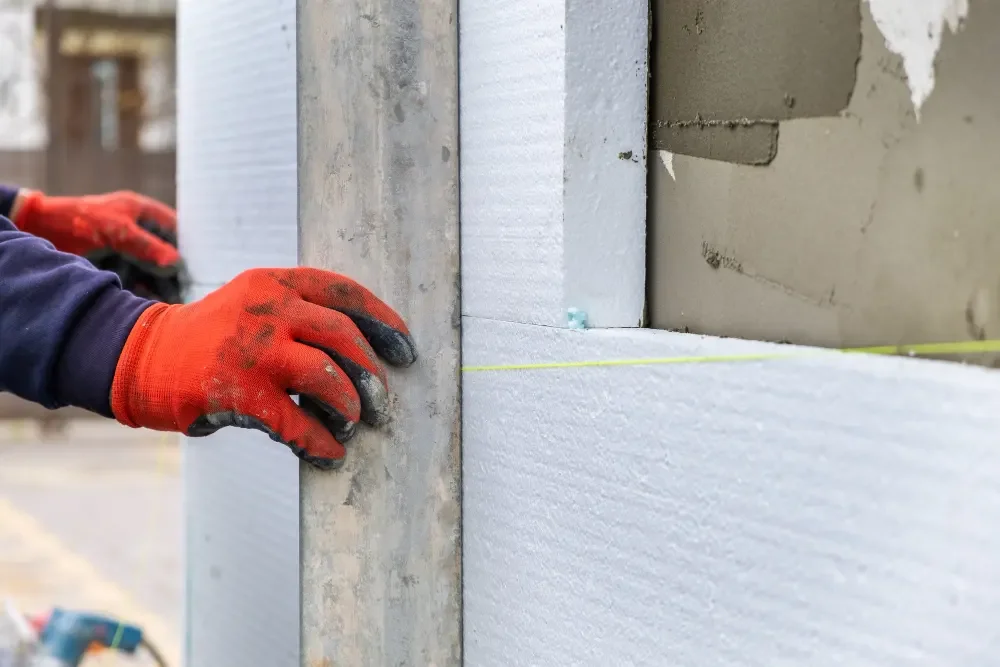
What Is Thermal Insulation?
Thermal insulation protects buildings from external conditions and keeps indoor temperatures at an ideal level. Its main purpose is to reduce heat transfer, keeping rooms warm in winter and cool in summer. Materials in walls, roofs, ceilings and floors stop outside heat or cold entering and prevent indoor heat escaping. This saves energy and reduces heating and cooling costs. Insulated buildings are more comfortable and sustainable. Choosing suitable materials improves energy efficiency and reduces environmental impact.
How Is Thermal Insulation Installed?
Requirements vary with climate. In cold areas it keeps interiors warm, while in hot areas it helps them stay cool. Both save energy and improve comfort. Effective installation follows the right sequence. Identify areas needing insulation: walls, roofs, floors, windows and doors. Then choose materials appropriate to the building and local climate. Thicker materials may be preferred in cold climates, while lighter, breathable materials may be used in hot climates. Specialist teams install the materials professionally. Afterwards, inspections and airtightness tests check efficiency. Completing these stages provides effective insulation.
Where Is Thermal Insulation Used?
On flats and detached homes, facade and roof insulation prevent heat loss and reduce cooling costs, lowering energy bills. In hospitals and schools, it improves comfort for patients, students and staff and increases efficiency. It is also important in government buildings and offices. Industrial facilities and factories save energy and optimise production with insulation. Unused spaces such as garages and storage rooms can be conditioned more economically too. Insulation is also applied to floors, windows and doors. Insulating heating and cooling pipework minimises energy loss and improves system efficiency.
What Materials Are Used?
Materials vary with building type and climate. Common options include:
- Glass wool.
- Stone wool.
- EPS (expanded polystyrene foam).
- XPS (extruded polystyrene foam).
- Polyurethane foam.
- Cork boards.
- Insulation panels and boards.
What Are the Benefits?
Reducing heat loss lowers gas and electricity consumption and heating and cooling costs, helping household and business budgets. Lower CO₂ and SO₂ emissions protect the environment. Insulation keeps indoor temperatures stable regardless of outside weather, creating comfortable spaces. It also prevents damp and mould for healthier surroundings. It improves building durability and protects against external conditions. Efficient energy use contributes to sustainability for individuals and society.
- Reduces the risk of fungi and damp, supporting healthy, comfortable buildings.
- Minimises incoming cold and hot air to create more comfortable interiors.
- Can reduce operating expenses as well as energy costs.
- Reduces fuel use and emissions of gases such as CO2 and SO2 alongside other energy-saving measures.
- Helps conserve natural resources by reducing dependence on energy supplies, an important universal benefit for the future.