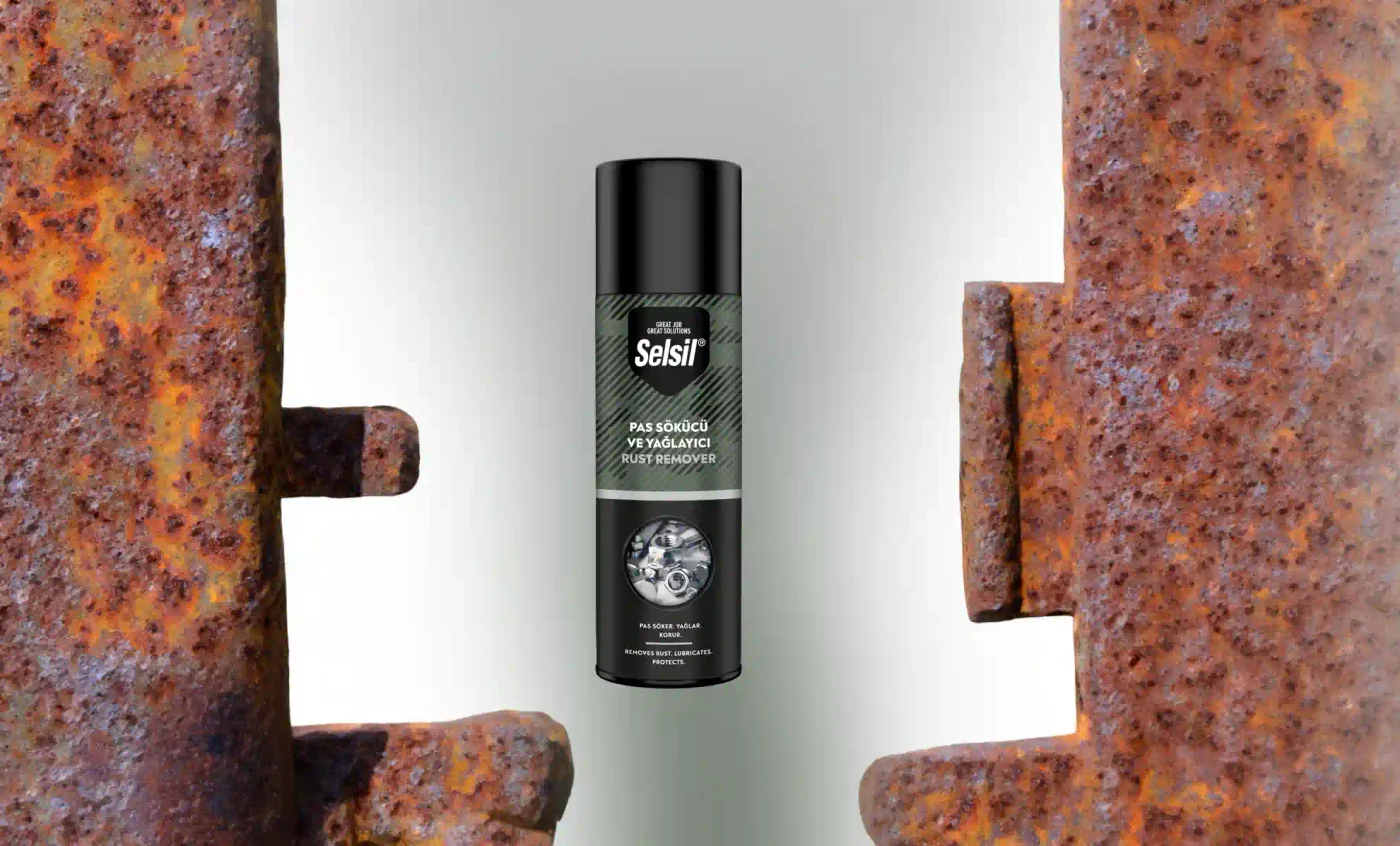
What Removes Rust Most Effectively?
Rust on metal looks unsightly and gradually damages the material, shortening its life. What removes it most effectively? Which methods can you use at home, and what professional solutions are available? This guide gives clear, practical answers to all these questions.
What Is Rust, and Why Does It Form?
Rust is a reddish-brown deposit formed when metals such as iron and steel react with oxygen and moisture. It usually appears in damp environments, especially outdoors and on surfaces in contact with water. These conditions increase exposure to oxidation, causing rust to develop quickly. Over time, it spreads across the surface, weakening the metal, damaging its structure and eventually preventing it from functioning. Early action is essential to prevention. Regular checks and protective measures where needed help reduce its effects.
What Removes Rust Most Effectively?
Several cleaning methods are available: household solutions, chemical rust removers and mechanical methods.
Chemical Rust Removers
Chemical removers are among the most effective professional products. They dissolve accumulated rust and help protect metal surfaces. Rust removal sprays or gels provide deep cleaning on car parts, bicycle chains and door hinges in particular. Dissolving rust while protecting the metal makes the problem easier to manage. Quick, effortless application makes the work much simpler.
Household Methods
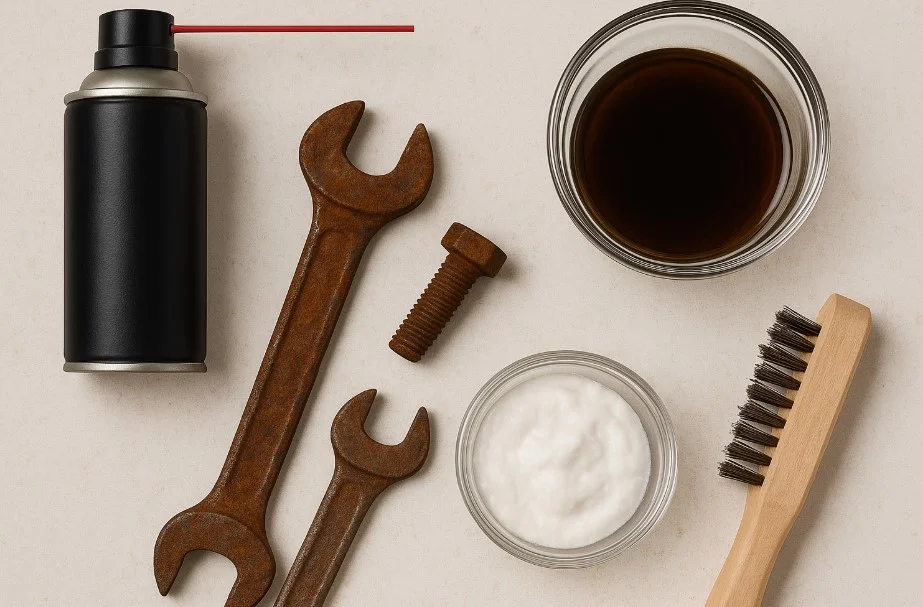
Household ingredients can also remove rust. Vinegar is a simple way to soften it: place the rusty part in a container and add enough vinegar to cover it. After 12 hours, brush away the rust. This is particularly effective on surface rust. Baking soda and water offer another method: make a paste, apply it and clean with a brush to remove rust quickly. Lemon juice and salt are another effective combination. Acid and abrasive crystals work together, particularly well on small surfaces. Potato and washing-up liquid provide another option. Rub a cut potato over the rusty surface, add washing-up liquid and brush to help remove the rust. This suits small areas, but a professional remover is recommended for deeper treatment.
Mechanical Cleaning
Rust can also be removed physically. Sanding is one of the most common methods: remove the rusty layer, then apply rust protection. Steel wool or wire scourers are another practical, economical household option, particularly effective on pans and sinks. Mechanical cleaning can scratch surfaces, however, so work carefully and check suitability.
Ways to Prevent Rust
Prevention matters as much as removal. Keep metal surfaces away from moisture and make sure items stay dry. Use protective spray or varnish to shield surfaces from external factors and reduce the risk of rust. Apply a corrosion inhibitor after cleaning with rust remover to extend metal life and substantially prevent rust. Protect outdoor items from rain by covering them or moving them to a sheltered place.
Which Rust Remover Is Better?
The fast-acting formulations of Selsil Rust Remover and Lubricant Spray offer an important advantage. They quickly clean rusty metal without wearing it away, providing lasting use. These removers form a protective film after application.