
What Can You Use to Secure a Screw?
Loose screws, objects that wobble over time, or connections at risk of damage when dismantled: threadlocking products are the first solution that comes to mind. How can you keep screws firmly in place, and which products work best? Explore the details below.
When Should You Use Threadlocker?
Threadlocker is particularly important where vibration is constant, including motorcycle, bicycle and household appliance connections. Frequent loosening can affect safety and performance. Threadlocker is an effective solution for repeatedly loosening screws and bolts, improving assembly security and reducing maintenance needs. It is also useful for permanent or semi-permanent fixings. In furniture assembly, electronics and automotive components, it helps parts stay correctly and securely joined.
What Should You Use to Secure a Screw?
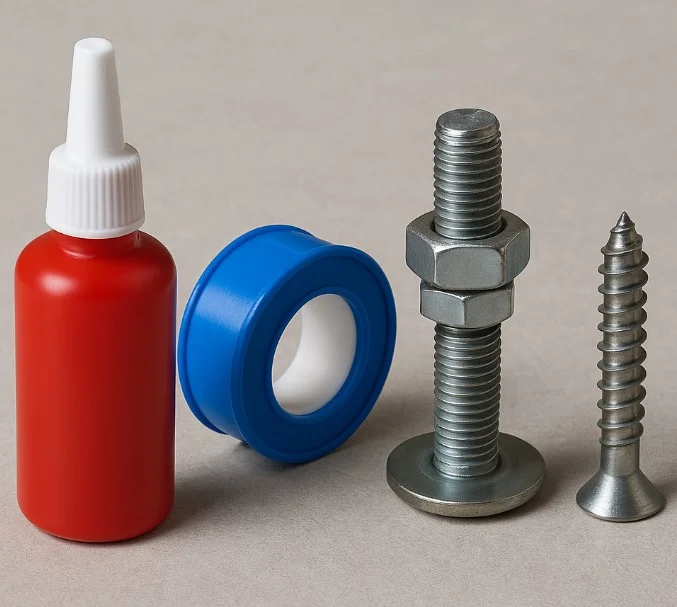
Several methods are available. PTFE tape wrapped around loose threads provides temporary grip. It is practical as a short-term solution but may lack lasting reliability. A sealing washer can increase resistance to vibration and help keep the screw in place. Using two nuts is another effective method of preventing loosening and securing the fastener. The most lasting, professional solution, however, is always a high-quality threadlocker.
How to Apply Threadlocker
The screw and threaded surface must be clean and dry. Remove dirt and grease first. Apply a small amount of liquid threadlocker to the screw threads, then assemble the parts immediately, ensuring correct alignment. Initial drying generally takes 10–15 minutes, but allow 24 hours for full curing. Avoid moving the parts during this period.
Can threadlocked bolts be removed again?
Threadlocker is important in assembly and repairs. Medium-strength grades are usually removable, allowing screws and bolts to be dismantled when needed and making maintenance easier. High-strength grades create stronger bonds and can be harder to remove.
When should threadlocker not be used?
Threadlockers generally work on metal components. Avoid high-strength grades on plastic parts or connections that will be removed and reused.
Where do you apply threadlocker?
Applying 1–2 drops around the middle of the threads is usually sufficient; covering the entire screw is unnecessary. This keeps the screw firmly in place and improves connection reliability.