
Where Should You Apply Brake Cleaner?
The braking system is one of a vehicle’s most critical safety features. Dirt, oil and dust build-up can reduce braking performance over time. This is where brake cleaner comes in. Many drivers, however, do not know exactly where or how to apply it and can encounter problems from incorrect use.
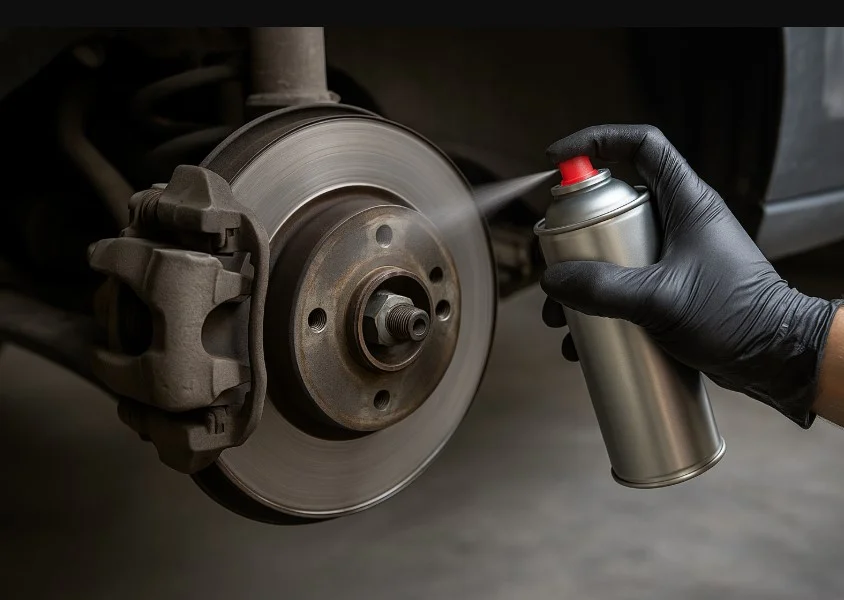
Where Should You Apply Brake Cleaner?
The key rule when using brake cleaner is to apply it only to dedicated braking system components. Spraying it onto the wrong surfaces can cause serious damage.
Brake Discs
Dust and oil on the discs directly affect braking performance. Spray directly onto the discs to dissolve all surface contamination.
Brake Pad Surfaces: Indirect Application
Do not spray directly onto the pads’ friction surfaces. Instead, once the pads have been removed, apply it to their metal parts and connection points. This removes excess dust and dirt.
Brake Drums
Brake dust and dirt that accumulate in rear-wheel drum systems can be cleaned safely with the spray.
Calipers and the Surrounding Area
Brake cleaner can safely remove oil or grease residue from calipers. However, do not allow it to contact the caliper piston seals or dust boots directly.
Precautions When Using Brake Cleaner
Raise and secure the vehicle: before application, lift the car with a jack and secure it with chocks. This is important for your safety and for carrying out the work correctly.
Apply only to cold components: on hot brakes, the spray’s volatility and flammability can pose a risk. Wait for the parts to cool before application.
Keep away from electronics: avoid spraying ABS sensors or cables. Take care to prevent damage to electronic components.
Do not confuse it with brake fluid: the spray does not replace hydraulic fluid; it is for cleaning only.
Avoid excessive use: the spray works when applied in sufficient quantities. Too much can cause rubber parts to harden.
Can You Spray Brake Cleaner onto Wheels?
No. Brake cleaner can damage wheels and erode their paint. It is designed specifically for the braking system and is unsuitable for wheels. When its chemicals contact delicate wheel surfaces, they can damage the coating and structure. Use it only on brake components. Choose a dedicated wheel cleaner instead. Using brake cleaner outside its intended purpose can cause unwanted maintenance problems.
Does Brake Cleaner Stop Brake Noise?
No. Brake cleaner is not an effective solution for squeaking brakes. It is for cleaning only. It generally removes dust and dirt but has no noise-eliminating property. Brake noise can be caused by wear or incorrect installation. Persistent noise may mean that the pads are worn or the braking system has been assembled incorrectly.
Can Brake Cleaner Be Used on Engine Components?
Selsil Brake Cleaner is specified for removing oil and brake dust from the braking system. Do not assume it is suitable for engine or electrical components. Choose an engine or contact cleaner suited to those applications and follow its instructions.
Can Brake Cleaner Replace Brake Fluid?
No. Brake fluid is necessary for the hydraulic system to operate. Brake cleaner is used only for cleaning.