10 Essential Chemical Products for Small Home Repairs
Essential chemical products for small home repairs are practical materials for sealing cracks, waterproofing, bonding, filling, preparing surfaces and minor installation work. Choosing the right product makes jobs such as loose tile edges, gaps around door trim, detached skirting boards, leaking basin edges or fine wall cracks easier and cleaner. Each product has a different job: silicone seals against water, acrylic sealant fills paintable cracks, mounting adhesive holds heavy parts, foam fills gaps and fast-setting glue repairs small breaks.
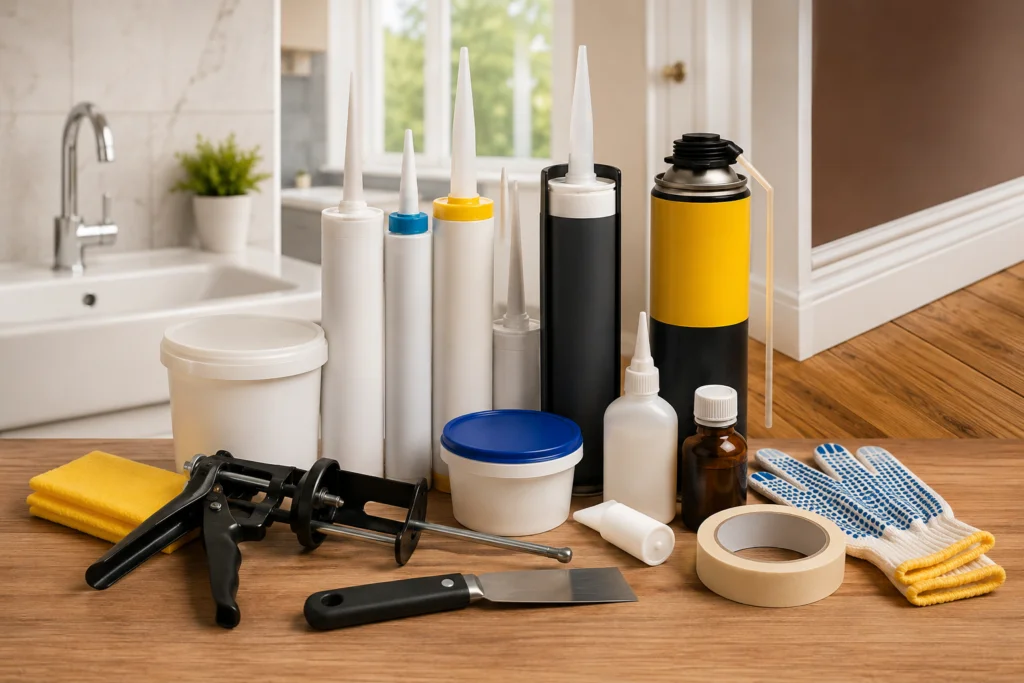
When choosing products for home use, consider surface compatibility, drying time, odour, indoor or outdoor suitability and cleaning methods. A lasting-looking repair often comes from putting the right material in the right place. Small precautions make chemical products easier to work with. Wear gloves, ventilate, keep packaging closed and wash your hands after use. In homes with children, keep products in a locked cupboard and store open cartridges or tubes away from food areas.
Silicone Sealant
Silicone sealant is an essential product for sealing basins, shower enclosures, kitchen worktops, window edges and wet areas. Its flexibility reduces cracking risk in moving joints. Mould resistance and adhesion matter where water contact occurs. Remove old silicone residue and leave the surface dry before application. A thin, continuous bead looks neater. Removing excess before it dries gives a better finish.
Acrylic Sealant
Acrylic sealant is practical for wall cracks, door and window edges, skirting gaps and small corrections before painting. Its main advantage is paintability. It is easy to use indoors on gypsum, plaster, concrete, wood and similar surfaces. In constantly wet areas, it may be less durable than silicone. For deep cracks, layered application gives a cleaner result than a single thick fill. Wait for drying before painting.
Mounting Adhesive
Mounting adhesive secures loose skirting, decorative panels, wooden strips, hook bases and rigid accessories. It provides strong grip where screws are unwanted. Consider the part’s weight and the wall’s condition. Dust, damp and blistered paint weaken adhesion. Even with strong initial grab, temporary support gives reassurance for heavy parts until drying is complete. Apply without excess spilling from the edges.
Fast-Setting Adhesive
Fast-setting adhesive is useful for ceramic ornaments, plastic pieces, small metal details, broken toys, accessories and minor household breaks. Very little is needed. Too much can leave white marks rather than improve adhesion. Avoid finger contact and keep it out of children’s reach. Test on porous surfaces, where absorption is higher. Flexible or impact-prone parts may need a more suitable adhesive.
Polyurethane Foam
Polyurethane foam fills and insulates around door frames, window gaps, pipe penetrations and wall openings. Expansion fills the space and reduces sound and heat transmission. Control the amount carefully: excess foam can expand and overflow. Once cured, it can be cut and suitably covered. Gloves, floor protection and shaking according to instructions keep the job clean. Protect exposed foam from sunlight and impact.
Grout
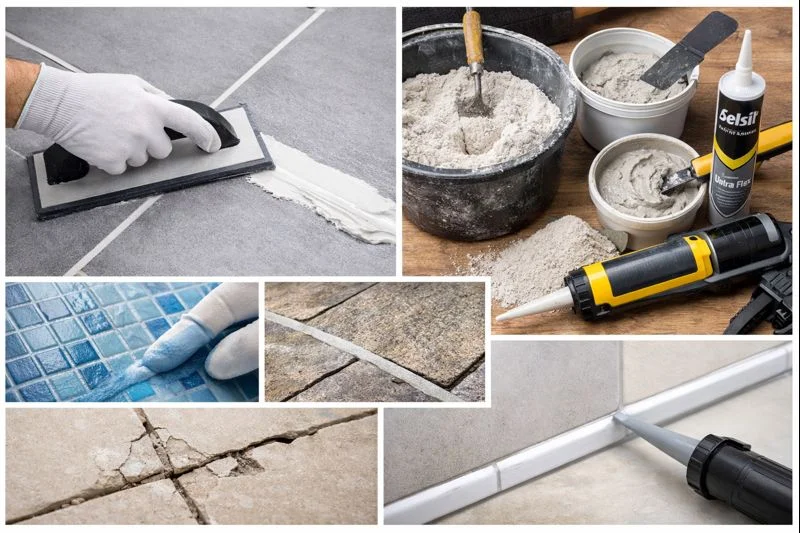
Grout fills gaps between tiles. Open joints in bathrooms, kitchens and balconies spoil the appearance and can allow leaks. A colour close to the existing surface makes repairs look natural. Scrape away loose old residue and clean before application. After spreading, remove excess with a damp sponge. Avoid early water contact while it dries.
Rust-Removal and Lubricating Spray
Rust-removal and lubricating spray tackles squeaking hinges, seized screws, rusty locks, stiff mechanisms and movement problems on metal. A fine nozzle makes direct application easier. Too much spray can leave an oily film. Keep it off wood, fabric and delicate painted areas for a cleaner result. Waiting a few minutes can help a rusty part move more freely. Keep away from fire and high heat.
Surface-Cleaning Spray
Surface-cleaning spray helps remove grease, dust and dirt before bonding or sealing. Products applied to dirty surfaces can soon lift at the edges. Choose a suitable formulation for metal, glass, ceramics and plastic. A small test on delicate materials reduces marking risk. Wait until the surface is completely dry after cleaning. Adhesive applied to wet or greasy areas performs below expectations, however good the product is.
Epoxy Adhesive
Epoxy adhesive suits small household jobs needing a stronger repair. Its two components harden after mixing and create a durable joint. It can work successfully on metal, ceramics, stone, glass and rigid plastics. Observe the mixing ratio. Poorly mixed epoxy remains weak, while leaving it too long can make it harden before application. Prepare the parts beforehand because working time is short. Do not load the joint before drying is complete. Ventilate when using strong-smelling types.
Liquid Gasket
Liquid gasket is a specialist product for small sealing jobs, connections and certain technical components. At home, it may be considered for under-basin connections, simple plumbing surrounds or fine leak risks on suitable surfaces. It does not solve every plumbing problem alone. Critical points exposed to pressure, heat or constant water may require professional help. Surface cleaning and drying time directly affect performance. Chosen correctly, it offers a practical addition for minor leaks.
A basic home-repair kit need not be excessive. Silicone, acrylic sealant, mounting adhesive, fast-setting glue, polyurethane foam, grout, rust-removal spray, surface cleaner, epoxy and liquid gasket provide a useful starting set for many small jobs. Store them in a cool, dry place out of children’s reach. Reading instructions, wearing protective gloves and testing a small area help achieve cleaner, safer and more lasting results. Small packs are more practical for home use. Large packs may sit open, lose consistency and fail to perform as expected when needed.