
Acrylic Sealant: Make Building and Repair Work Easier
Acrylic sealant is one of the most widely used filling and adhesive products in building and repair work. It offers ideal solutions for sealing cracks, filling gaps and preventing water and air leakage. Its water-resistant, flexible and environmentally friendly formulation suits both professional and DIY use. If you want to save time while achieving stronger, neater results on building projects, acrylic sealant could be the right choice.
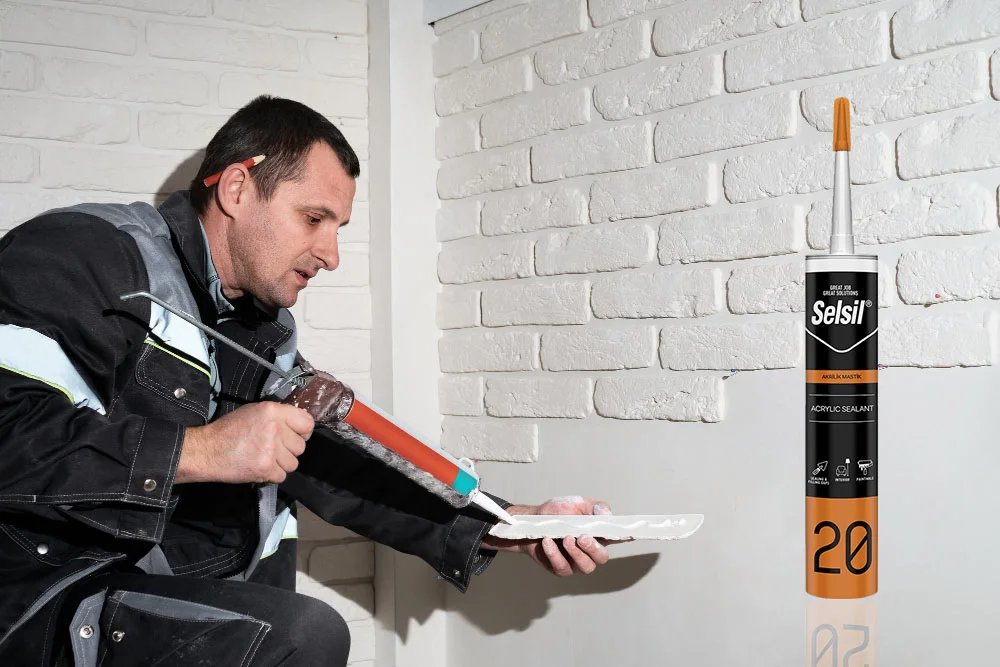
What Is Acrylic Sealant?
Acrylic sealant is a water-based, solvent-free filling material. Its adhesive properties create a strong bond between different building materials, making it important in construction and decorating. It is particularly effective for repairing cracks, holes and uneven surfaces. The fact that it can be painted once dry makes it even more widely used. Indoors, it is chosen for decorative work to improve the appearance of walls and other surfaces. Easy application and quick drying make it popular with professionals and DIY users alike. Acrylic sealant is water-resistant and withstands various weather conditions.
Properties of Acrylic Sealant
Acrylic sealant is a paintable material for filling and decorating. Once dry, Selsil Acrylic Sealant forms a waterproof layer and retains its flexibility for a long time. These properties do not guarantee resistance to continuous water exposure in every bathroom or kitchen joint, or freedom from cracking under every kind of movement. The surface, joint movement and exposure conditions must fit the product’s application scope. Paintability helps it blend with the surrounding finish; follow the product instructions for application and painting.
Where Is Acrylic Sealant Used?
Acrylic sealant has a wide range of uses for professional building companies and DIY users. It provides an effective way to repair cracks in walls and ceilings and is frequently used when installing door and window frames. It is ideal for sealing interior joints to improve insulation. It is also useful for filling gaps between prefabricated components and joints in plaster and plasterboard. It is chosen to seal joints between roof and facade panels as well. With strong performance on porous surfaces such as concrete, plaster and wood, acrylic sealant plays an important role in many building projects. However, silicone sealant should be used for better performance in areas continuously exposed to water.
How Do You Apply Acrylic Sealant?
Application may look simple, but the right technique gives the best results in both durability and appearance. You will need an acrylic sealant cartridge, a sealant gun, a cutting knife, a spatula or finishing tool, a clean cloth and water. Masking tape is optional. Before you begin, the surface must be clean, dry and free from dust and grease. Protect delicate areas with masking tape if needed. Place the cartridge in the gun, cut the nozzle to the required opening and dispense the product onto the surface. Take care to apply a smooth, even bead. Afterwards, smooth it with a spatula. Remove excess sealant before it dries, and wash the tools with water. These steps improve application quality and give a neater finish.
How Silicone and Acrylic Sealants Differ
Acrylic and silicone sealants differ significantly in their properties. Acrylic sealant offers partial water resistance and can tolerate some water exposure once dry. Silicone sealant performs much better in this respect and is known for its high water resistance. Acrylic sealant can be painted, whereas silicone sealant cannot. Acrylic is therefore a good choice for decorative work. Acrylic sealant has moderate flexibility, while silicone is highly flexible. Their applications reflect these differences: acrylic is generally used indoors and on porous surfaces, while silicone is preferred for wet areas, glass and ceramics. Surface drying and full curing depend on the product chemistry, joint thickness, temperature and moisture. Do not compare acrylic and silicone products using fixed drying times; check the conditions in their technical information.
Benefits of Using Acrylic Sealant
Acrylic sealant offers useful benefits for professionals and beginners alike. It is easy for anyone to apply. The process requires no complicated techniques, making the work more straightforward. In suitable joints and conditions, acrylic sealant accommodates surface movement and retains flexibility. This is not a guarantee against cracking under every condition. This is particularly important outdoors. It also suits anyone looking for a neat finish: it fills cleanly and becomes invisible after painting, preserving the appearance of the surface. Its environmentally friendly, low-VOC formulation is another advantage, keeping the use of harmful chemicals to a minimum. Acrylic sealant is a cost-effective solution, providing high performance at an economical price.
Frequently Asked Questions
Is acrylic sealant waterproof?
Yes, acrylic sealant resists water once dry. However, silicone sealant is recommended for areas in constant contact with water, as it offers better resistance to its effects. Acrylic sealant is ideal for general use.
Can acrylic sealant be painted?
Yes. Acrylic sealant is designed for walls and other surfaces and can be painted once it has dried after application.
What surfaces can acrylic sealant be used on?
Acrylic sealant gives excellent results on porous surfaces such as concrete, plasterboard, wood and plaster. Its waterproof properties also allow confident outdoor use. It is particularly effective for filling structural gaps.
Can Selsil sealant be used outdoors?
Yes, Selsil sealant can be used outdoors. However, choose an appropriate product where the water-sealing requirement is high. More elastic formulations may be preferable outdoors to provide better protection against changing weather. Choosing correctly gives effective, lasting sealing.
You may also like: What Is Polyurethane, and Where Is It Used?
Related Products
Related Categories
Related Articles
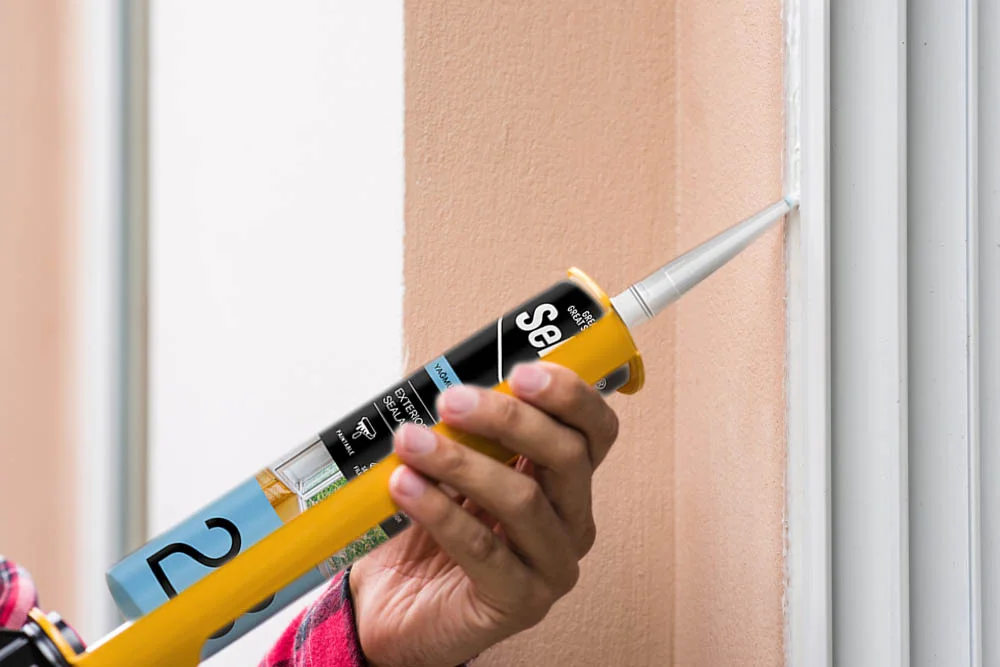
Silicone and Other Sealants: What Is the Difference?
Silicone and other sealants are widely used in interior fitting and façade applications. Although they serve similar purposes, their properties and performance differ. Explore the differences below.
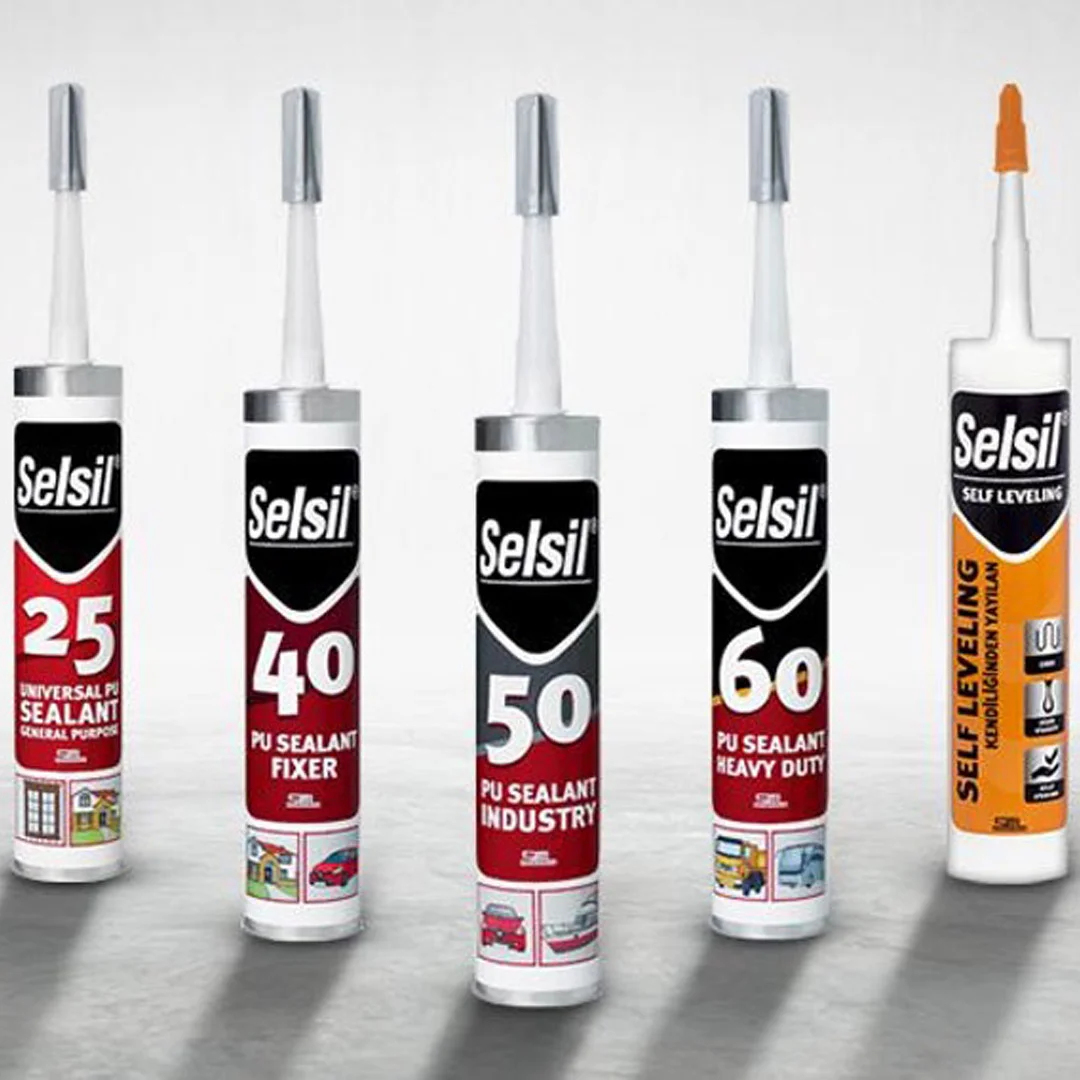
What Is Polyurethane and Where Is It Used?
Polyurethane is a familiar name in construction and the manufacture of many everyday products. Discovering what it is and where it is used may surprise you. This material makes life easier in almost every area, and its past and present are equally interesting.