
How to Apply Polyurethane Foam
Polyurethane foam is used for filling and insulation. Commonly chosen to fill gaps, it also provides effective sound and thermal insulation. Suitable polyurethane foam used for pipe insulation reduces heat exchange and contributes to energy savings.
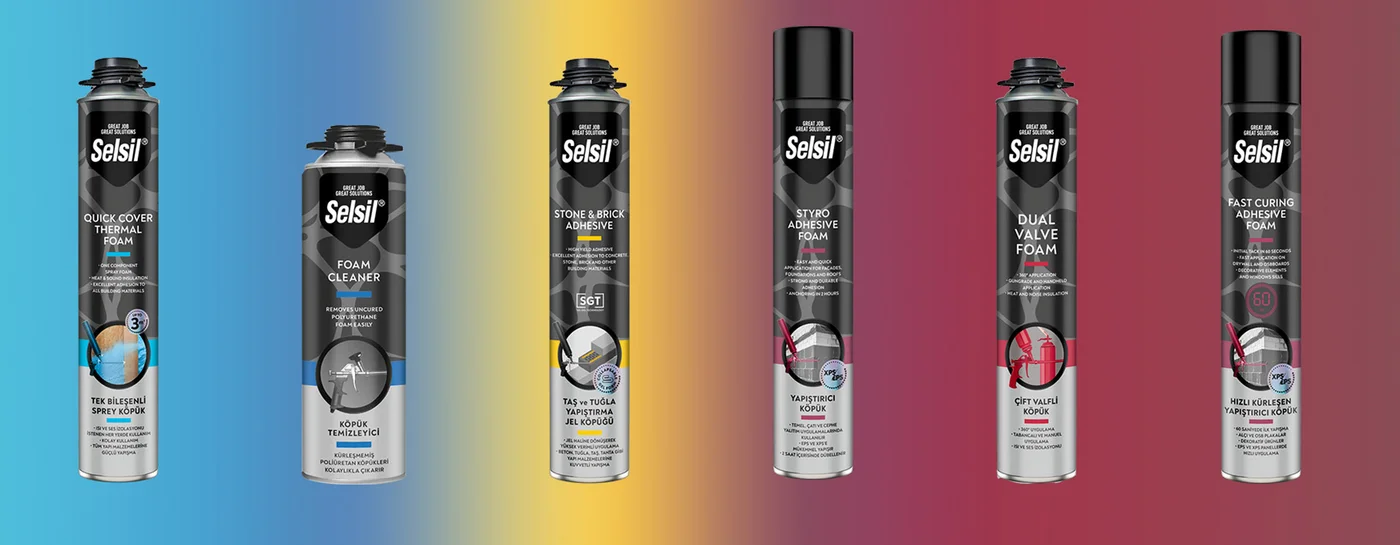
Polyurethane foam is easy to use and can be applied by spraying or as spread-on foam. Specialist equipment distributes sprayed foam evenly over the surface, while spread-on foam can be used in areas of a particular thickness. Its high insulation performance makes it popular in construction, furniture manufacture and automotive production. Benefits in thermal, sound and water insulation make it a versatile material.
What Is Spray Polyurethane Foam?
Spray polyurethane foam is used in many industrial and structural applications. Liquid polyurethane is sprayed onto surfaces and expands rapidly into foam. It fills gaps around doors and windows, provides very good sound insulation and has waterproof properties. Its adhesive properties also join materials firmly for structural durability. It is difficult to remove after application, however, so mistakes can be hard to correct. For fresh foam, use a surface-compatible foam cleaner according to its instructions. Do not expect the same solvent effect on cured foam; careful mechanical removal may be needed. Its many advantages make it a popular construction material for sound and water insulation.
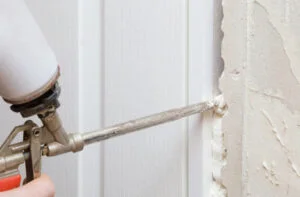
How Do You Apply Spray Polyurethane Foam?
Spray polyurethane foam has many uses. Chemical reactions make it expand, and it is chosen for filling and insulation. Application is straightforward. First ensure the surface is clean, then spray with a dispensing gun. The foam quickly expands to cover the surface and hardens to provide insulation. Different types suit different insulation needs. Energy efficiency, sound insulation and protection against water make spray foam a widely used construction insulation material.
Insulating Facades and Walls with Polyurethane Foam
Polyurethane foams effectively insulate facades and walls. Their lightweight, flexible structure is easy to apply. A layer protects a building’s walls and facade from external factors. The high thermal insulation provided by foam dispensing technology also saves energy. High resistance to water and moisture prevents decay or deformation. Polyurethane foam provides an optimum indoor environment and high-performance insulation.
Where Is PU Foam Used?
PU foam is widely used around doors and windows. Its insulation properties suit many areas, with an important role in construction thermal and sound insulation. Limiting heat and sound transmission makes energy use more efficient. It also insulates cold stores and refrigeration systems. In automotive applications, it reduces sound and vibration on interior and exterior surfaces. Its light weight and ease of shaping also make it popular in packaging. These insulation properties account for its broad use across different industries.
What Types of PU Foam Are Available?
Polyurethane foam is known for expansion and is generally used to fill gaps. One option is foam applied with a straw-type dispensing gun, allowing controlled application. Widely used in construction, foams are available in different thicknesses and densities for different purposes, particularly thermal, sound and water insulation. They are ideal for filling gaps and insulating surfaces.
Take the next step towards the insulation you want. Discover the quality of Selsil polyurethane foams. Our tailored solutions help you save energy, increase comfort and make living spaces more efficient.