How to Use Engine Cleaner Spray
Engine cleaning is more than a cosmetic task. Regular, correct cleaning preserves performance, extends component life and helps reveal faults early. However, cleaning with water, especially on engines with electronic systems, can cause short circuits, oxidation and permanent damage.
Engine Cleaner Spray
What Is Engine Cleaner Spray?
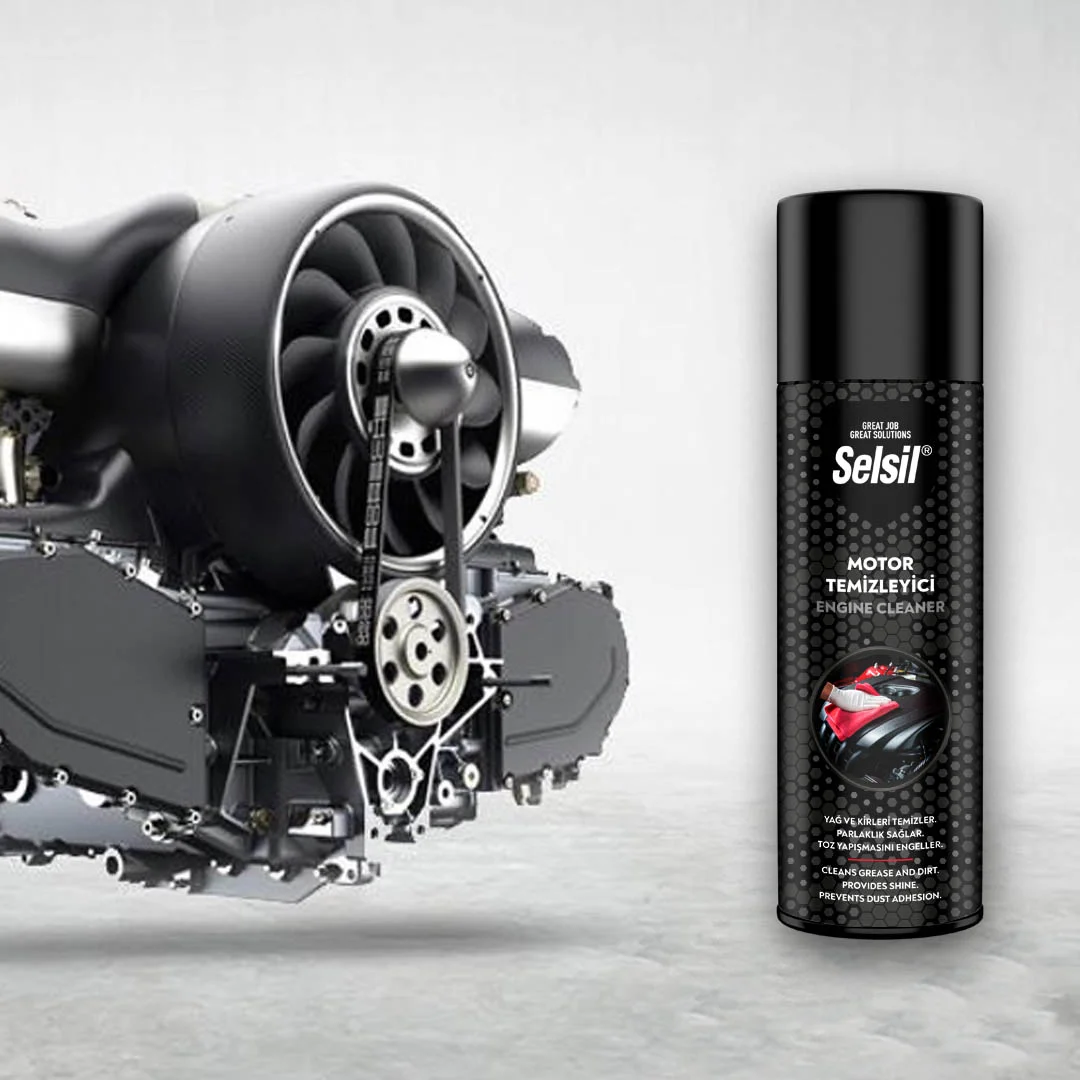
Engine cleaner spray is a maintenance product for removing oil and dirt from the engine bay. Selsil Engine Cleaner Spray cleans oily residue and dirt from engine blocks and suitable surfaces. It is developed for engines with electronics and components that should not be cleaned with water; this does not permit unrestricted application to every electrical connection. It adds shine to plastic and rubber without additional polish, while its antistatic action reduces dust adhesion. Follow the product and vehicle instructions. Surface cleaning does not replace scheduled mechanical maintenance.
Why Clean the Engine?
Many owners focus only on exterior washing. Without regular engine-bay cleaning:
- Oil leaks can go unnoticed
- Heat distribution is adversely affected
- Component life becomes shorter
- Fire risk can increase
- Resale value falls
Cleaning before servicing makes fault diagnosis easier for mechanics.
Selsil Engine Cleaner Spray has an advanced formulation developed for safe use on engines with electronics and sensitive components that should not be cleaned with water.
- Easily dissolves grease and dirt on engine blocks
- Adds shine to plastic and rubber
- Needs no additional polish
- Antistatic properties reduce dust attraction
- Leaves no stains or residue
- Maintains a clean appearance for longer
Product page:
https://selsil.com/motor-temizleme/
How to Use Engine Cleaner Spray
Let the Engine Cool
The engine must not be hot. Applying spray to a hot surface can cause evaporation, stains and a risk of burning. Wait at least 20–30 minutes before application. Start only once the engine has cooled completely.
Remove Loose Dirt
Remove coarse dirt first. Use a dry brush or air gun to clear loose debris, carefully removing leaves, mud and dust. Once the surface is ready, apply the cleaner so it acts directly on the surface and spreads evenly. These steps are essential for good results.
Apply the Spray
Shake the can and spray from 15–20 cm. Distribute evenly over dirty areas without excessive wetting. Focus particularly on the engine block, plastic covers, hoses and rubber parts. Accurate application gives the best results.
Waiting Time
To let the cleaner dissolve dirt:
Wait 1–3 minutes.
You can allow slightly longer for stubborn grease.
Wipe Clean
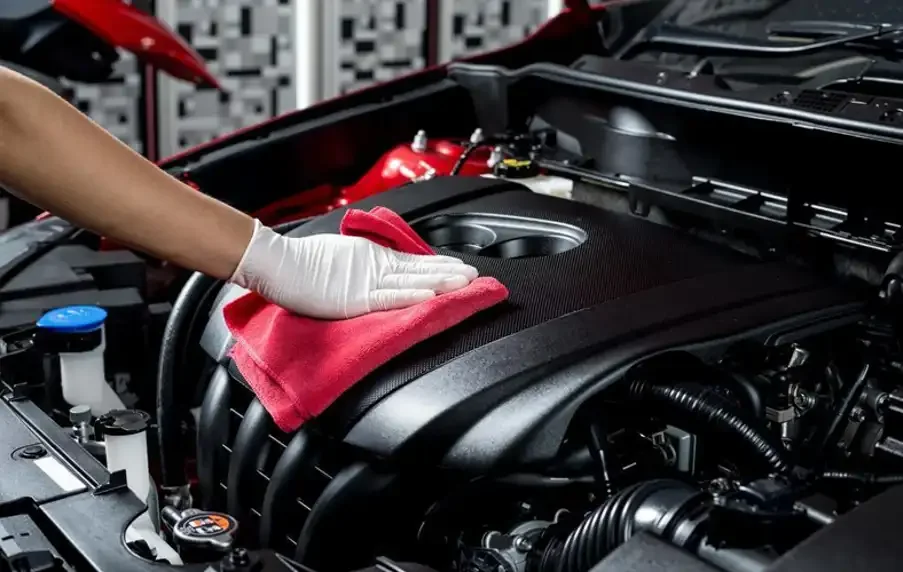
Use a microfibre cloth or soft brush to gently wipe the sprayed surface. Do not rinse afterwards. The spray cleans without residue and gives a natural shine, leaving surfaces hygienic and glossy.
- Make sure no excess product remains
- Check electrical connections
- Ensure everything is fully dry before starting the engine
Which Surfaces Can Engine Cleaner Spray Be Used On?
Selsil Engine Cleaner Spray removes oil and dirt from the exterior of engine blocks and suitable engine components. It adds shine to plastic and rubber. Before using it on injectors, alternators, battery terminals or wiring connections, check compatibility in the vehicle and product instructions. Do not spray directly onto every sensitive part. Do not treat the product as an internal-engine deposit cleaner, rust remover or mechanical performance enhancer. Choose an appropriate maintenance product for brake friction surfaces.
How Often Should You Clean the Engine?
Cleaning helps preserve vehicle performance. Once or twice a year is generally recommended, with more frequent cleaning if you regularly travel on dusty roads. Maintenance prevents dirt and oil buildup. Detailed cleaning by a professional engine-cleaning service extends engine life and helps detect faults early.
Does engine cleaning affect performance?
Cleaning the engine bay’s exterior surfaces removes oil and dirt. It should not be assumed to increase engine power or optimise fuel consumption. Fuel efficiency and power depend on mechanical condition and maintenance; cleaning spray does not replace the mechanical servicing required.
Does engine cleaner spray remove oil stains?
Yes. Its strong solvent properties easily remove stubborn oil and grease from the engine bay. It is practical to use and cleans while protecting engine surfaces.
Can engine cleaner spray be used on a hot engine?
Use engine cleaner spray only once the engine has cooled completely. Hot-surface application can cause evaporation or ignite flammable substances. A merely lukewarm engine, or one cool enough to touch, is not a sufficient measure. Follow the product and vehicle instructions for protecting electrical components, application distance and use.
Can engine cleaner spray produce smoke?
Use it only on a fully cooled engine according to the product instructions. Contact with exhaust manifolds or hot surfaces is unsafe. Do not consider smoke or dense vapour normal or harmless: stop application and follow the safety instructions.
You may also like: How to Use Air Conditioner Cleaner Spray