
Why Use Polyurethane Foam for Thermal and Sound Insulation?
Thermal and sound insulation are vital to the comfort and efficiency of living spaces. Construction specialists seek the most effective solutions, and polyurethane foam stands out for retaining heat and insulating against sound.
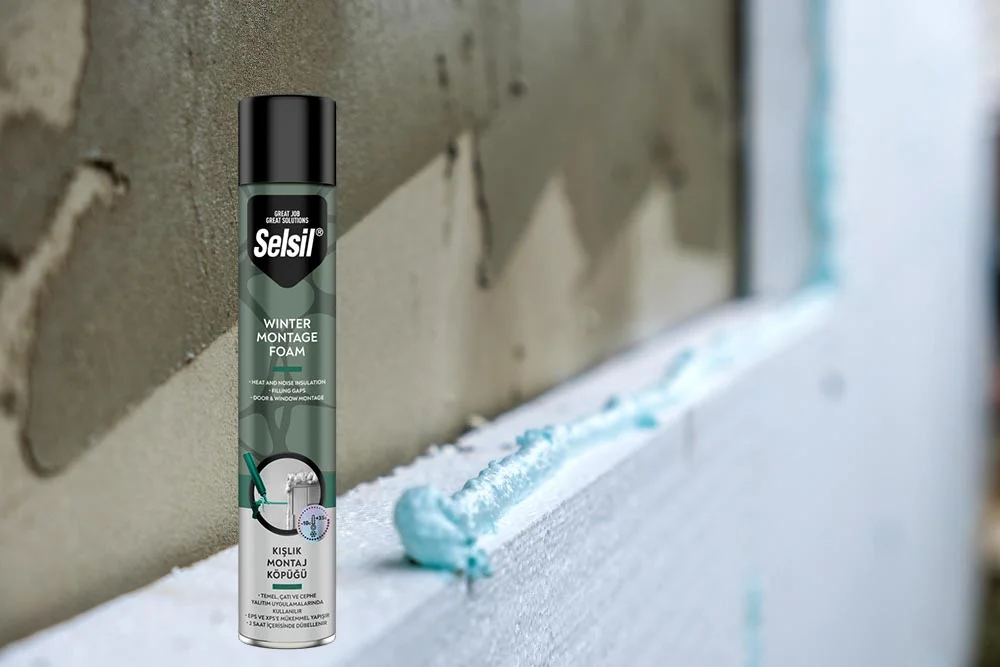
Polyurethane foam, also known as PU foam, is recognised for excellent thermal insulation performance. Its density and flexibility help retain indoor warmth while blocking external noise, contributing to comfortable, quiet living spaces.
Its light, durable structure is a major reason for its popularity in construction. Easy application and lasting performance also make it important for thermal and sound insulation. Using polyurethane in building projects is therefore a significant step towards saving energy and achieving good acoustic insulation. Let us examine its role in more detail.
Chemical structure: Produced through a chemical reaction, this material is light, flexible and durable. Injected in liquid form, it dries solid to provide excellent insulation.
Expansion: Its distinctive ability to expand gives complete coverage of the application area.
Why Is Polyurethane Foam Important for Thermal Insulation?
Thermal insulation is critical to a building. It maintains indoor temperature, limits the effect of outdoor temperatures and saves energy. PU foam has become a preferred insulating material for its high thermal performance and contribution to comfort. It applies easily to various building materials and provides lasting insulation with high compressive strength. It also reduces water-vapour diffusion to help control moisture. These features make it important for thermal insulation, reducing energy loss to support sustainability and comfort.
Why Is Polyurethane Foam Important for Sound Insulation?
Sound insulation is vital for controlling noise inside and outside a building. Polyurethane foam is an important material for this purpose. Its high sound absorption makes it harder for indoor noise to spread outside, creating a more peaceful environment for occupants. Its durable structure also minimises external noise and maintains a quiet interior. These properties make PU foam highly effective for sound insulation.
Benefits of Polyurethane Foam Insulation
Polyurethane offers different thermal and acoustic insulation solutions. Fire resistance and behaviour in contact with water depend on the product and application; they must not be generalised to all PU foams. Its light structure helps limit additional building load. Suitable product selection and correct application are important for energy efficiency and comfort.