
Selsil Plastic Adhesive Syringe
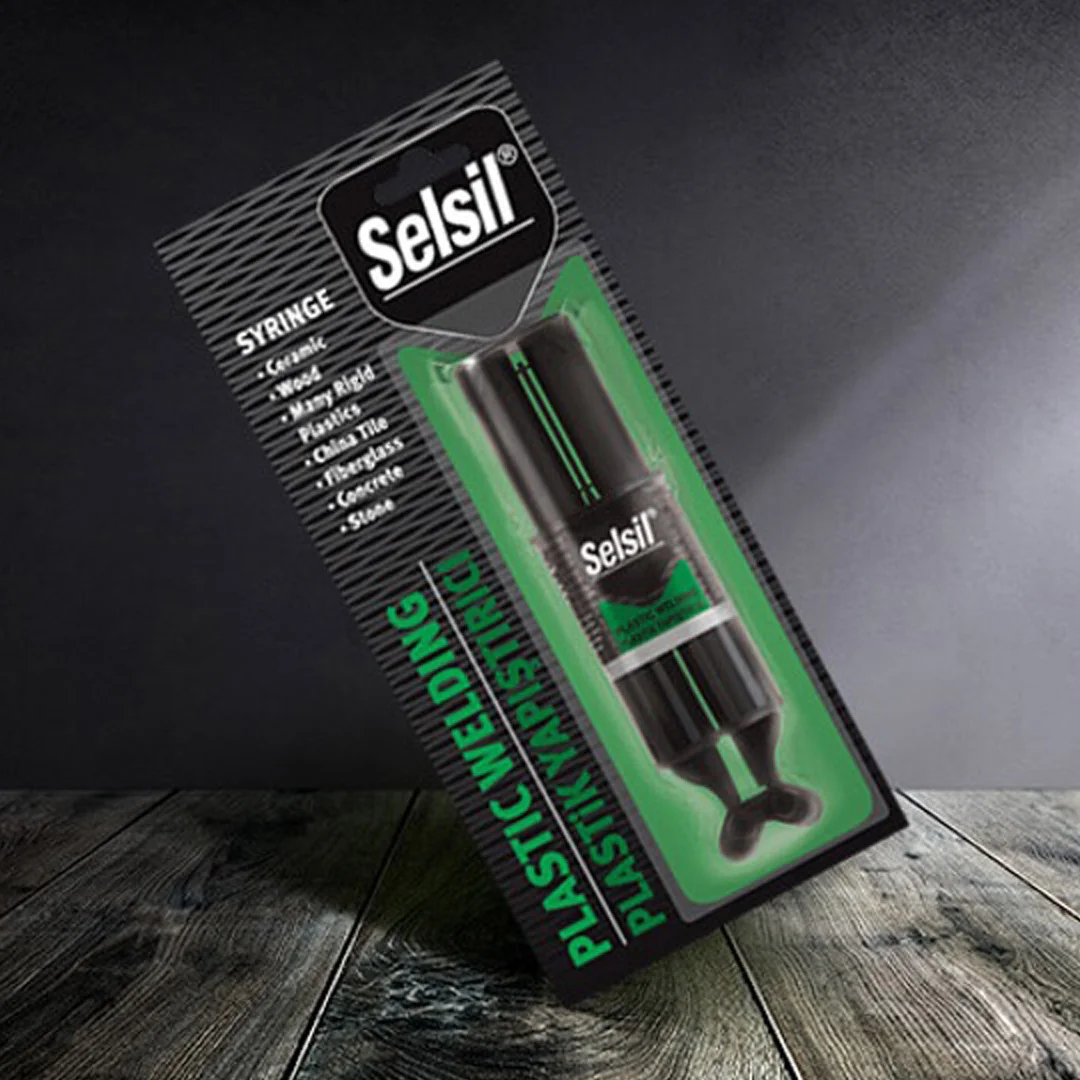
Epoxy adhesives can join many surfaces, but when one is made from rigid or flexible plastic, choose a specialist adhesive designed for the task. Selsil’s Plastic Welding adhesive is made specifically for these jobs.
Plastic Adhesive Features
Selsil Plastic Adhesive Set is based on methyl methacrylate. It suits general-purpose bonding of ceramics, wood, porcelain tiles, fibreglass, concrete, stone and many rigid plastics. It is unsuitable for PE and PP. Like many epoxy adhesives, it develops initial adhesion very quickly, with final bonds ready to resist substantial loads and pressure. It resists moisture, high and low temperatures, harsh weather and chemical exposure. It does not sag over time, retaining its original strength and shape without weakening bonds. It will not adhere to polyethylene or polypropylene and must not be used on those surfaces.
Application is straightforward even for non-professionals who follow the instructions carefully. The adhesive is ideal for rough surfaces. Its thin consistency fills pores and gaps as shallow as half a millimetre for stronger adhesion. The greater the area available for chemical bonds, the stronger the connection. Selsil Plastic Adhesive is therefore a better choice for porous, rough surfaces than smooth ones.
It has a creamy appearance and is supplied and stored in a syringe. The packaging prevents leaks and enables fast, easy application. Only a short wait is needed afterwards. Bonding is very fast without additional heat; room temperature is sufficient for maximum curing speed. Once fully cured and all bonds have formed, it is waterproof, weather-resistant and resistant to most chemicals. Follow current technical information for service temperatures and resistance limits.
Suitable Materials and Limitations
The product information lists ceramics, wood, porcelain tiles, fibreglass, concrete, stone and many rigid plastics. As well as being unsuitable for polyethylene and polypropylene, use on copper and brass is not recommended. Adhesion on these metals is weaker than on other surfaces, so Selsil’s specialist metal adhesives are a better choice.
Do not use Selsil Plastic Adhesive on surfaces that will contact food. For such bonding tasks in kitchens, electrical kitchen appliances or cooking pots, choose another Selsil product.
Surface Preparation and Application
Selsil Plastic Adhesive is easy to use when the important details are observed. Clean the surfaces before application, removing oil and dust and wiping with an alcohol-dampened cloth. Protect against spills and splashes: rapid curing makes unnoticed splashes difficult to remove. Cover nearby surfaces with plastic sheeting.
If the surfaces are very smooth, lightly abrade them with suitable sandpaper or a similar material. This increases the bonding area, allowing the gap-filling adhesive to form more bonds for greater strength.
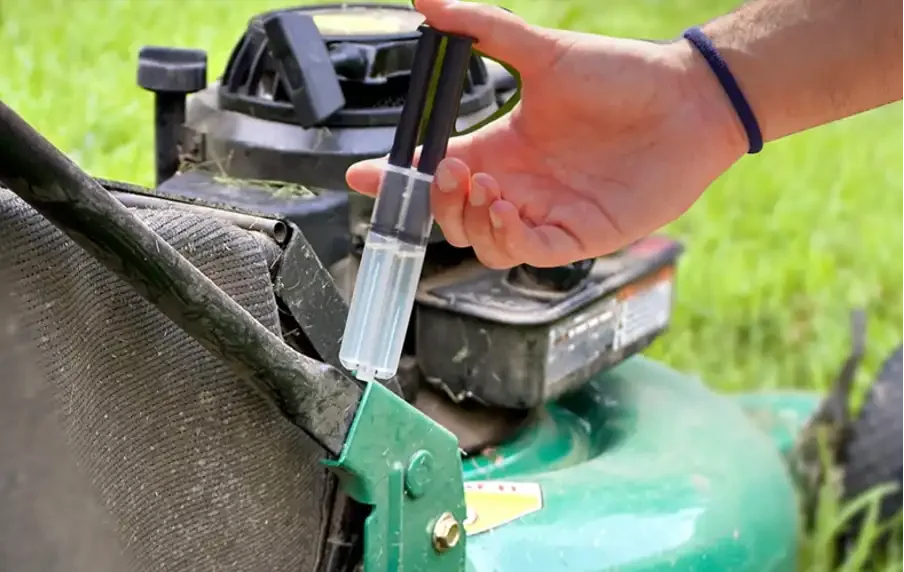
Remove the syringe from its packaging and open the protective cap. Dispense resin and hardener in a 1:1 ratio onto a suitable disposable surface, following the instructions, and mix thoroughly. Curing starts when the two components mix, not through air contact. Apply without delay, join the parts and replace the syringe cap.
Do not use bonded parts until the specified curing period is complete. At 23°C, Selsil Plastic Adhesive has a working time of 4–7 minutes and a total curing time of 13–16 hours. Ambient conditions can change these times; the application temperature must be 18–25°C.
Cleaning and Finishing
Accidental spills or test applications can be removed relatively easily before curing. Within minutes of application, acetone, isopropyl alcohol or methyl ethyl ketone can clean metal, rigid plastic, concrete, glass or ceramics. On fabric or wood, acetone and methyl ethyl ketone can be used, but isopropyl alcohol is not recommended.
Cured adhesive is harder to remove. Do not assume solvent soaking suits every metal, plastic, glass, porcelain or PVC surface. Choose a method compatible with the adhesive and surface care instructions, and test solvents on a hidden area first. Residues on fabric and wood can leave permanent damage.
Once fully dry, Selsil Plastic Adhesive can be sanded and painted to achieve the required shape and appearance. Use water-based paint rather than oil-based paint.
Mixing and Curing
Do not dilute or modify the adhesive with other materials. Curing begins when resin and hardener are mixed 1:1. The syringe makes equal dosing easier. Ensure the mixture is uniform before joining surfaces.
For repairs, never mix the resin and hardener directly on the application surface. Mix on a separate disposable surface and apply only the required amount. Excess cured adhesive is very difficult to remove, and small surfaces may not allow adequate mixing.
Selsil Plastic Adhesive cures at room temperature. Do not apply heat to speed it up unless explicitly permitted by the instructions. Curing time depends on ambient conditions.
Mix only as much resin and hardener as needed. Follow the instructions for application quantity and thickness. Mixing excessive amounts can generate heat; do not prepare large batches.