Tips for Applying Silicone Sealant
Silicone is widely used in renovation and construction at home or work to provide waterproofing and an attractive finish. Correct application makes a substantial difference to the quality of the result.
Silicone is adhesive like glue and can be difficult to control, making neat application challenging. Applied correctly, however, it is a strong adhesive and reliable insulating material that can prove invaluable.
How to apply Selsil Universal Silicone — watch the video
How Do You Apply Silicone?
What You Need:
- Sealant gun.
- Silicone tube.
- Masking tape.
- Sharp knife.
- A piece of kraft cardboard.
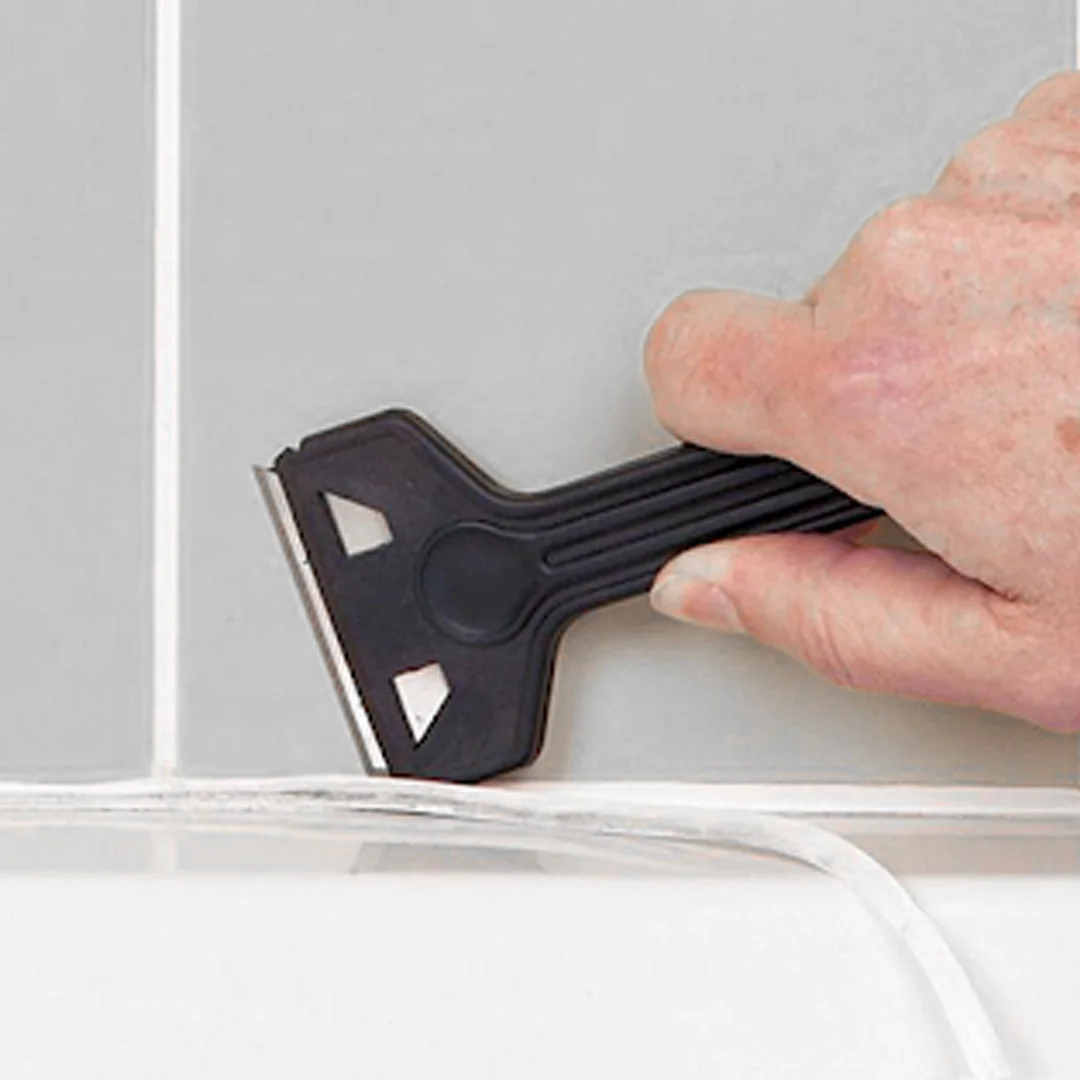
Several steps matter. First, clean the surface completely: it must be free of grease, dust, moisture and similar contaminants so the silicone can bond properly. Remove old silicone before cleaning the surface. New silicone will not adhere if old material is left behind. Removal can be difficult, so using a scraper or similar tool on the surface that will receive the silicone adhesive can help. These steps produce a durable, neat finish.
Points to Consider During Application
Remove all dirt and grease to ensure effective adhesion. Clean away any silicone residue completely. The area must be dry before application, as a wet surface can impair bonding. Keep it dry afterwards too: wetness can prevent effective drying. Apply masking tape on both sides to control the application area and keep silicone away from unwanted surfaces. These factors are essential to success.
Techniques for Different Surfaces
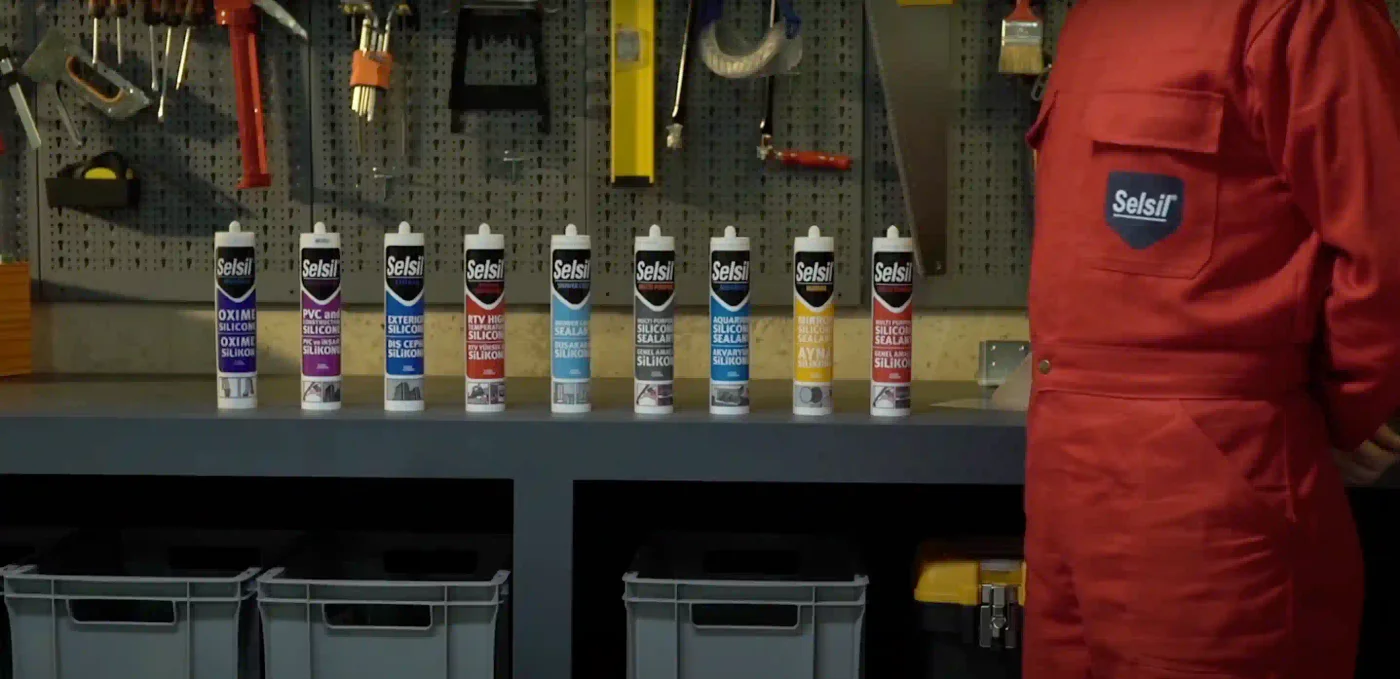
Choose a suitable product and method before starting. Different silicone adhesives suit different purposes. Clear silicone is a general option, while heat-resistant silicone suits high-temperature areas. Aquarium silicone is commonly used to build and repair aquariums.
Choose according to the surface. Every type has different properties, so selection matters to the result. Apply carefully with suitable methods for a sound, durable joint. Mirror silicone is used on mirrors, windows and frames. Foil-packed and cartridge silicones are dispensed with a gun for general applications.
Is There a Tool for Applying Silicone?
An application tool helps dispense clear silicone neatly. Neat application matters in construction and repairs and generally requires a sealant gun. It is designed to control dosage and application precisely. It makes placing silicone onto the required surface easy and helps achieve a successful result. The tool controls flow and allows it to be cut off as needed, minimising unwanted leakage and providing a neat finish.
How Long Should You Wait After Application? How Long Does Silicone Take to Dry?
Surface drying and full curing are separate stages. A full-curing time of 24 or 24–48 hours cannot be given for every application. Layer thickness, environmental conditions such as moisture, temperature and airflow, and the product type and formulation all affect the wait. Before exposing the joint to water or applying a load, follow the times and conditions in the selected product’s technical information.
Keep the joint free from touching, foot traffic and loads during curing. Most silicone sealants cannot be painted. If paint or another coating is needed, check that the product is suitable. Even with a compatible product, follow the full-curing and coating instructions.
How Do You Store Used Silicone?
Correct storage keeps silicone usable for a long time. Follow these tips:
- Store somewhere cool and dry. Excess heat and moisture can affect it. Products particularly sensitive to temperature changes should be kept in a plastic box or locked cupboard.
- Avoid direct sunlight, which can cause deterioration. Close the cap tightly on tubes or cartridges.
- Check the label and expiry date. Silicone generally has an expiry date, so inspect stored products regularly and use those still valid. Check opened tube labels to monitor the product’s condition.
Close the tube or cartridge cap tightly and follow the storage instructions. Moisture entering opened packaging can cause curing at the tip and inside. Clearing only the hardened tip does not guarantee that the remaining product is usable. Check the shelf life and condition of the material inside; do not use cured or deteriorated product.
You may also like: How to Remove Silicone