
What Is Spray Paint and How Do You Use It?
Spray paint is useful across a wide range of applications. Although often associated with hobbies, it also works well in home décor. Its practicality makes it a regular choice for visual updates and refurbishment. Easy to use and carry, it saves effort and can travel with you wherever your hobby projects take you.
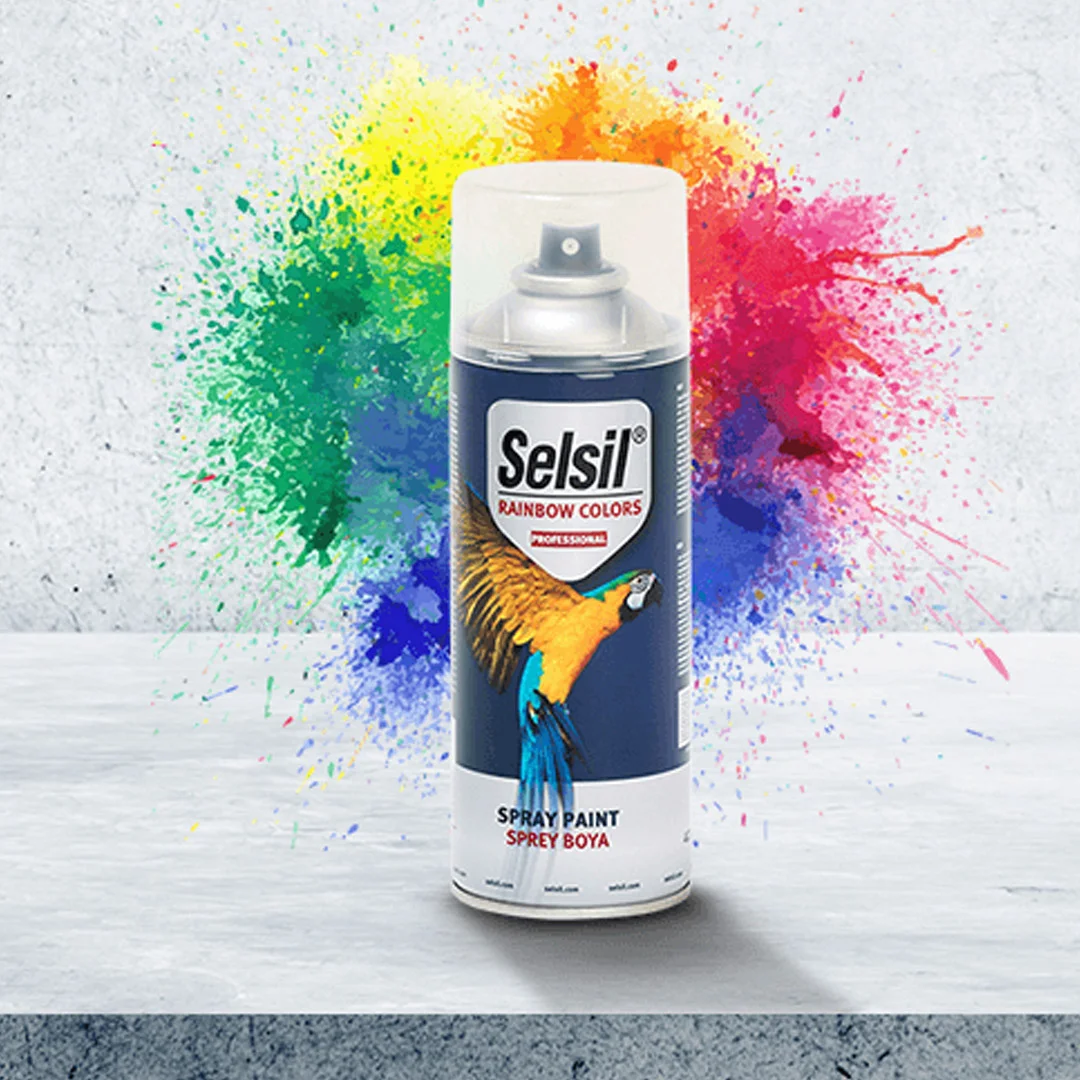
What Is Spray Paint and How Do You Use It? Expert Tips
Spray paints offer a broad palette of striking colours for distinctive projects. Graffiti may be the familiar example, but imagination reveals many other uses. Particularly popular for small objects, spray paint refreshes ageing possessions and brings back their original appeal. Give tired items a different colour to revive them and achieve the home décor you want. A new appearance lets you keep favourite objects while enjoying a change. Creative solutions also free you from familiar limitations.
Why not add touches that express your style? Patterns make bright, lively finishes easy to achieve. If an item you love has the wrong colour, spray paint may be the solution you have been seeking. Let your imagination roam and create something you can feel proud of.
Fast drying avoids long waits, and application is easier than with other paints. No thinning is needed: shake and spray. A firmly replaced cap keeps it usable for a long time. As an enjoyable hobby tool and effective decorating product, spray paints let your artistic side shine.
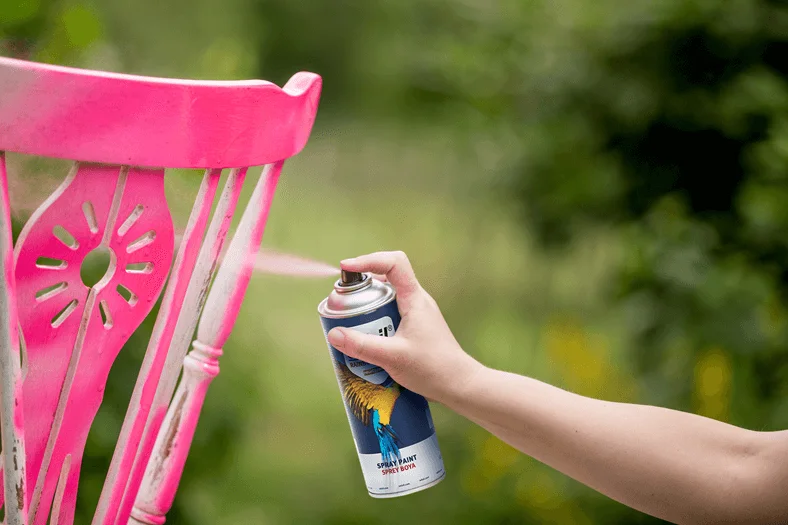
Types of Spray Paint
Spray painting requires attention to the application mechanism rather than the approach used with other paints. Aerosol paint is designed to disperse as a fine mist. Compared with traditional methods, particularly brushing, it is faster, more practical and gives a more even finish.
Commercial spray paints use compressed gas to break paint into fine droplets. Industrial spraying systems may use air compressors. Protect the surface, provide good ventilation and wear the protective equipment specified in the safety data sheet. Holding a cloth or T-shirt over your mouth and nose is not suitable respiratory protection against paint vapour and particles.
Synthetic Spray Paint
Synthetic spray paint suits indoor and outdoor use. High coverage makes it effective, while scratch and impact resistance are major reasons for choosing it. It is used for hobbies, crafts and painting objects, including metal, aluminium, stone, glass, wood and thick cardboard.
Acrylic Spray Paint
Acrylic Spray Paint is one of the most common types. Suitable indoors and outdoors, it works on metal and wood like synthetic paint, as well as glass, ceramics and plastic.
Fluorescent Spray Paint
Shake fluorescent spray paint for a long time before use. It suits indoor and outdoor applications. For good results, paint the surface white first.
Enamel Spray Paint
Designed for enamel surfaces, this paint effectively covers scratches. It suits enamel items such as shower trays, refrigerators and dishwashers. Ensure the surface is dry, grease-free and thoroughly clean, and sand lightly before application.
Metallic Spray Paint
Developed for metal surfaces such as cars, bicycles and shelving, it gives a metallic effect and suits those who enjoy metal colours.
Spray Primer
Primer improves paint adhesion. Apply it particularly to wood, glass and metal before acrylic or synthetic paint. It improves grip and gives better results when painting light colours over dark ones.
Spray Varnish
Spray varnishes come in matt and gloss versions. Common in hobbies, they are clear and resist fading and yellowing.
Effect Spray Paint
For indoor use, effect sprays last well and add high shine. Options include gold and copper effects.
Anodised-Effect Spray
Useful for its coverage, this spray suits aluminium, glass and metal. It conceals damage around shower enclosures, doors and windows, blending with the colour so repairs are unobtrusive. It creates a smooth, highly weather-resistant surface.
Glitter Spray Paint
Part of the acrylic paint group, glitter spray adds a three-dimensional effect. Dark backgrounds give better visual results. An acrylic varnish topcoat increases resistance to external influences.
Bumper Spray Paint
Used to cover damage on vehicle bumpers, it is generally black. Durability and high coverage preserve its appearance for a long time.
Wheel Spray Paint
Wheel paints and varnishes suit alloy and steel wheels, polishing, repairing and cleaning them. They resist petroleum and chemicals and protect against sunlight, retaining shine without fading for long-lasting use.
Marking Spray
Weather-resistant marking sprays do not attract dirt and resist surface wear. They are generally used outdoors on walls, brick and concrete.
Stainless-Steel-Effect Spray Paint
These fast-drying paints create a steel appearance and a thick layer. Suitable for ceramics, glass, metal and wood, they are often used on switches, chairs and shelves.
Heat-Resistant Spray Paints
Various heat-resistant grades are available. Choose according to the temperature resistance required by the application. They can be used safely wherever heat occurs, from motorcycles and stoves to lampshades and oven components.
Peelable Coating Spray
Common in automotive workshops but usable elsewhere, these sprays provide temporary coatings that can be easily removed when required.
Spray Paint for Plastic
Specially developed for direct application to plastic, these products give ideal results on all rigid and flexible plastic types.

How to Paint with Spray Paint
Choose a product matched to the area and purpose. For a professional result, work carefully and prepare the useful tools beforehand. Masking tape protects areas you do not want painted, saving later cleaning and removal.
Tape also helps create accurate lines for a professional appearance. Gloves suited to the product’s safety instructions protect your hands and save time removing paint afterwards. Choose respiratory protection according to the product’s safety information; an ordinary face mask may not provide sufficient protection against solvent vapour. Primer helps the selected colour appear clearer and as intended, preventing differences in shade. Newspaper and sheeting protect the surroundings from splashes. Prepare everything carefully before starting: missing a detail may become difficult to correct once painting begins and can make a simple job longer and harder.
How Do You Apply Spray Paint?
Ensure the area is well ventilated before starting. The product releases chemical odours during use, which need to disperse promptly to avoid discomfort.
Protect the surrounding area from overspray. Place small objects on a large piece of cardboard because spraying takes place from about 25–30 cm away. For large objects, keep a damp cloth nearby to deal promptly with drips before they dry.
Prepare the surface. Sand lightly if needed, then remove all dust and dirt. It must be dry. Water, grease and dust impair results and cause defects. Primer helps create a smoother surface, shows the true colour and improves durability.
Spread newspaper before spraying. Avoid concentrating paint in one spot, which creates a thicker, shinier patch and an uneven result. Light passes in lines give better results.
Before painting, test the spray paint on a suitable test surface. Check colour compatibility and spray behaviour. Decide whether primer is needed from the surface condition and paint instructions; use a compatible primer if required.
Thoroughly mask areas that should not receive paint. Spraying from a distance makes masking essential for control. Tape can also be arranged in patterns to create minimal lines.
Shake the can thoroughly for about 1 minute, then start spraying from 25–30 cm. Apply thin coats and allow them to dry. The first coat will not fully hide the primer or reveal the final colour intensity. After about half an hour, once the paint has dried thoroughly, apply the second coat. If coverage is still insufficient, let it dry and add a third.
Keep shaking the can regularly during painting. Overlap passes to prevent visible stripes. Paying attention to this with thin coats produces an even, streak-free finish. Preparation is not wasted time. Detailed work takes time but gives a result you can enjoy.
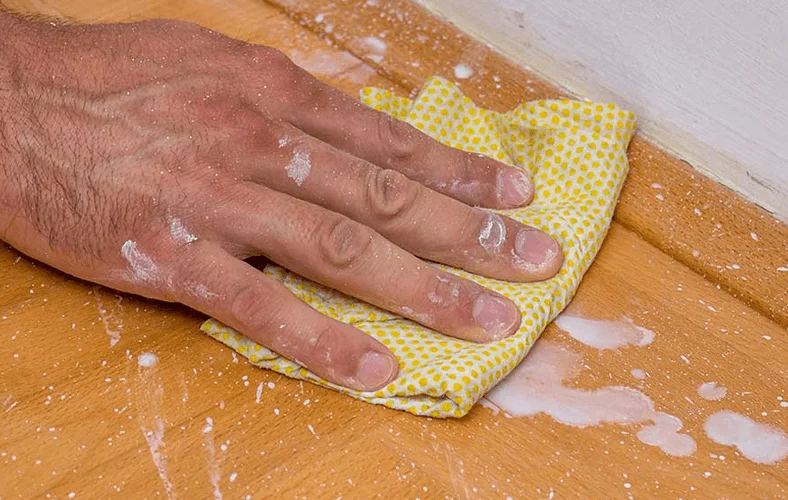
How to Clean Spray Paint
Accidental overspray can leave difficult stains on unwanted areas. Practical cleaning methods help remove them. Clean marks as soon as you see them during application: removal becomes much harder after drying. Keep a damp cloth nearby. Dried stains raise a more challenging removal question.
Choose a cleaner or paint remover suited to the paint type and surface. Household acidic liquids are not suitable for every paint and surface. Test a hidden area first and follow the instructions. Fresh stains and dried paint may need different methods. Do not scrape harshly or use arbitrary solvents that could damage the surface.
How to Remove Spray Paint from Clothing
Act promptly on fabric stains. Not all spray paints are water-based. Choose a method compatible with paint and fabric care instructions and test a hidden area first. Clean washable fabric as directed. Dried paint may be permanent; do not use arbitrary alcohol or dry-cleaning solvents.
How to Remove Spray Paint from Glass
Check compatibility with the glass, any coating and the cleaner. Test a hidden area first. Do not use arbitrary acetone, alcohol, rust remover or petrol on coated or delicate glass. Do not clean vehicle paint with petrol: choose an automotive-finish-compatible product or professional help.
How to Remove Spray Paint from Walls
Choose a paint stripper compatible with the wall and existing paint. Diluting an acidic solution with water does not guarantee protection against damage. Test a hidden area, follow the instructions and seek professional help if needed.
Enjoy hobbies and practical projects with spray paint. Following each step correctly avoids messy mishaps and frustrating results. Prepare for excellent finishes, and always keep useful cleaning products and a microfibre cloth nearby for accidents.