
What Is Corrosion? Causes and Types
Corrosion is the process by which metals lose their metallic properties through chemical or electrochemical interaction with their surroundings. Environmental conditions cause materials to deteriorate, creating serious problems in engineering and industry. Water, acids, salts and moisture accelerate this deterioration, leading to oxidation, cracking and wear on metal surfaces. By weakening structures, corrosion can cause safety problems and financial losses.
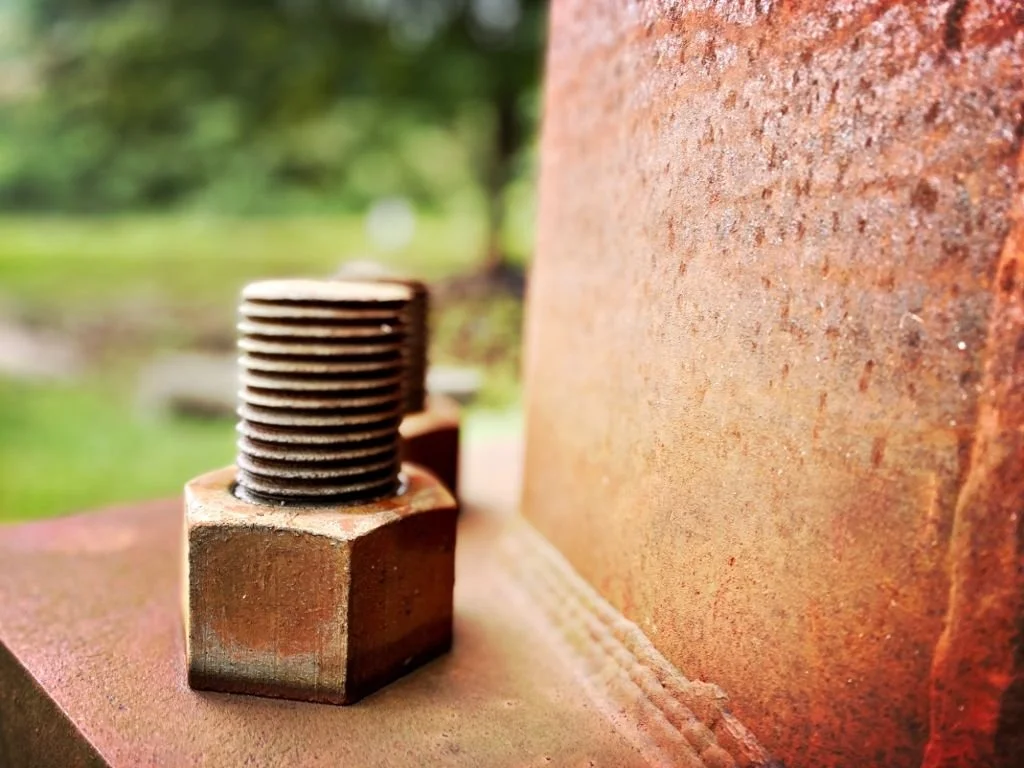
What Is Corrosion?
What Damage Does Corrosion Cause?
Corrosion creates significant problems through its adverse effects on human health and its contribution to environmental pollution. Deterioration of metal-based materials reduces structural strength and can create dangerous conditions. It also causes financial losses and wastes resources.
How Does Corrosion Develop?
The most common cause of metal corrosion is an electrochemical reaction that occurs when the metal interacts with conductive liquids. Moisture and substances such as salt on the surface accelerate the process. The reaction involves electron transfer between two regions with different electrochemical potentials, called the anode and cathode. At the anode, metal atoms release electrons and become ions; electrons are accepted at the cathode. This movement of electrons increases the rate of metal deterioration. Metal ions produced in the reaction can combine with other elements in the environment to form compounds. Some accumulate on the metal surface, creating a rust-like appearance. The deterioration also reduces structural strength and gradually lowers the material’s resistance.
What Types of Corrosion Are There?
Corrosion is a chemical and physical process in which environmental factors cause materials to deteriorate. Its types differ according to the surrounding conditions, how it develops and how it damages the material. One of the most common is uniform corrosion. It affects the whole surface at the same rate and usually begins when protective layers covering the metal deteriorate. Build-up across the metal reduces the material’s resistance.
Another important type is electrochemical corrosion. When different metals are present together, the more reactive metal releases electrons and corrodes. Pitting corrosion creates deep depressions or holes in the metal surface and is usually localised. Crevice corrosion develops in gaps between surfaces and is often found around seals.
Selective corrosion occurs when some metal components or alloy constituents corrode more than others. Intergranular corrosion develops at the boundaries within the metal’s crystal structure and can adversely affect its physical properties. Finally, erosion corrosion results from the wearing action of liquids on metal surfaces, usually involving fluids moving at high speed.
How Can Corrosion Be Prevented?
Several measures can prevent corrosion. Start by choosing suitable materials, such as corrosion-resistant metals or alloys. Adding alloying elements can improve resistance, and heat treatment can strengthen the metal’s internal structure. Good design reduces water accumulation and moisture retention. Cathodic and anodic protection provide electrochemical protection, while inhibitors reduce the effects of a corrosive environment. Surface coatings protect the metal by preventing contact with external factors. Options include paint, galvanising and chrome plating.
Zinc spray is another effective protective method. Selsil Zinc Spray protects all metal surfaces against corrosion and oxidation. It quickly forms a very thin, protective, adherent layer that withstands temperatures up to 300°C. It provides an effective rust-preventing base coat and suits any area where metal needs protection against corrosion.