What Is a Silicone Sealant Gun?
Silicone is a plastic-based adhesive supplied as a liquid, with a gel-like appearance, consistency and flow. It is kept in a plunger-operated syringe for easy application. Silicones differ chemically from organic polymer-based adhesives. Because they contain no solvents, they do not harm the environment.
Silicone is highly flexible and retains that flexibility and stability after drying. It is ideal for bonds requiring movement. It resists high and low temperatures, chemicals and weather, making it particularly popular in construction.
Industrial silicone guns differ from those used for hobbies. Industrial silicone products, for example, take much longer to cure, sometimes over 24 hours. Curing is the process by which silicone dries.
Silicone is ideal for repairing cracks and is known for blocking air and especially water. It is therefore essential around windows and in aquarium construction. It can be applied to cracks and other repairs where leaks need addressing.
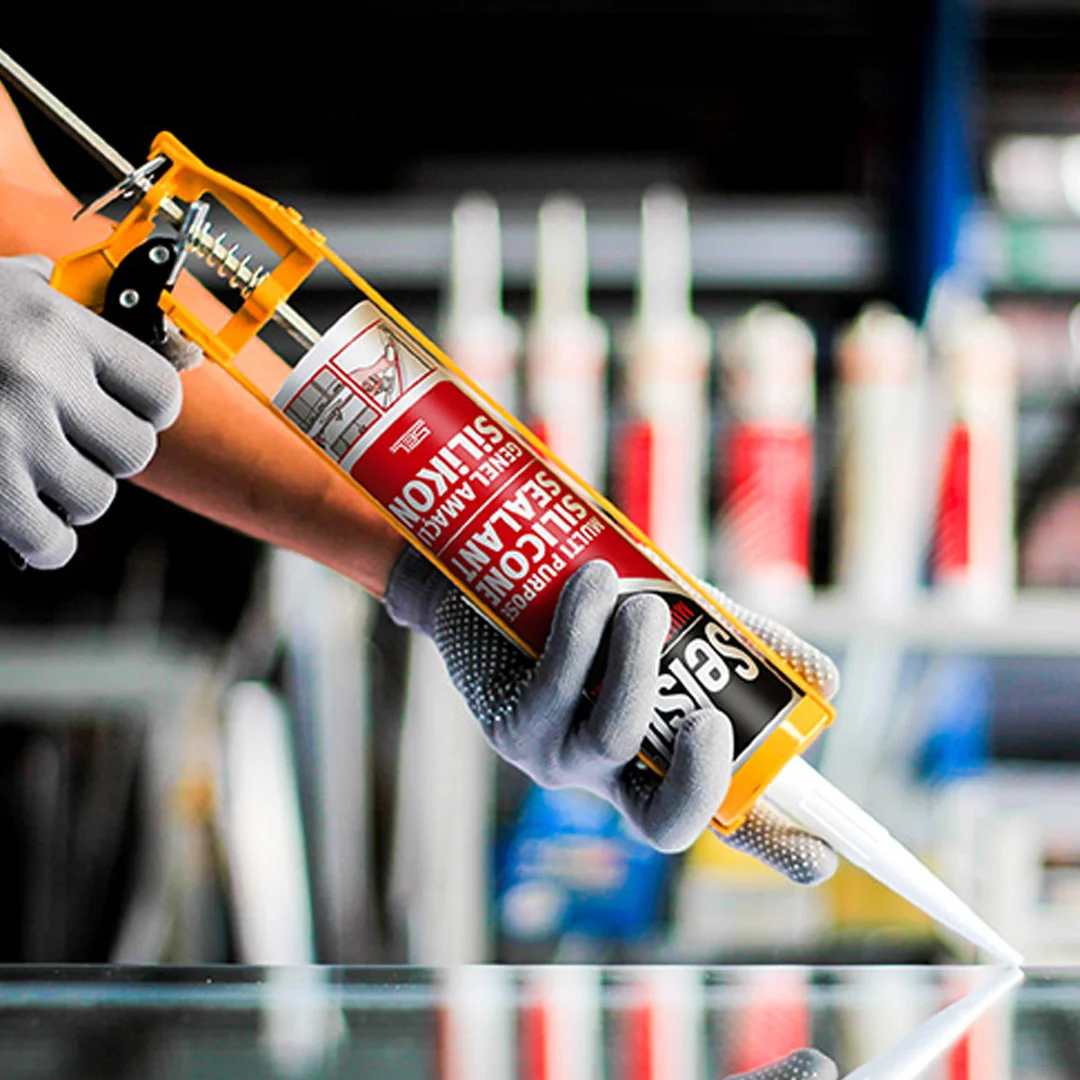
Industrial silicones are generally applied with unheated cartridge guns. The silicone is loaded in its own syringe or cartridge packaging. Many products come in standard-sized packs compatible with these guns.
How to Use a Silicone Sealant Gun
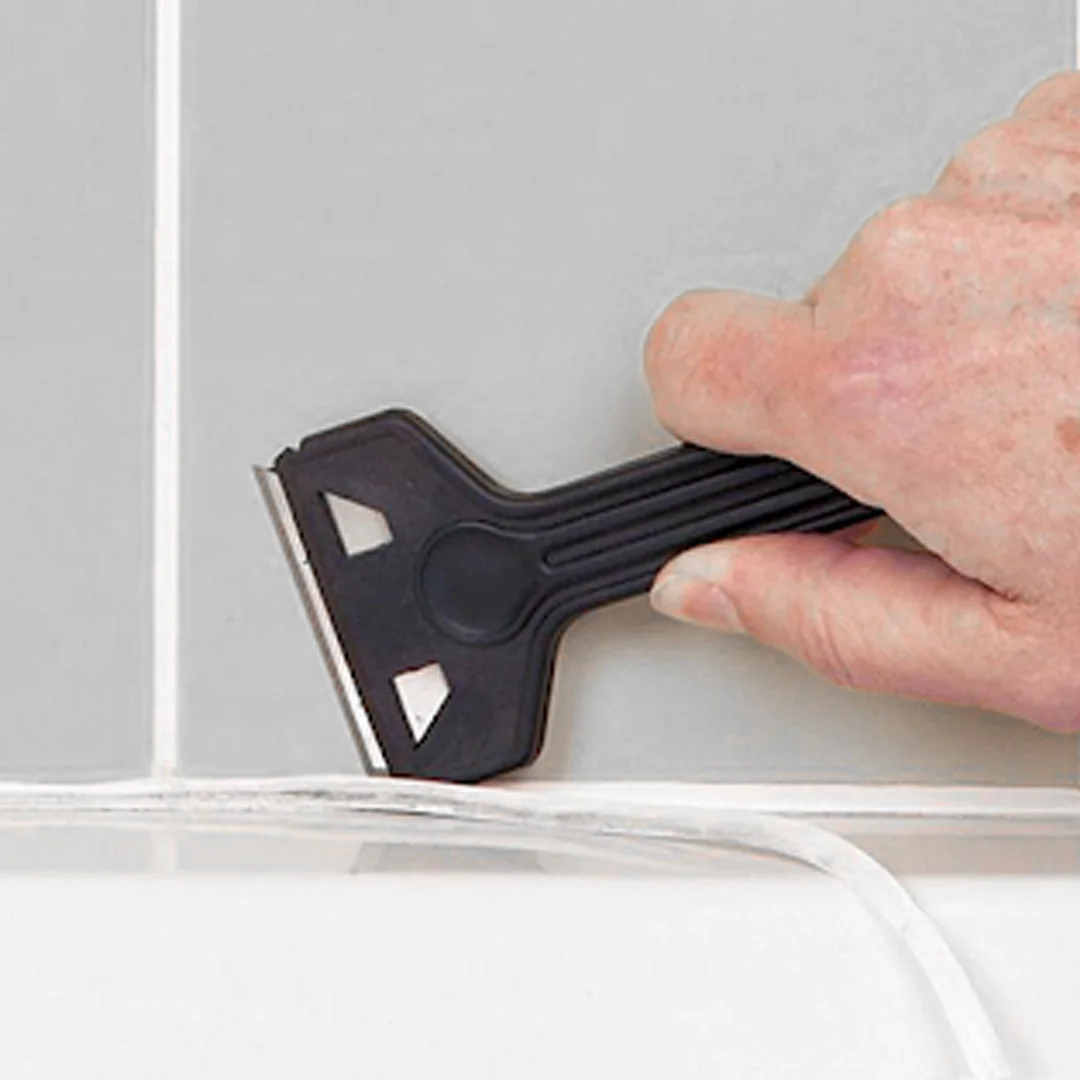
You can easily repair cracks at home with a silicone tube and an unheated gun. First scrape away old silicone with a sharp utility knife. Once the surface is clear, wipe it with an alcohol-dampened cloth to remove remaining grease and dust.
Pull back the metal push rod before loading the cartridge. Open the cartridge tip and nozzle according to the instructions; do not pierce the bottom. Seat the cartridge and move the rod up to its base plunger. Squeeze the trigger steadily to apply silicone.
Sealant guns make application easy and reliable, preventing dripping and leakage. They deliver a controlled amount without excess or insufficient flow. Too little flow would slow application, allowing the silicone to dry and substantially reduce adhesion.
Silicones applied with unheated guns take much longer to dry than hot-melt adhesives, but provide much greater bonding strength and durability. They are therefore more common in industry. Many types are available, differing in drying time, application method and compatible surfaces.
Options include general-purpose silicones for almost any surface, products that dry completely clear, high-temperature grades and formulations specifically for glass.
Cartridge shelf life depends on unopened packaging and storage conditions. Do not assume an opened cartridge remains usable for 12 months. One-component silicone cures with atmospheric moisture; follow the instructions for use and storage.
Silicones resist moisture and weather and prevent mould, making them ideal in enclosed kitchens and bathrooms or outdoors.
Hot Glue Guns
Tools often called “hot silicone guns” in hobby work usually use thermoplastic hot-melt adhesive sticks. These differ from silicone sealants. The solid sticks melt with the gun’s heat and solidify as they cool. Their uses depend on chemistry and product instructions.
Melted adhesive in these guns can be very hot: do not touch it with bare skin. The sticks differ from silicone sealants. Solidification generally happens through cooling and takes a product-dependent time. Join parts within the stick’s stated open working time.
Fast cooling and easy application make hot-melt adhesive popular. Shelf life and solvent content depend on the product. Lack of odour does not mean environmental harmlessness; follow safety and waste instructions.
Disposing of silicone application waste is similarly simple. Cleaning after solvent-based and other adhesives involves various steps that can sometimes be laborious.
Because hot-melt adhesive is applied molten, it can damage heat-sensitive surfaces. Check the application temperature for the stick and surface. Sensitive materials may need a different compatible adhesive; cartridge silicone is not automatically an alternative for the same use.
Resistance to moisture, UV, chemicals and temperature depends on formulation. Not every stick suits outdoor or damp areas, and mould prevention and flexibility are not universal properties. Check product information for dimensional changes during solidification and gap-filling suitability. A single percentage of volume loss likewise cannot apply to all solvent-containing adhesives.
Hot-melt adhesives can be used for models and artificial flower arrangements. Specialist industrial formulations exist for packaging, hygiene products and some electronics assembly. Not every stick suits all these tasks; choose according to its stated uses and equipment instructions.
What to Look for in Silicone Adhesives
Distinguish density from viscosity when choosing adhesives and sealants. Density is mass per unit volume; viscosity describes resistance to flow. High-viscosity products may spread less and stay within small application areas. This value alone does not determine drying speed or bond strength. Check technical values for temperature and application method.
Flow behaviour affects ease of application in silicone adhesives and sealants. A more fluid product does not necessarily bond less strongly. Assess adhesion and suitability alongside the surface, chemistry, joint dimensions and relevant technical values.
You may also like: How to Remove Silicone