What to Look for When Choosing Expanding Foam
Expanding foam is widely used with building materials. There are several critical points to consider before buying it. First, choose a high-quality foam for lasting use and durable sealing. Also make sure it suits the material it will be applied to.
Every material has specific needs, and the wrong foam can cause damage. Ease of application and drying time also matter. A quick-drying foam saves time and helps you finish promptly. Finally, consider sealing performance: expanding foam fills gaps between materials to seal them. Choosing correctly therefore affects the quality and durability of the project.
What Is Expanding Foam?
Also called PU foam or polyurethane foam, expanding foam is widely used in construction and industry. It is known for its insulation and adhesion properties.
It quickly spreads over the application surface, hardens and forms foam, joining different materials. Professional application creates a strong, durable bond and effective insulation. Expanding foam is generally used to join construction materials, fill gaps and provide sound insulation. It also fills cracks and gaps to prevent water, dust and air leakage. Widely used in construction and furniture manufacture, it is valued for durability and versatility. Winter expanding foam can be used for bonding, installation, filling and insulation on different surfaces.
How Do You Use Expanding Foam, and How Long Does It Take to Dry?
Expanding foam provides insulation, including sound insulation. It adheres to the surface for high-quality insulating results. Clean the surface and remove dust before use.
A smooth, dry surface helps the foam adhere effectively. Apply according to the instructions. After application, expanding foam expands and cures. Drying time varies with surrounding conditions and foam thickness. Surface drying, readiness for cutting and full curing take different amounts of time; follow the selected product’s technical instructions. Temperature, moisture and weather need attention for rapid drying. Correct use and sufficient drying time provide high-quality insulation between surfaces.
Why Use Polyurethane Foam?
Polyurethane foam offers many benefits. It is durable, lightweight and insulating. Choose a professional foam before applying it. Polyurethane foam can be used decoratively and protects surfaces. Waterproofing and sound insulation give it a broad range of uses, helping applications last longer and work more efficiently.
Types and Properties of Expanding Foam
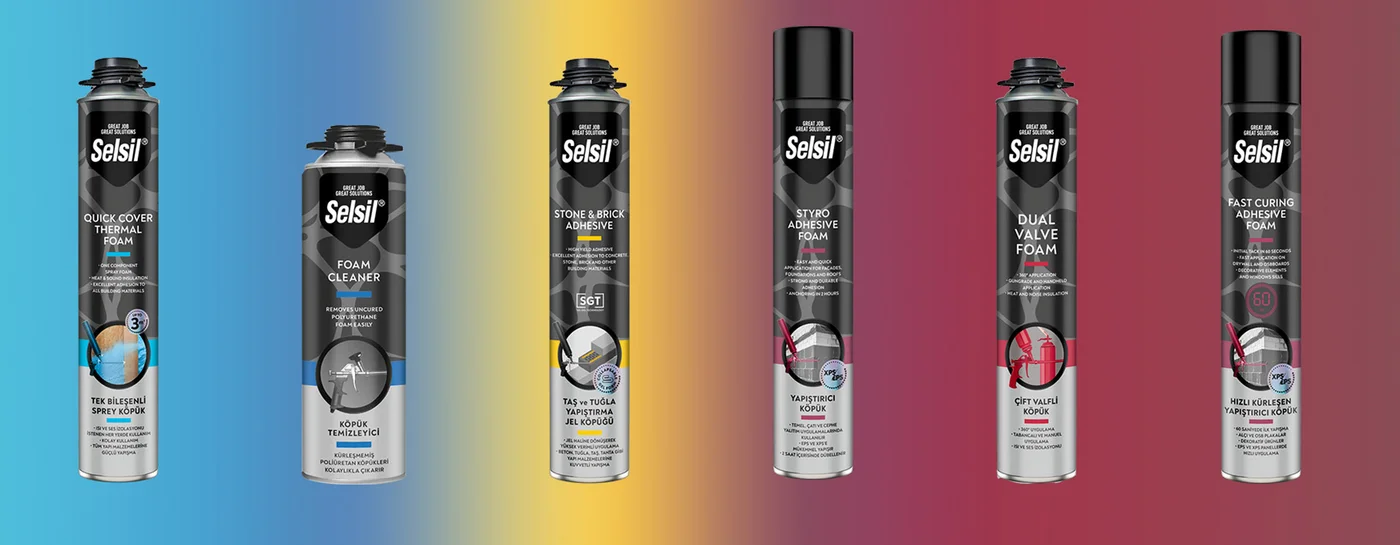
Expanding foams, also known as polyurethane, PU or gel foams, are widely used for bonding, insulation and filling. Different properties suit different applications. Fire-resistant foams, for example, protect buildings against fire.
They contain flame-retardant ingredients that limit fire spread and provide fire resistance. Foam cleaners are an important aid for easily removing residue left during foam work. Single-component foams can be applied directly and dry conveniently. Properties vary according to intended use and needs, so choosing the right type is essential to the result. Fire-resistant foams matter to fire safety, while single-component foams speed up installation through easy application.
Gel Foam
Gel foam is a polyurethane adhesive foam that hardens with moisture in the air. This single-component product is designed for building materials such as brick, stone and concrete. It is easy to use and bonds quickly. Its gel form does not expand, making it more economical and convenient than mortar applications. It also withstands all weather conditions.
Foam Cleaner
Foam cleaner removes fresh polyurethane foam from spray guns. It prevents foam from hardening inside the guns after installation and cleans surfaces, clothing, and door and window trims. Selsil Foam Cleanser can remove the durable polyurethane foam used in installation from various surfaces as well as equipment. This allows cleaner, more efficient work.
Single-Component Foam
Single-component foam is a high-quality polyurethane insulation foam. It provides thermal and sound insulation over large areas quickly. It is used on uneven surfaces and hard-to-reach areas that traditional insulation materials cannot easily cover. Its single-component format makes application easier and saves time. Polyurethane also provides adequate insulation performance. Single-component foam is an effective way to save energy and improve comfort.
Fire-Resistant Foam
Fire-resistant foam is a professional product used in fire protection. This polyurethane foam provides an excellent solution for fire protection needs. Moisture curing allows a single-component format. Its semi-rigid structure provides firm filling while accommodating vibration and joint movement.
Fire-resistant foam adheres excellently to wood, brick, stone, cement, plaster, asbestos, plasterboard and metal. It also acts as a seal against smoke. It offers 4 hours of fire resistance and fills all kinds of gaps for excellent insulation. It can be used indoors and outdoors and bonds excellently to construction materials. Fire-resistant foam is an essential material for fire safety.
Frequently Asked Questions
What should you consider when choosing expanding foam?
Consider quality, surface compatibility, drying time and sealing performance. The wrong product can damage materials and reduce insulation performance.
How do you use expanding foam?
The surface must be clean, dry and free of dust. Apply foam into the gap with a gun or can. Contact with air makes it expand and harden.
How many hours does expanding foam take to dry?
Surface drying and full curing are different. Timing depends on the product, application thickness, temperature and moisture. Check the times and conditions in the technical information before cutting or proceeding to the next stage.
What are the benefits of polyurethane foam?
It is lightweight, durable, waterproof and sound-insulating. Strong adhesion provides lasting use. It also offers an effective solution for energy savings and comfort.
What is single-component expanding foam?
It is an easy-to-use polyurethane foam that cures with atmospheric moisture after application. It is quick to apply and provides thermal and sound insulation in a short time.
What does fire-resistant expanding foam do?
It contains special flame-retardant ingredients and protects buildings against fire. It provides up to 4 hours of fire resistance and prevents smoke leakage.
What is gel foam, and where is it used?
Gel foam is a non-expanding polyurethane foam that provides economical, rapid bonding. It offers a practical solution for brick, concrete and stone and can be used in all weather conditions.
Why should you use foam cleaner?
It removes fresh polyurethane residue from guns and surfaces. By preventing hardening, it extends equipment life and helps you finish more cleanly.
Where is expanding foam used?
- Door and window installation.
- Crack and gap filling.
- Sound and thermal insulation.
- Construction and furniture manufacture.
- Preventing water, dust and air leakage.
You may also like: How to Apply Polyurethane Foam