Blog

Explore our articles on choosing products, application and maintenance.

All Articles

Why Does Bathroom Silicone Go Mouldy? — cover image

Why Does Bathroom Silicone Go Mouldy?

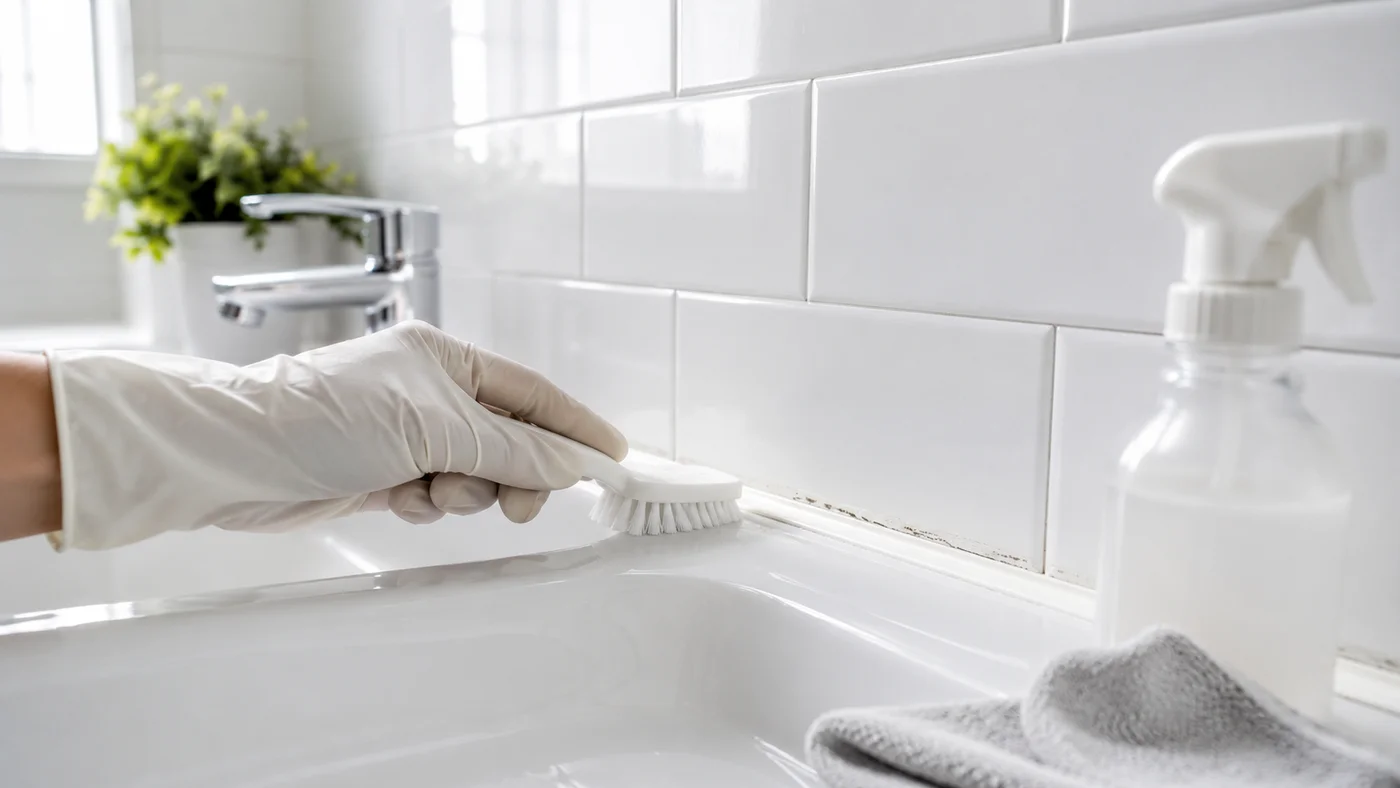
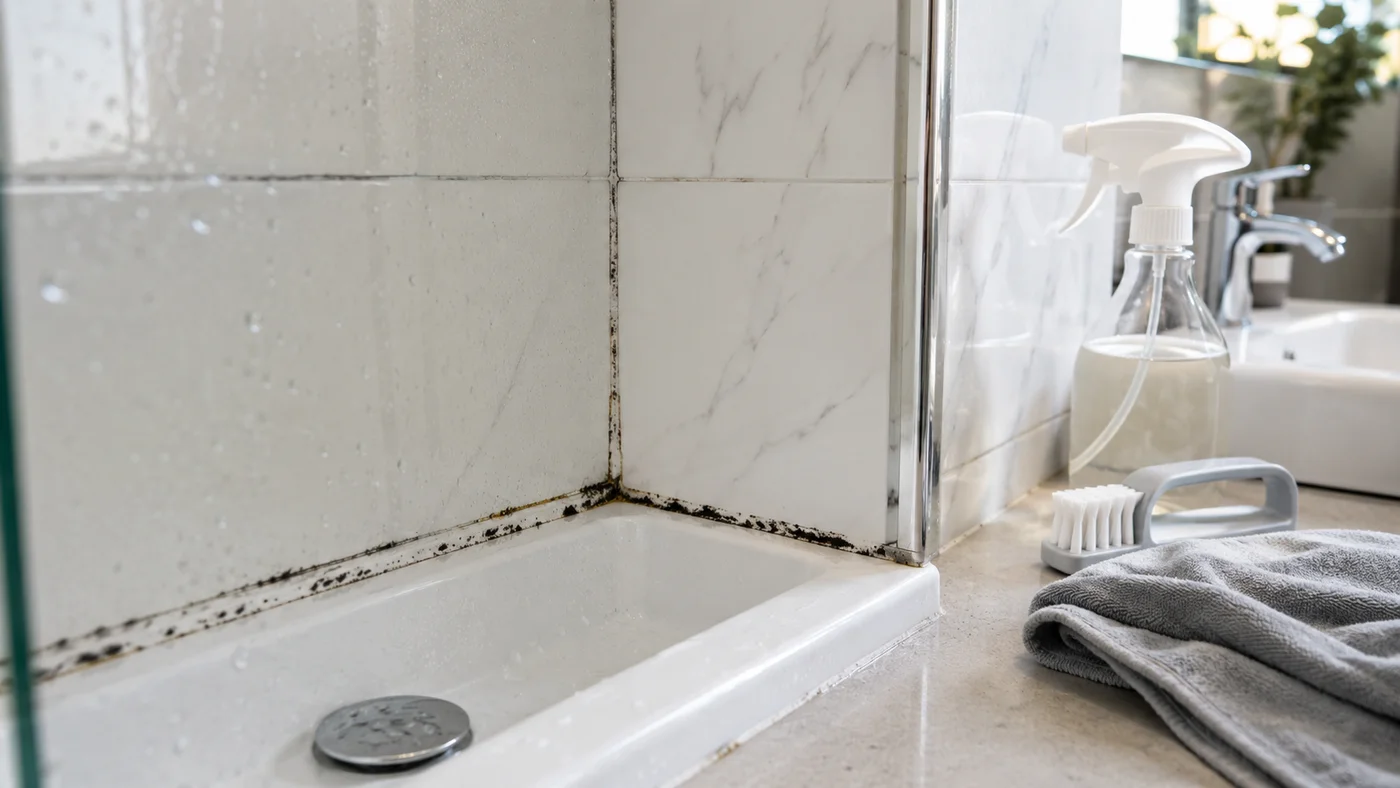
Mould develops on bathroom silicone when moisture remains on the surface for a long time and cleaning residue builds up around the edges. Shower enclosures, baths, basins and tile joints are vulnerable because they are frequently in contact with water. The first black spots may look small, but they gradually spread along the joint, cause odours and spoil its clean appearance. Dirt is only part of the problem: airflow, drying habits, product choice and ageing material all play a role. Understanding the causes makes it easier to reduce staining and delay its return. A simple home maintenance routine keeps the bathroom fresher and helps the silicone joint last longer.

Read article
Can Silicone Be Used on Building Facades? — cover image

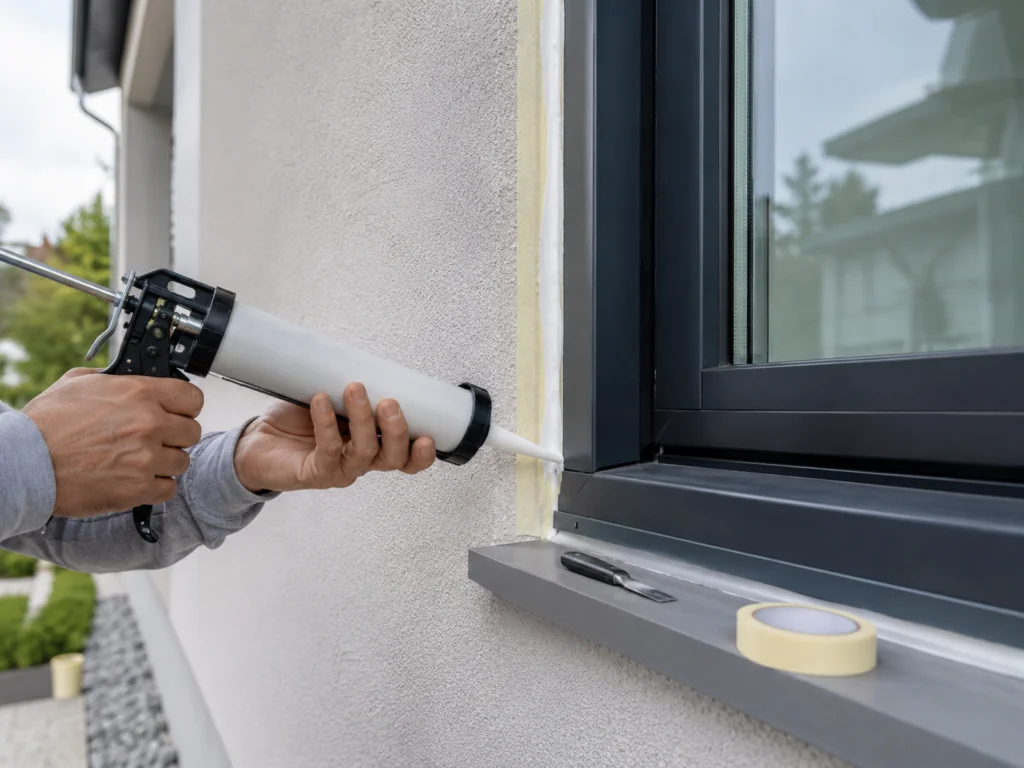
Can Silicone Be Used on Building Facades?

Silicone can be used on building facades, but not every product suits outdoor conditions. Rain, sunlight, wind, frost, temperature changes and surface movement place demands on exterior applications. A product that works well indoors may quickly yellow, crack or lose adhesion outside. Lasting sealing requires an outdoor product with high UV resistance and flexibility. Facade silicone can be used around windows, door frames, glazing, facade joints and connections between building elements. Its purpose is to reduce water entry, close air gaps and create a neater joint. Surface preparation, application timing and drying time matter as much as the product itself.

Read article
10 Essential Chemical Products for Small Home Repairs — cover image

10 Essential Chemical Products for Small Home Repairs

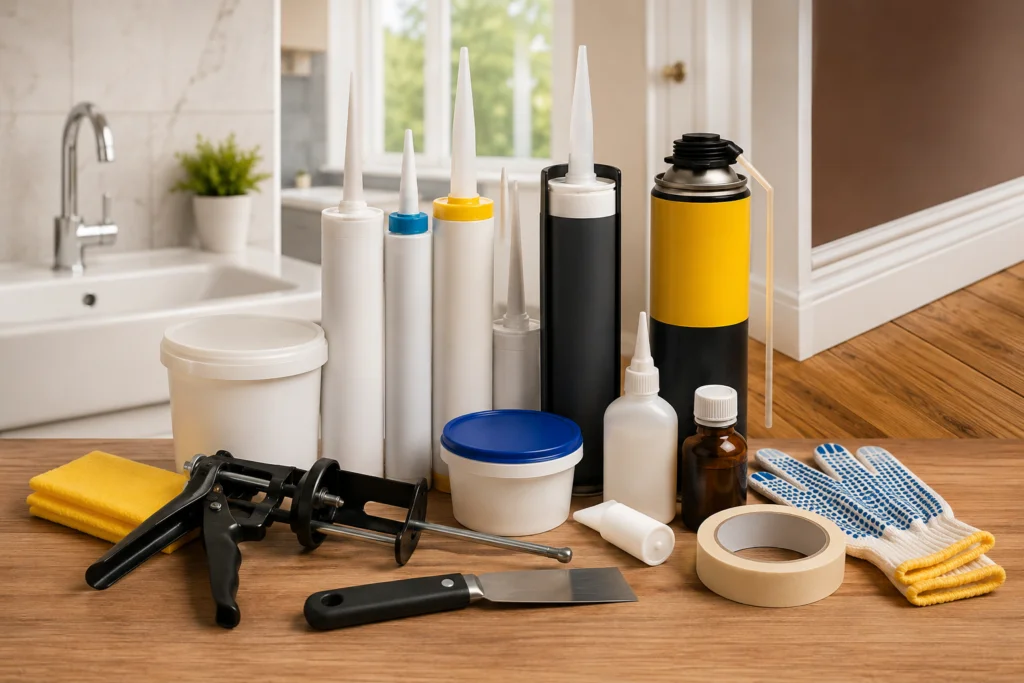
Essential chemical products for small home repairs are practical materials for sealing cracks, waterproofing, bonding, filling, preparing surfaces and minor installation work. Choosing the right product makes jobs such as loose tile edges, gaps around door trim, detached skirting boards, leaking basin edges or fine wall cracks easier and cleaner. Each product has a different job: silicone seals against water, acrylic sealant fills paintable cracks, mounting adhesive holds heavy parts, foam fills gaps and fast-setting glue repairs small breaks.

Read article
Which Adhesive Should You Use for Polystyrene and Skirting Boards? — cover image

Which Adhesive Should You Use for Polystyrene and Skirting Boards?

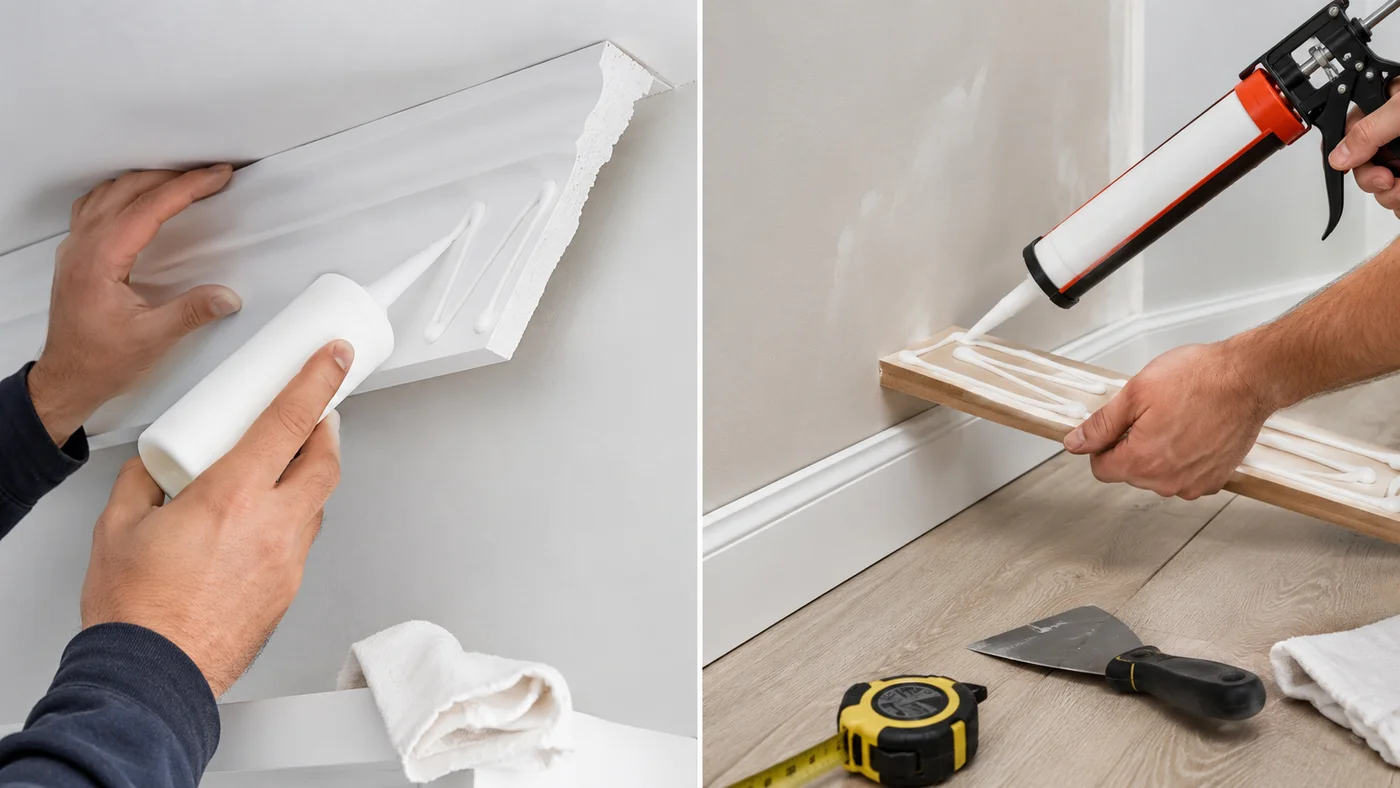
Choose adhesive for polystyrene and skirting boards according to the material’s weight and the surface. Lightweight, delicate polystyrene needs a solvent-free acrylic adhesive that will not dissolve it. Skirting boards need a grab adhesive that grips the wall firmly, fills gaps and holds decorative pieces for the long term. Acrylic products suit lightweight polystyrene trim, ceiling decorations and decorative foam; MDF, PVC and wooden skirting boards call for stronger mounting products. Choose a polystyrene-compatible acrylic adhesive for foam and a grab adhesive matched to the surface and weight for skirting. Acrylic options such as Selsil Polystyrene & Skirting Board Adhesive are examples for polystyrene and lightweight decorative items. Stronger fixing tasks can use products from the grab adhesive range.

Read article
Spray Adhesive or Grab Adhesive? — cover image

Spray Adhesive or Grab Adhesive?

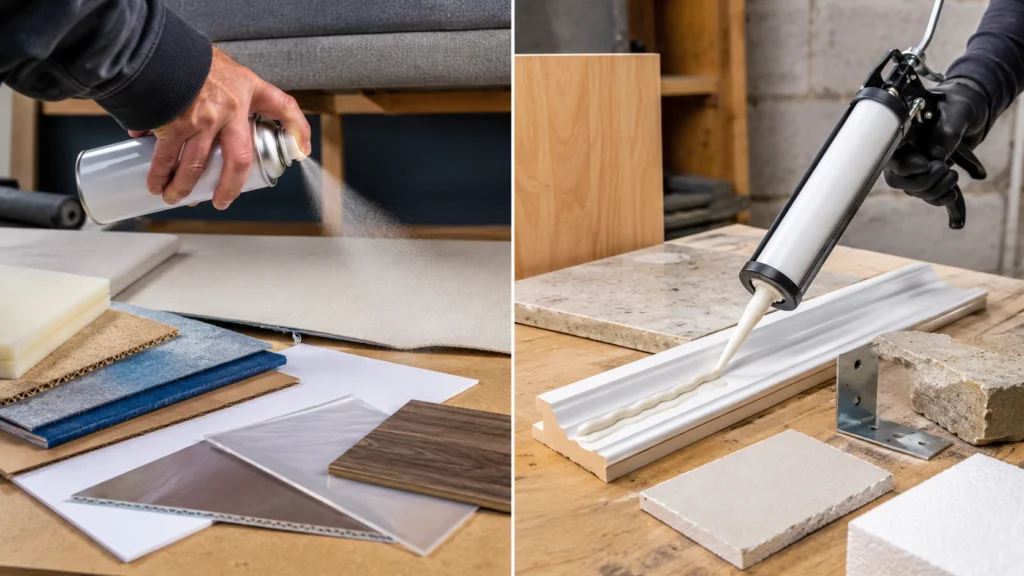
Spray adhesive is chosen for practical bonding over large areas of fabric, felt, foam, cardboard, leather, paper, thin plastic and decorative coverings. It forms a fine mist and thin layer that grips light materials quickly. Grab adhesive offers stronger hold for skirting boards, panels, wood, stone, ceramics, metal, plasterboard, polystyrene and building components, applied from a cartridge, tube or gun. Choose spray adhesive for light materials and broad areas, and grab adhesive for heavy items requiring permanent fixing.

Read article
Why Does Spray Paint Run? Tips for a Smooth Finish — cover image

Why Does Spray Paint Run? Tips for a Smooth Finish

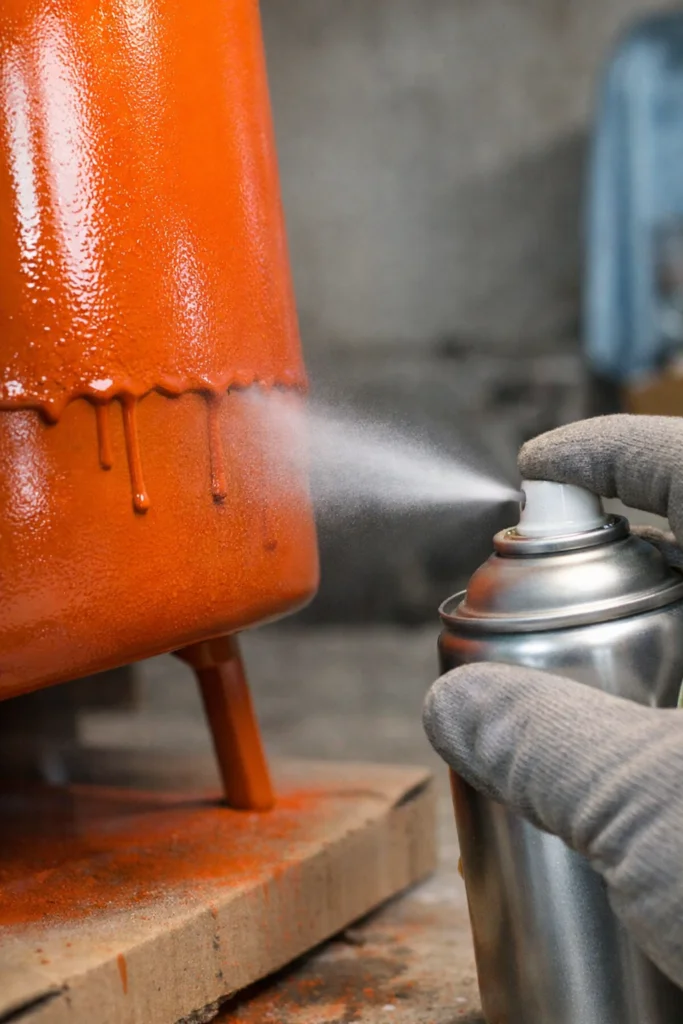
Paint runs are common when refreshing furniture, metal accessories, plant pots, shelves and decorative objects. They may seem minor, but the trails they leave make careful work look untidy. Most runs have a few basic causes: thick coats, spraying too close, humidity, incomplete surface preparation and insufficient time between coats. Technical guides likewise recommend thin coats, a steady distance, continuous movement and suitable weather for a smooth finish.

Read article
What Happens If You Apply Too Much Expanding Foam? — cover image

What Happens If You Apply Too Much Expanding Foam?

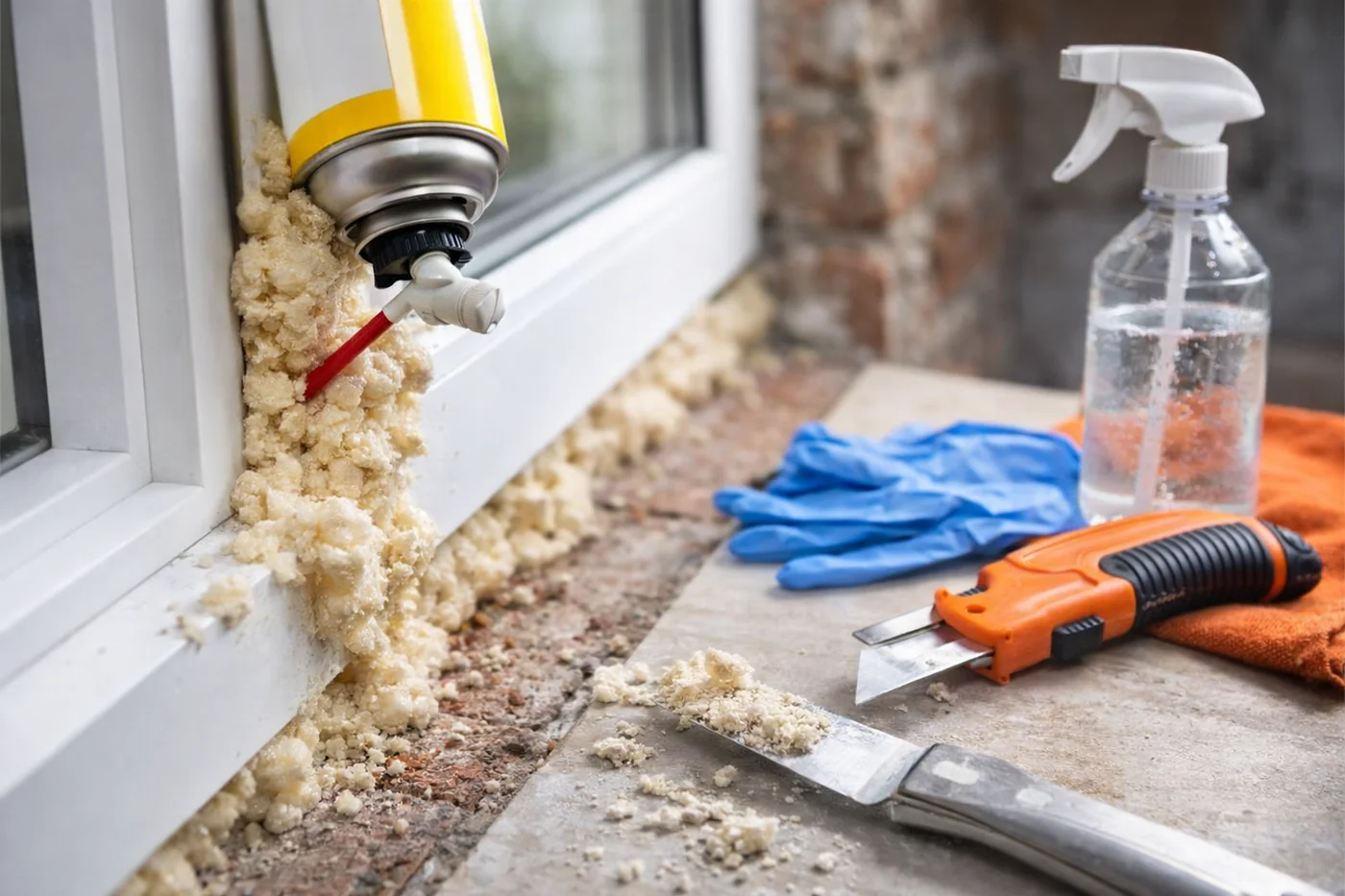
Expanding foam is a practical material widely used around door frames and windows, at service penetrations and for filling gaps. Applying too much in an effort to work quickly can turn a small overflow into a bigger problem. The excess expands as it dries, marks surrounding areas, sticks to finishes and can exert enough pressure to stress a frame. The good news is that cleaning is easier if you notice the problem early. Dried foam can also be dealt with, but it needs a different method.

Read article